
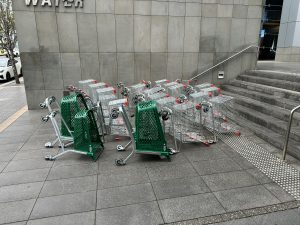
Abandoned Shopping Trolleys Need Better Technology
Abandoned Shopping Trolleys Need Better Technology By Domenic Ammendolia, Founder and CEO, TDMN Pty Ltd Latrobe City Council’s new Community Amenity Local Law has put
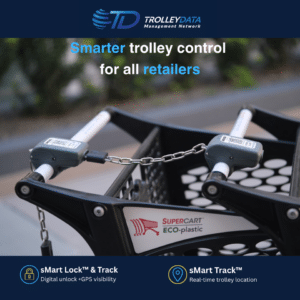
Smarter Trolley Control for Retailers
Smarter Trolley Control for Retailers Retailers are under increasing pressure to reduce trolley loss, improve collection efficiency and provide customers with a more convenient shopping
The hidden labour bill of poor trolley visibility: hours you pay for but don’t see
Poor trolley visibility inflates labour costs via overtime, extra shifts, and contractors. Real-time tracking systems like sMart Track reduce losses, improve efficiency, and lower environmental impact.
Predictable trolley control: a practical operating model
Predictable trolley control via centralised systems like sMart Track and sMart Lock enhances visibility, accountability, reduces losses, labour waste, meets compliance, lowers environmental impact, and improves customer experience.

Predictable trolley control: the operational model retailers can scale
Predictable trolley control uses real-time tracking, governance, SLAs, and exception workflows to cut trolley loss by 40%, reduce labor costs, improve compliance, and lower CO2 emissions with scalable rollout.
Trolley control is a systems issue: replace isolated fixes with predictable visibility
Effective trolley control requires a unified system offering real-time visibility, replacing isolated fixes to ensure predictable operations, compliance, reduced costs, and environmental sustainability in retail.

Digital trolley access: what operators need to know before making the switch
Digital trolley access reduces trolley loss, labor costs, and improves compliance through real-time tracking. Proper assessment, pilot testing, and maintenance ensure smooth rollout and sustainability benefits.
Building a measurable multi-site trolley control model
This guide outlines a multi-site trolley control model featuring baseline audits, KPIs, governance, and advanced tech like sMart Track™ for real-time tracking, boosting accountability, reducing losses, labor costs, and environmental impact.
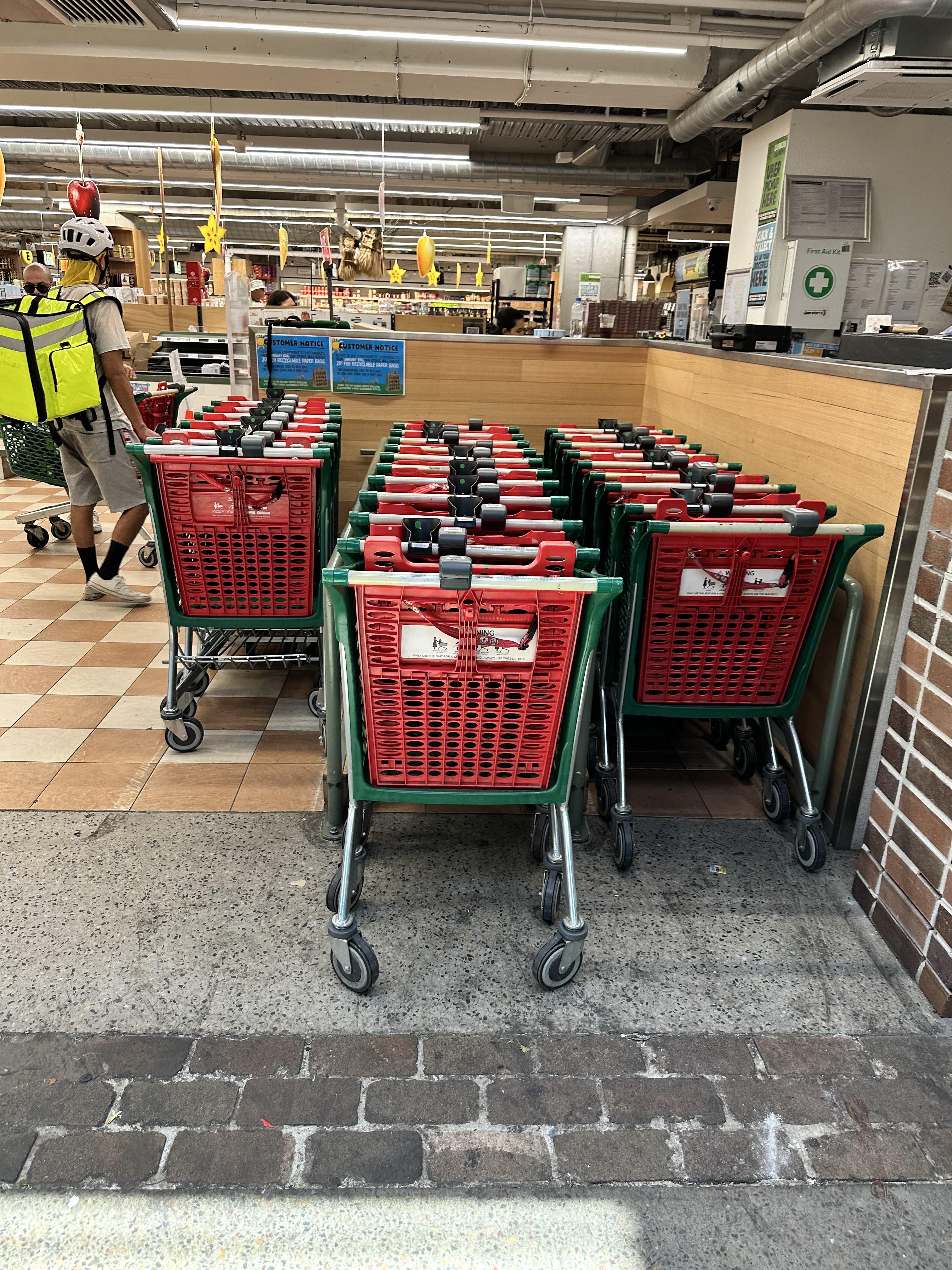
The operational model behind predictable trolley control
Predictable trolley control uses asset tracking, geofencing, event monitoring, and operational accountability to reduce loss, lower costs, cut compliance risks, and support sustainability in retail operations.
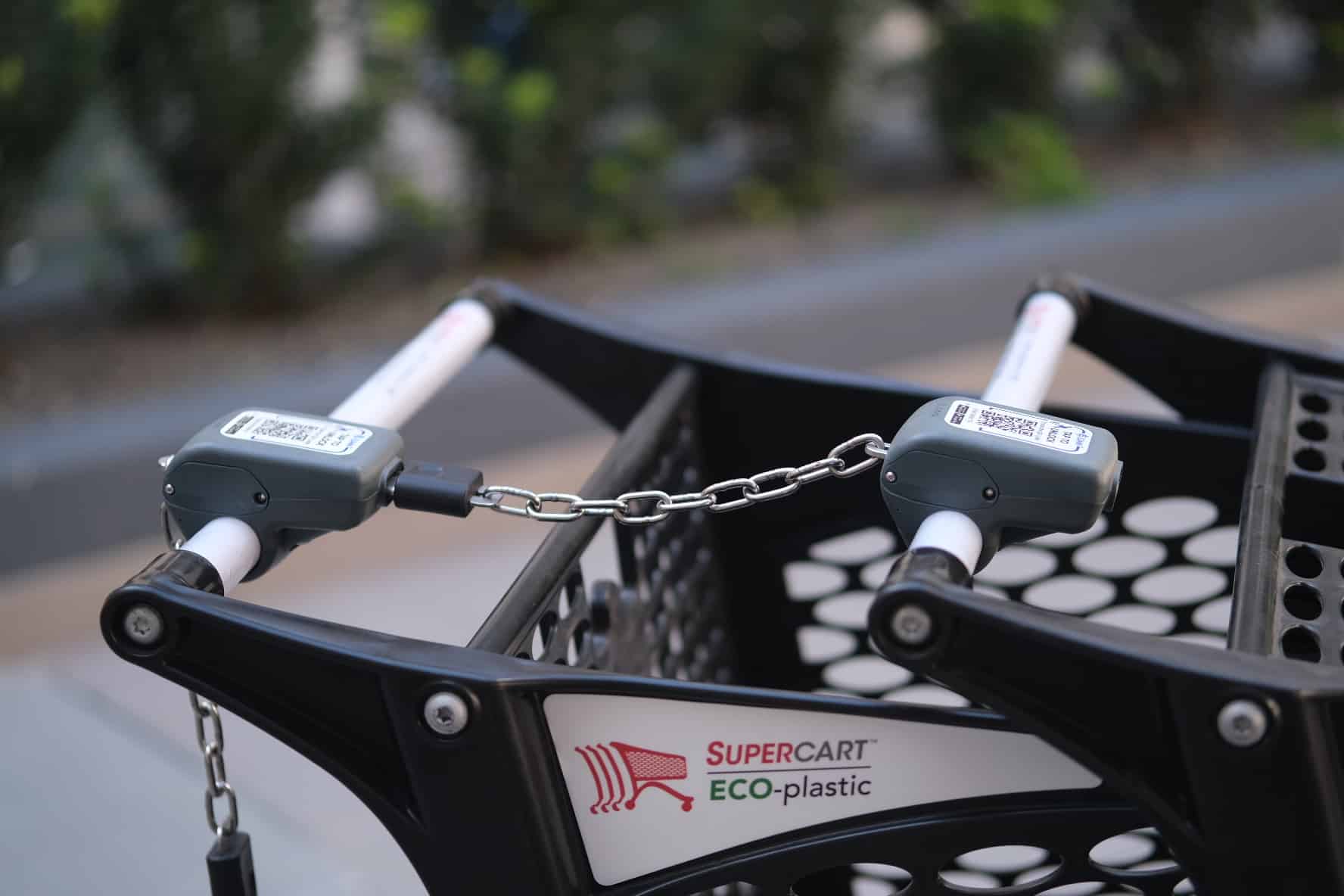
Why retailers need a system view of trolley control, not isolated fixes
Retailers must adopt a network-wide trolley control system to enhance asset visibility, reduce losses, cut labor costs, ensure compliance, and lower environmental impact through efficient tracking tools like sMart Track and sMart Lock.
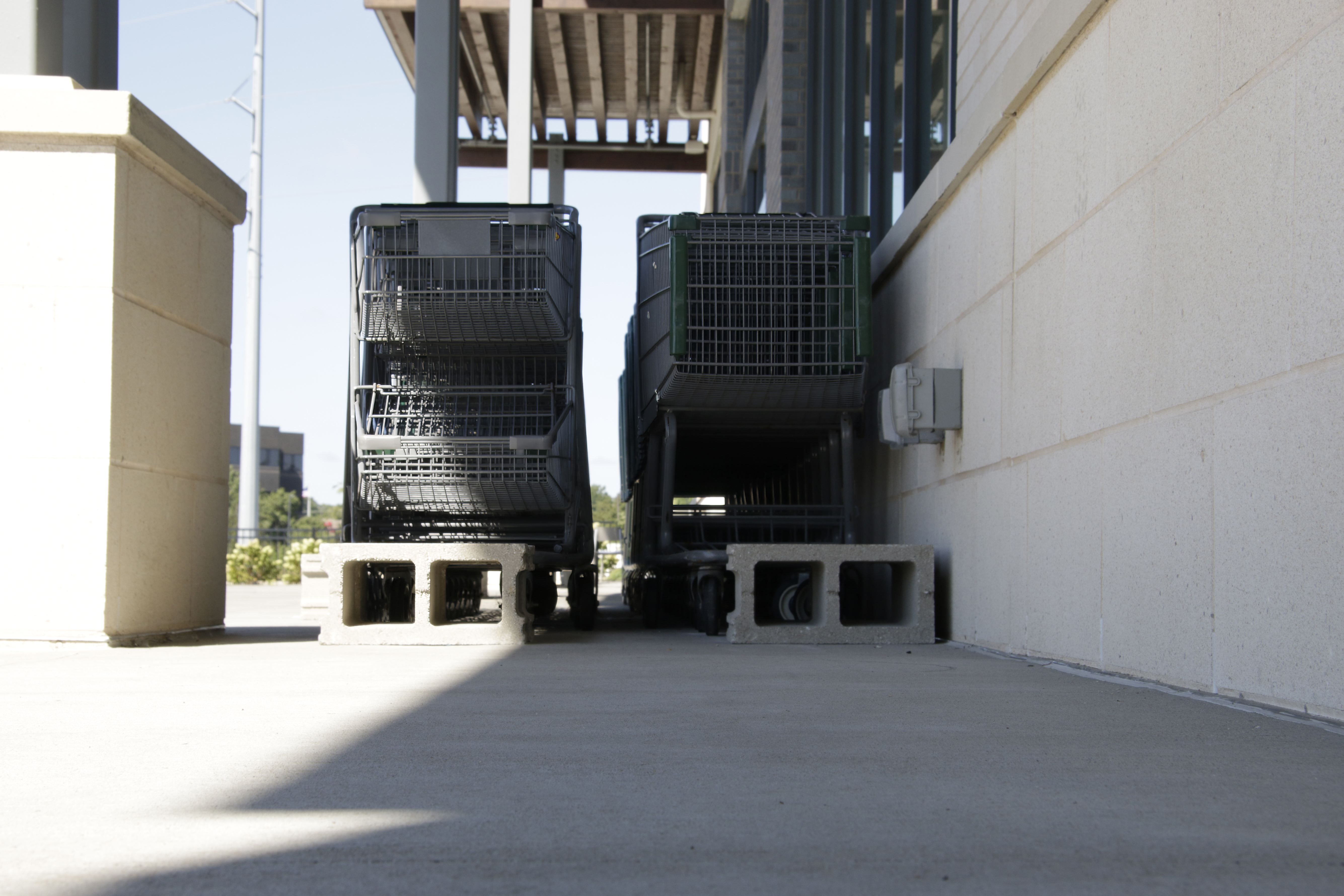
Reducing trolley drift across multi‑site retail: a measurable operating model for control
A system-level model using real-time tracking, standard controls, and governance reduces trolley drift by up to 40%, cuts labor costs, lowers replacement expenses, and supports sustainability in multi-site retail.
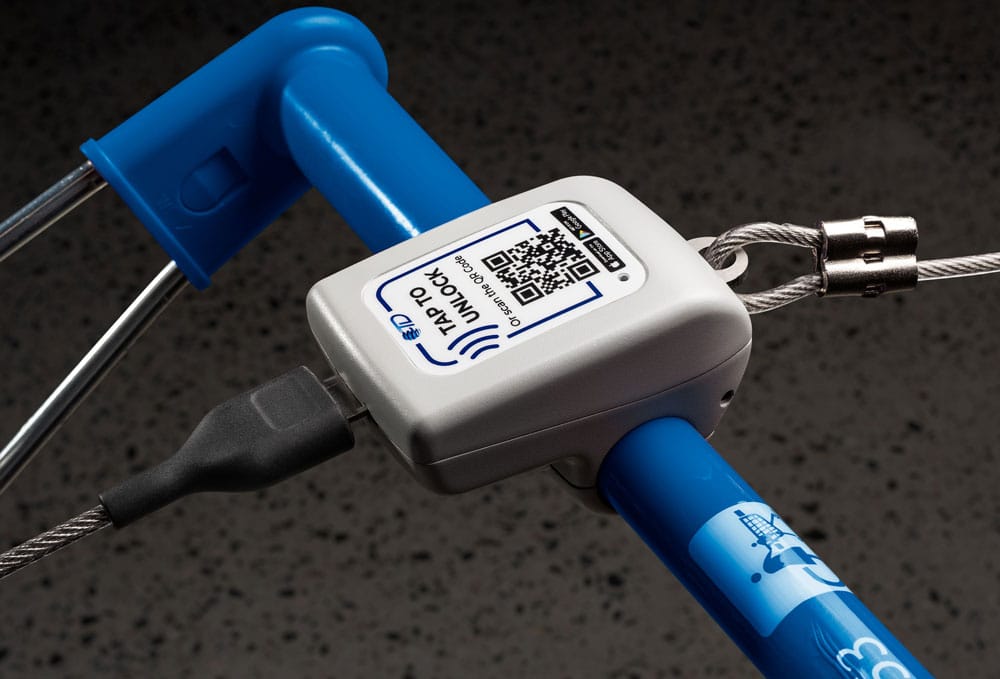
Digital trolley access systems: what operators need to know to control loss, lift visibility, and reduce labour waste
TDMN’s digital trolley access systems reduce trolley loss, labor costs, and environmental impact by enabling real-time tracking, geofencing, and improved asset visibility, enhancing retail operations and compliance.
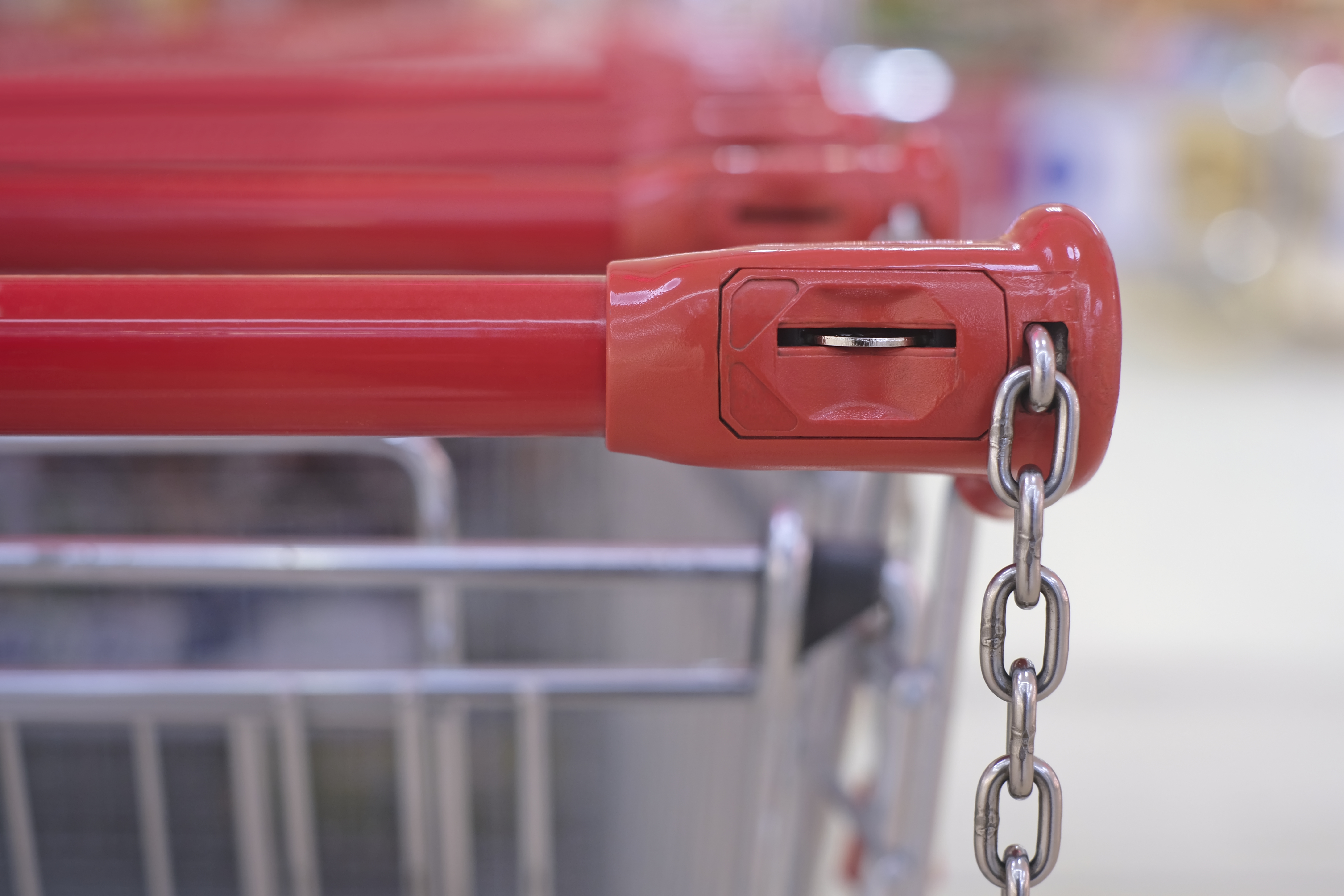
The hidden labour cost of poor trolley visibility: hours you pay for but do not see
Poor trolley visibility in Australian retail causes hidden labor costs via extra retrieval time, overtime, and inefficiencies. Implementing real-time tracking like sMart Track reduces losses, improves planning, and cuts costs.
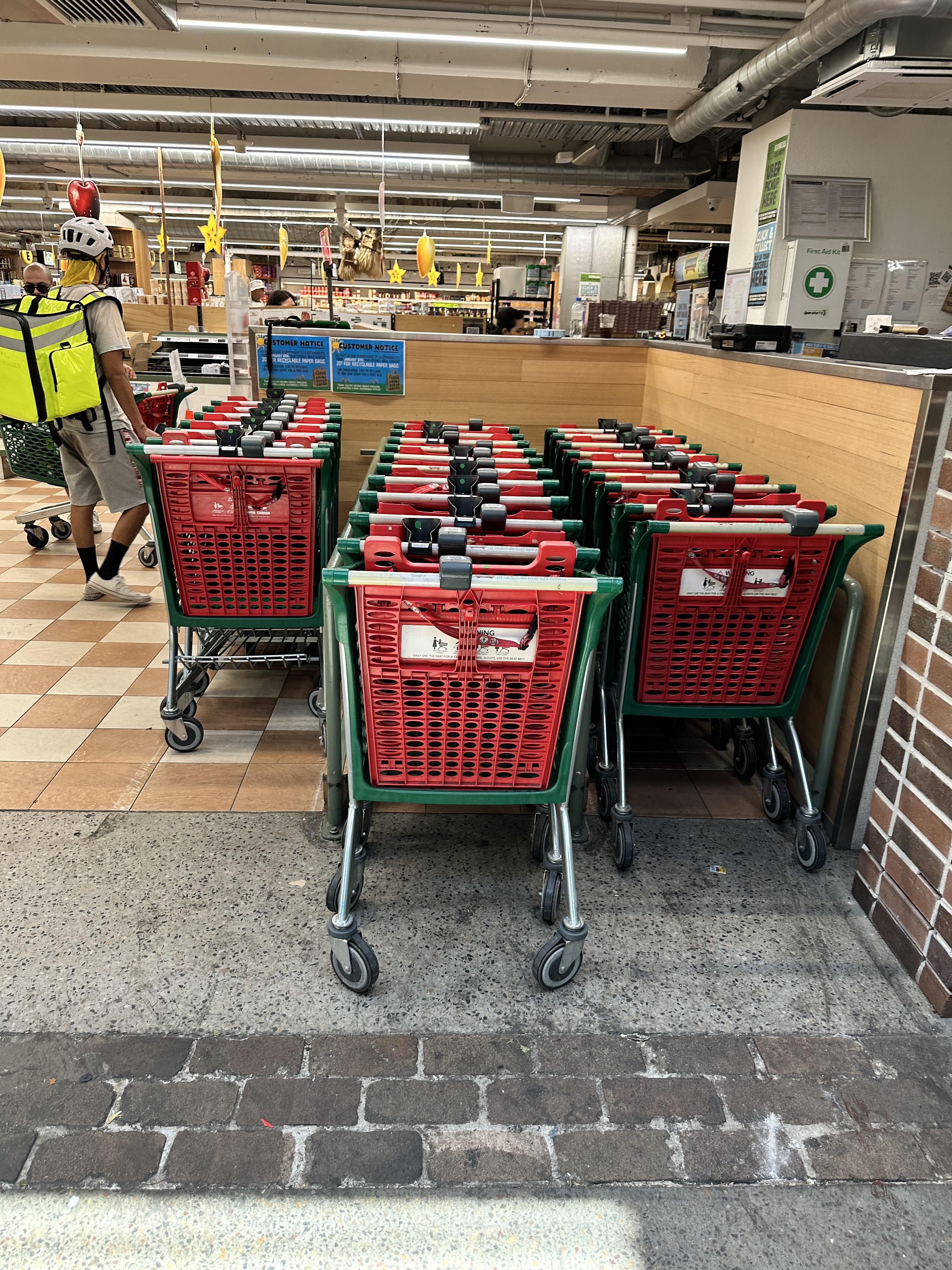
The hidden labour cost of poor trolley visibility
Poor trolley visibility increases hidden labor costs via retrieval, call-outs, and inefficiencies. Systems like sMart Track/Lock improve asset control, stabilize labor budgets, reduce CO2, and enhance retail operations.

Unique trolley identity: the backbone of accountability at scale
Unique trolley identity enables precise tracking, reducing loss, labor costs, and environmental impact while enhancing compliance and operational efficiency in retail asset management.
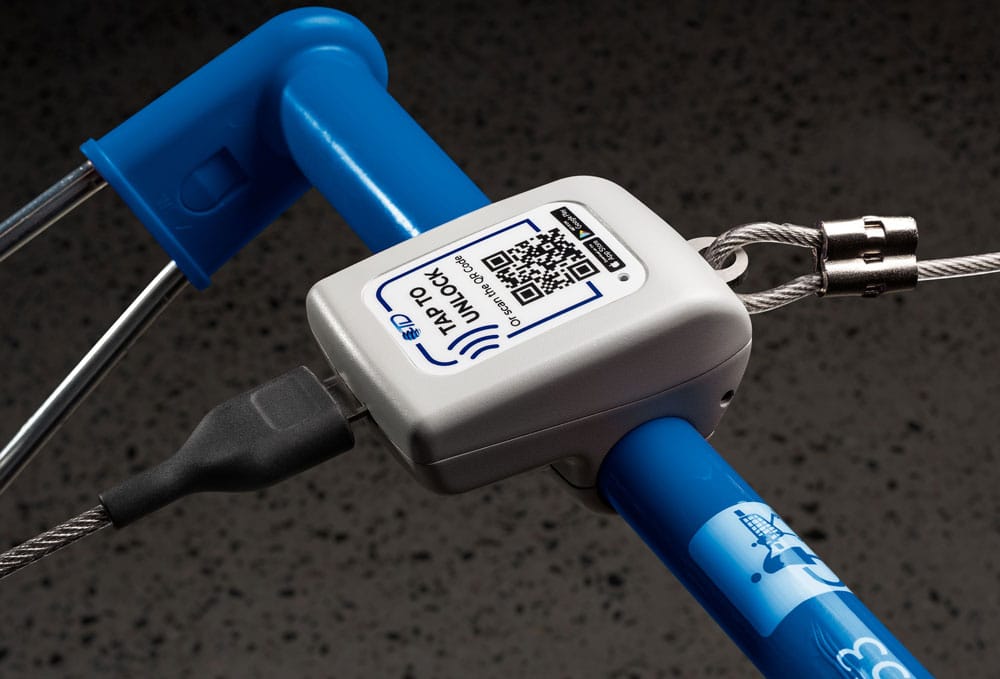
Digital Trolley Access Systems: A Practical Guide for Retail Operators
Digital trolley access systems like sMart Lock and sMart Track help retailers reduce trolley loss, cut labor costs, enhance compliance, improve operational visibility, and lower environmental impact through efficient asset management.

Real‑time Trolley Visibility: Reduce Loss and Labour Cost with Predictable Control
Real-time trolley visibility using TDMN’s sMart Track™ and sMart Lock™ reduces loss, cuts labour costs, improves retrieval efficiency, lowers CO2 emissions, and boosts retail operational KPIs.
Unique trolley IDs: the control layer for multi‑site retail asset control
Unique trolley IDs enable real-time asset tracking across multi-site retail operations, reducing trolley loss by up to 40%, enhancing accountability, operational predictability, compliance, and sustainability, while cutting labor costs and optimizing fleet management.
Reduce labour waste and replacement pressure with data‑led trolley control
Data-led trolley control reduces labour waste and replacement costs by enabling real-time tracking, improving retrieval efficiency, ensuring compliance, lowering CO2 emissions, and enhancing asset visibility and operational predictability.
How real-time asset visibility cuts trolley loss and stabilises operations
Real-time asset visibility reduces trolley loss by up to 80%, stabilizes operations, lowers labor costs, enhances compliance, cuts CO2 emissions, and improves retail asset control via data-driven tracking systems like sMart Track.
Digital trolley access systems: a practical guide for Australian retail operators
Digital trolley access systems reduce losses, improve asset control, compliance, and operational efficiency for Australian retailers. They cut costs, enhance tracking, and support sustainability goals.

Data-led trolley asset control: reducing loss across Australian retail
Data-led trolley management enhances visibility and accountability, reducing losses, labor costs, and environmental impact in Australian retail through real-time tracking, mobile access, and compliance support.

Coinless trolley locks: measurable convenience for shoppers, lower costs for retailers
Digital coinless trolley locks like sMart Lock enhance shopper convenience, reduce retailer costs by minimizing coin handling and trolley abandonment, improve asset tracking, ensure compliance, and support sustainable, data-driven retail operations.
Coinless trolley locking: clearer control, lower costs, better customer flow
Coinless trolley lock systems enhance supermarket operations by reducing retrieval costs, improving asset control, boosting customer flow, ensuring compliance, and supporting sustainability with data-driven management and measurable savings.

Turning trolley loss into operational control: data‑led strategies for Australian retailers
Australian retailers can reduce costly trolley loss by shifting from reactive recovery to data-driven asset visibility and control using TDMN’s sMart Track™ and sMart Lock™, improving efficiency and sustainability.
From Missing Trolleys to Full Visibility: How Real-time Tracking Changes Store Operations
Real-time trolley tracking enhances retail operations by reducing losses, cutting labor costs, improving efficiency, supporting sustainability, ensuring compliance, and enabling data-driven asset management.
From loss to control: how retailers use data to cut trolley loss and recovery costs
Retailers cut trolley loss and recovery costs using data-driven tools like sMart Track and sMart Lock, improving asset control, reducing labor and replacement expenses, enhancing compliance, and lowering CO2 emissions.