The $2B problem: what abandoned trolleys are really costing retailers
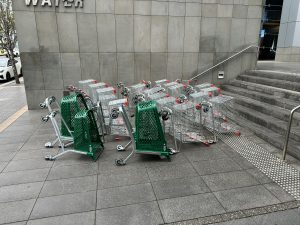
Abandoned trolleys cost Australian retailers more than $2 billion each year. This figure goes beyond lost assets—it includes added labour hours, compliance risks, and environmental impact. You’ll see why trolley loss is a visibility and systems problem, not just a recovery issue, and how predictable control models can cut costs while improving operational clarity across your sites. [https://www.linkedin.com/posts/greg-randall-5817434_despite-advancements-in-ecommerce-platforms-activity-7386160317648711680-3dZa]
The Hidden Costs of Abandoned Trolleys

The impact of lost trolleys extends far beyond what many realise. It’s an issue that affects finances, labour, and compliance. Let’s explore these challenges in detail.
Financial Impact on Retailers
Did you know that abandoned trolleys can drain millions from retail budgets each year? The financial losses aren’t just about replacing trolleys. Retailers face costs from damaged property, lost sales, and disrupted operations. Each trolley left to rust in a park or street represents a breakdown in asset management. When trolleys are left unchecked, retailers find themselves replacing more carts than necessary, leading to inflated costs that could be avoided with better systems. This is why controlling trolley loss is crucial for maintaining a healthy bottom line.
Labour and Compliance Challenges
Beyond financial loss, labour and compliance issues add another layer of complexity. Store employees often spend hours retrieving trolleys instead of focusing on customer service. This misallocation of resources can affect store operations and employee morale. Compliance issues also arise, as councils may impose fines for trolleys left in public spaces. Meeting these compliance standards can be costly and time-consuming for retailers. As you can see, the problem isn’t just about abandoned trolleys—it’s about how these issues cascade into broader operational challenges.
Reframing Trolley Loss as a Visibility Issue
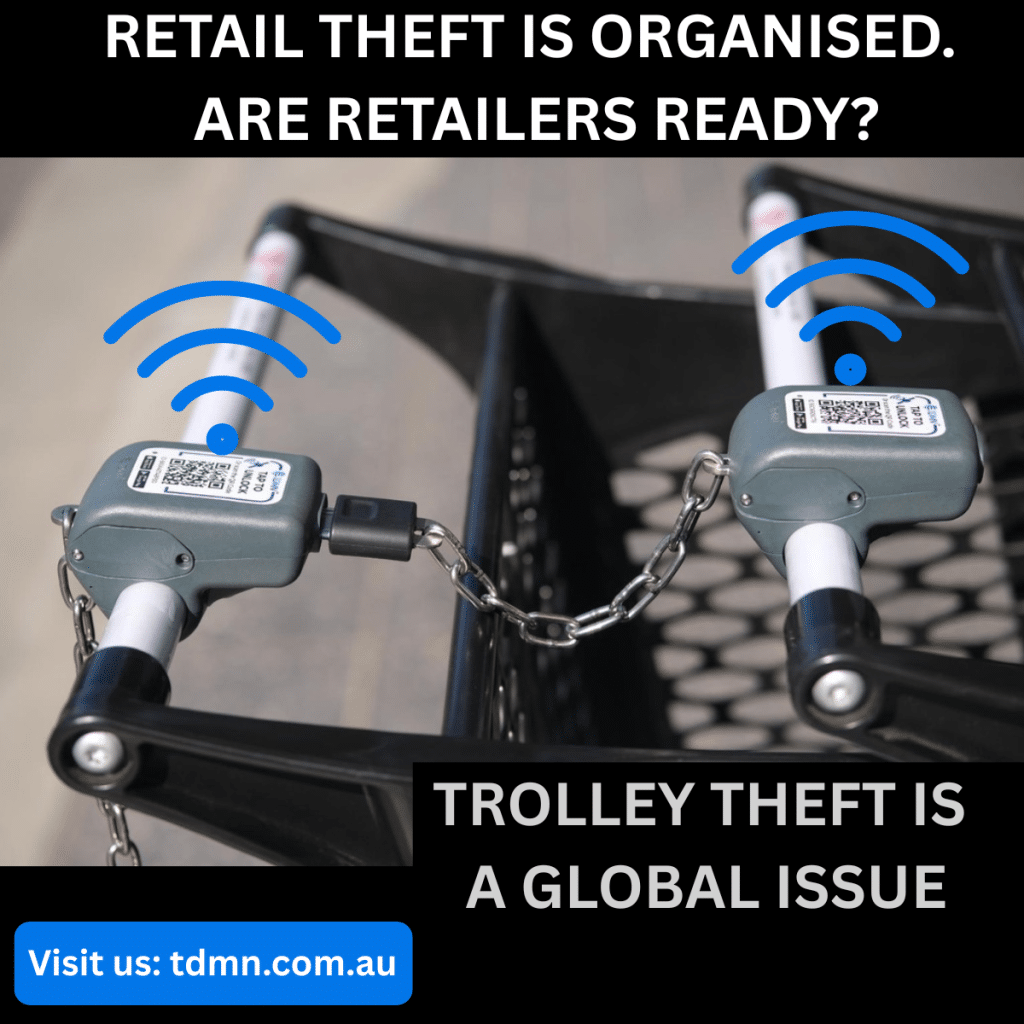
Instead of viewing trolley loss purely as a recovery problem, it’s time to address the visibility gap that underlies it. This change in perspective can unlock significant efficiencies.
Understanding the Systems Gap
The core issue with trolley loss is not just abandonment, but the lack of real-time visibility. Many retailers rely on outdated methods that fail to track trolleys accurately. Without proper systems in place, it becomes difficult to know where trolleys are or how many are at risk of being lost. This visibility gap creates a blind spot in asset management, making it harder to respond quickly and effectively. By understanding this gap, retailers can begin to implement solutions that provide clarity and control over their assets.
Real-time Solutions with sMart Track and sMart Lock
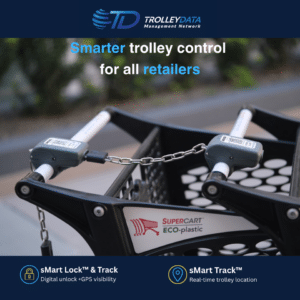
The solution to trolley loss lies in real-time tracking systems like sMart Track and sMart Lock. These technologies provide retailers with the tools needed to monitor trolleys continuously. With these systems, each trolley is assigned a unique identity, allowing for precise tracking. Real-time data enables retailers to retrieve lost trolleys swiftly, reducing both operational disruptions and replacement costs. By integrating these systems, retailers can improve asset visibility and significantly cut down on losses. This approach not only saves money but also enhances operational efficiency across the board.
A Predictable Model for Retail Asset Control
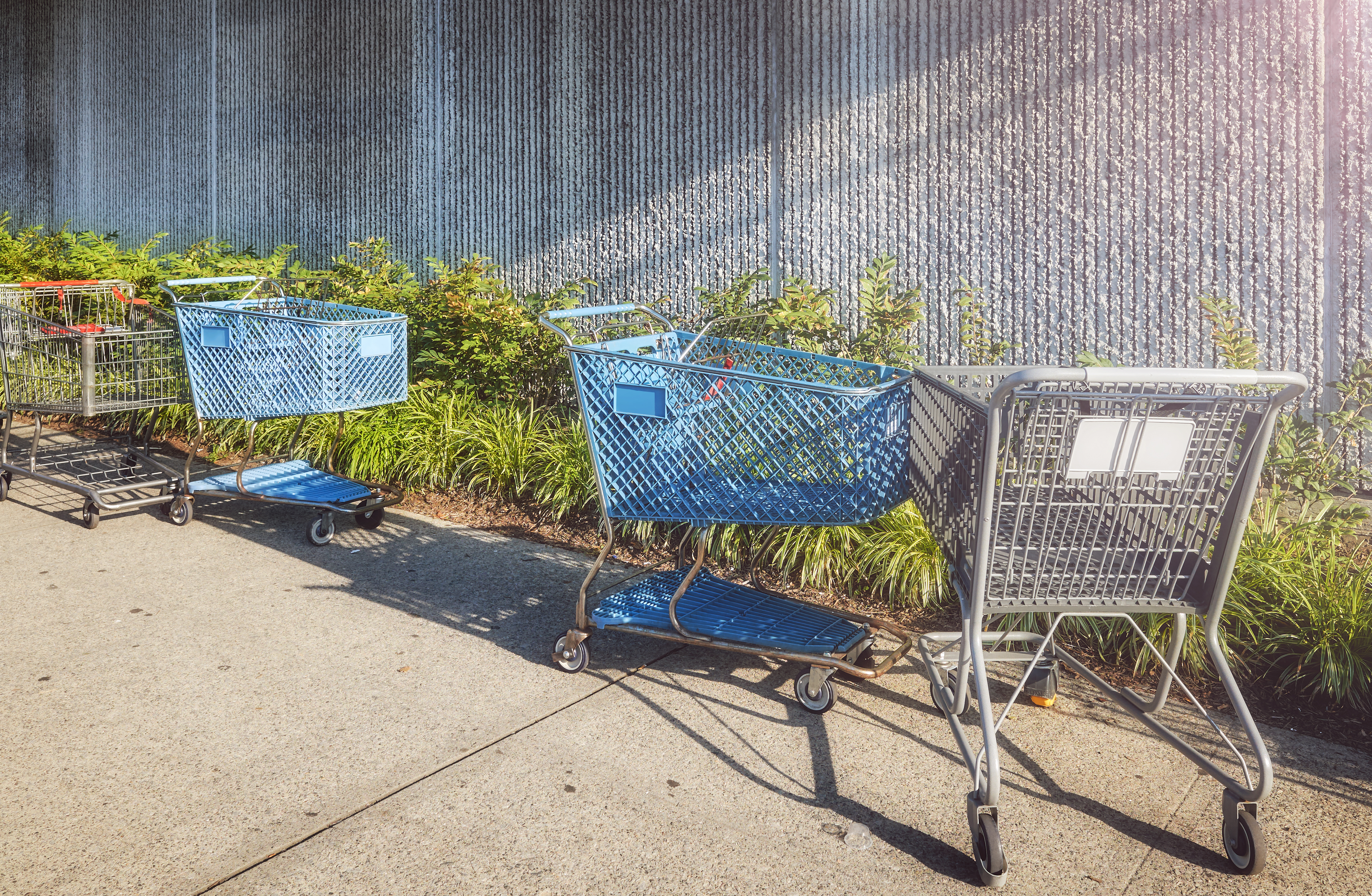
Embracing a predictable control model can profoundly affect your retail operations, leading to reduced costs and improved community relationships.
Reducing CO2 and Labour Costs
Implementing efficient asset control systems directly impacts both CO2 emissions and labour costs. With accurate tracking, retrieval trips become more targeted, reducing unnecessary vehicle usage. This shift saves fuel and decreases emissions, contributing to a greener operational footprint. Additionally, better asset control means employees spend less time recovering trolleys and more time on customer service. This dual benefit of CO2 reduction and optimised labour use reinforces the value of data-driven asset management.
Ensuring Compliance and Community Satisfaction
Compliance and community relations are pivotal in retail operations. By managing trolley fleets effectively, retailers can avoid council fines and enhance community aesthetics. Properly controlled trolleys mean fewer complaints and a more positive public image. Systems like sMart Track ensure that you meet compliance standards consistently. This leads to improved relationships with councils and communities. Through such measures, retailers not only save on costs but also foster goodwill, establishing themselves as responsible and community-oriented businesses.
In conclusion, addressing trolley loss through a systems and visibility approach not only cuts financial and environmental costs but also strengthens community ties and operational efficiency.