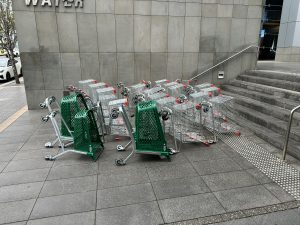
Trolley loss and labour waste continue to erode retail margins across Australia. Switching to digital trolley access can cut these costs while boosting asset visibility and council compliance. This guide outlines what you need to assess before adopting digital trolley access to ensure a smooth rollout and measurable results for your supermarket operations. For more details, you may refer to our resources.
Understanding Digital Trolley Access
Digital trolley systems are transforming how retailers manage their assets. By embracing this technology, you unlock a new level of control and visibility that traditional methods just can’t offer.
Benefits of Digital Trolley Systems
Imagine reducing trolley loss and cutting down on labour costs. Digital trolley systems make this possible. With these systems, you can track each trolley in real-time, ensuring they stay within your store’s premises. Real-time tracking helps you not only see where your trolleys are but also plan efficient retrieval, saving time and money.
Moreover, these systems enhance compliance with local councils. By keeping your trolleys accounted for, you reduce the risk of fines and improve your store’s reputation within the community. In an era where compliance is crucial, this advantage can’t be overstated.
Key Features of sMart Lock and sMart Track
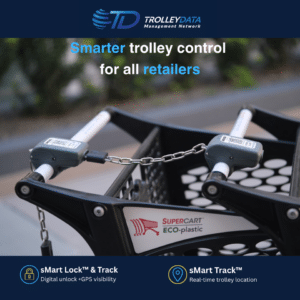
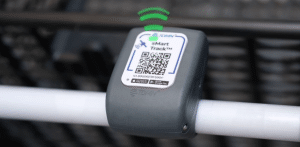
The sMart Lock and sMart Track systems are game changers in trolley technology. They provide each trolley with a unique identity, allowing for accurate tracking. This feature makes your inventory management more reliable and reduces the chances of loss or theft.
With sMart Lock, you eliminate the need for coins to unlock trolleys, simplifying the shopping experience for customers. Meanwhile, sMart Track ensures every trolley is accounted for, enhancing your asset management capabilities. These technologies are designed with ease of use in mind, making them a practical choice for any retail environment.
Addressing Trolley Loss and Compliance
Trolley loss is a persistent issue that impacts not only your bottom line but also your compliance status. Digital systems address this by providing a clear record of your trolleys’ whereabouts. This transparency helps you meet regulatory requirements while also improving operational efficiency.
Furthermore, maintaining compliance through effective trolley management reduces environmental impact, aligning with sustainability goals. By ensuring your trolleys are where they should be, you contribute to cleaner streets and happier communities.
Implementing Digital Trolley Management
Transitioning to digital trolley systems involves careful planning and assessment. This section covers the key steps you should consider for a successful rollout.
Assessing Store Readiness for Rollout
Before jumping in, it’s vital to assess if your store is ready for digital trolley management. Start by evaluating your current trolley usage and identifying loss patterns. Understanding these dynamics will guide your transition to digital systems.
Next, review your existing infrastructure. Ensure you have the necessary support for installing and maintaining digital systems. A well-prepared store sets the stage for a smooth deployment of new technology.
Pilot Planning and Execution
A pilot program can help you test the waters before a full-scale rollout. Select a few locations to implement the system and monitor its performance. This approach allows you to identify potential challenges and refine processes.
During the pilot, gather feedback from staff and customers. Their insights will be invaluable in optimizing the system for broader implementation. Remember, the goal is to ensure the system enhances operations without disrupting your existing workflow.
Monitoring and Maintenance Considerations
Ongoing monitoring is crucial to ensure your digital trolley system functions effectively. Regular checks and maintenance keep the technology running smoothly and prevent unexpected issues.
Establish a schedule for system updates and inspections. Staying proactive reduces downtime and enhances the system’s reliability. By prioritizing maintenance, you protect your investment and ensure long-term success.
Operational and Financial Impacts
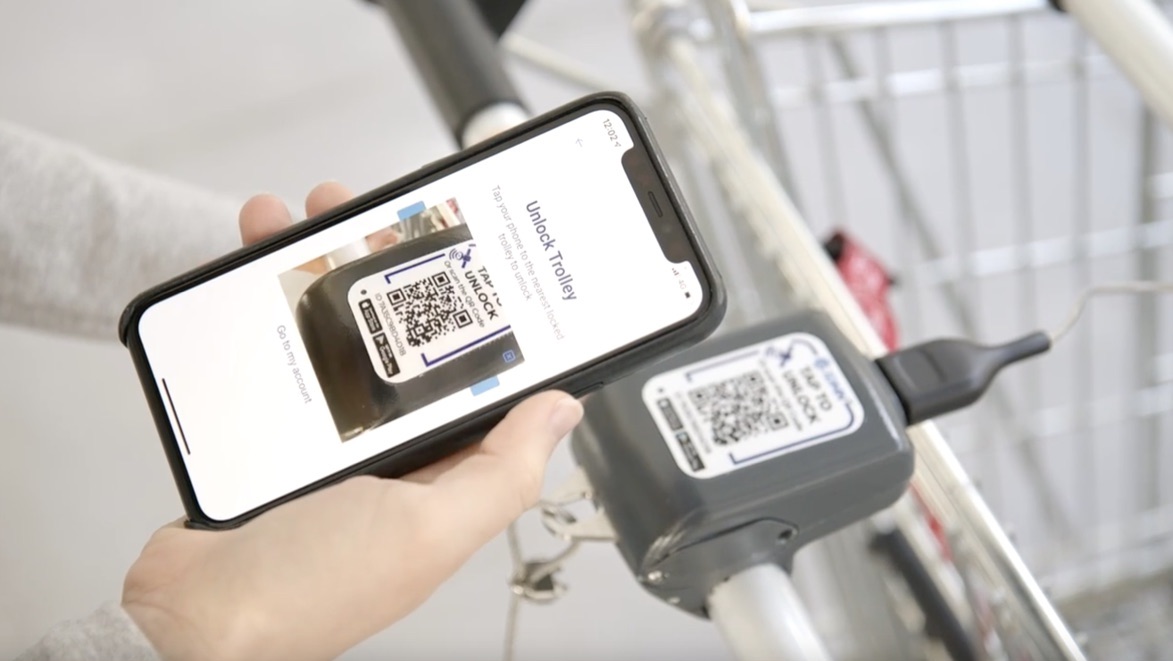
Switching to digital trolley systems brings notable operational and financial benefits that extend beyond mere cost savings.
Reducing Labour and Asset Waste
Digital systems streamline asset management, reducing the need for manual labour. With fewer trolleys needing retrieval, your staff can focus on more productive tasks, enhancing overall efficiency.
Moreover, accurate tracking minimizes asset waste. Knowing the exact location of your trolleys reduces unnecessary replacements, saving you money and resources in the long run.
Balancing Capex vs Opex
When considering digital trolley systems, it’s essential to weigh capital expenditure (Capex) against operational expenditure (Opex). While initial setup costs may seem high, the long-term operational savings often justify the investment.
Assess your budget to determine the best financial approach for your store. Balancing these expenditures can lead to improved financial stability and operational effectiveness.
Supporting CO2 Reduction and Compliance
Digital trolley systems contribute to CO2 reduction by ensuring efficient asset management and reducing unnecessary retrieval trips. This eco-friendly approach aligns with global sustainability efforts and enhances your store’s compliance with environmental standards.
By integrating these systems, you not only improve your store’s operations but also contribute positively to the environment. This dual benefit supports your business goals while promoting a cleaner, more sustainable future.
In conclusion, adopting digital trolley access systems equips you with powerful tools to combat loss, reduce labour costs, and enhance compliance. By following this structured approach, you can transform your retail operations for greater efficiency and sustainability.