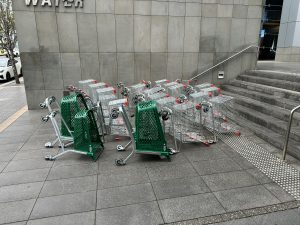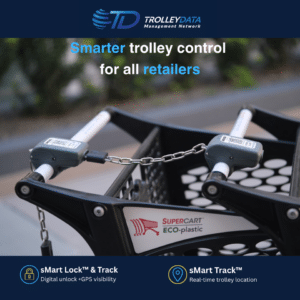
Trolley loss is often seen as a behavioural challenge or a recovery issue. The truth is, predictable trolley control depends on clear visibility and accountability across your portfolio. This operational model combines real-time tracking, governance, service level agreements, and exception workflows to reduce loss, labour costs, compliance risks, and environmental impact. You’ll find a practical rollout path to bring these outcomes within reach for your stores and centres. For more information, visit this link.
Operational Model for Trolley Control
Let’s dive into the core of a predictable trolley control system. A structured approach to asset management can significantly reduce trolley loss and improve operational efficiency. This model emphasises real-time tracking, governance, and accountability to ensure that your retail operations are smooth and cost-effective.
Components of Trolley Management
Effective trolley management is all about having the right components in place. Start with real-time tracking to know exactly where your trolleys are at any moment. This system can signal when a trolley leaves a designated area. Then, integrate service level agreements (SLAs) to maintain high standards of performance and accountability. Lastly, implement exception workflows to handle any unforeseen issues efficiently. Together, these elements create a comprehensive system that not only prevents loss but also reduces labour costs.
Outcomes on Loss and Labour
By focusing on these components, you can achieve tangible outcomes. For instance, retailers using this model have reported a decrease in trolley loss by up to 40%. This reduction translates directly into lower replacement costs and fewer hours spent on retrieval. It’s a win-win: saving money and freeing up staff for more critical tasks. Addressing trolley loss as a visibility and accountability issue rather than just a recovery problem can transform your operations.
CO2 and Compliance Benefits
Reducing trolley loss also brings environmental and compliance benefits. When fewer trolleys are lost, there’s less need for replacements, which means lower CO2 emissions from manufacturing and transport. Plus, having a robust system in place helps meet compliance standards, as it ensures trolleys are accounted for and not ending up as community nuisances. Operational improvements can lead to a greener footprint and smoother compliance with local regulations.
Implementing Scalable Solutions
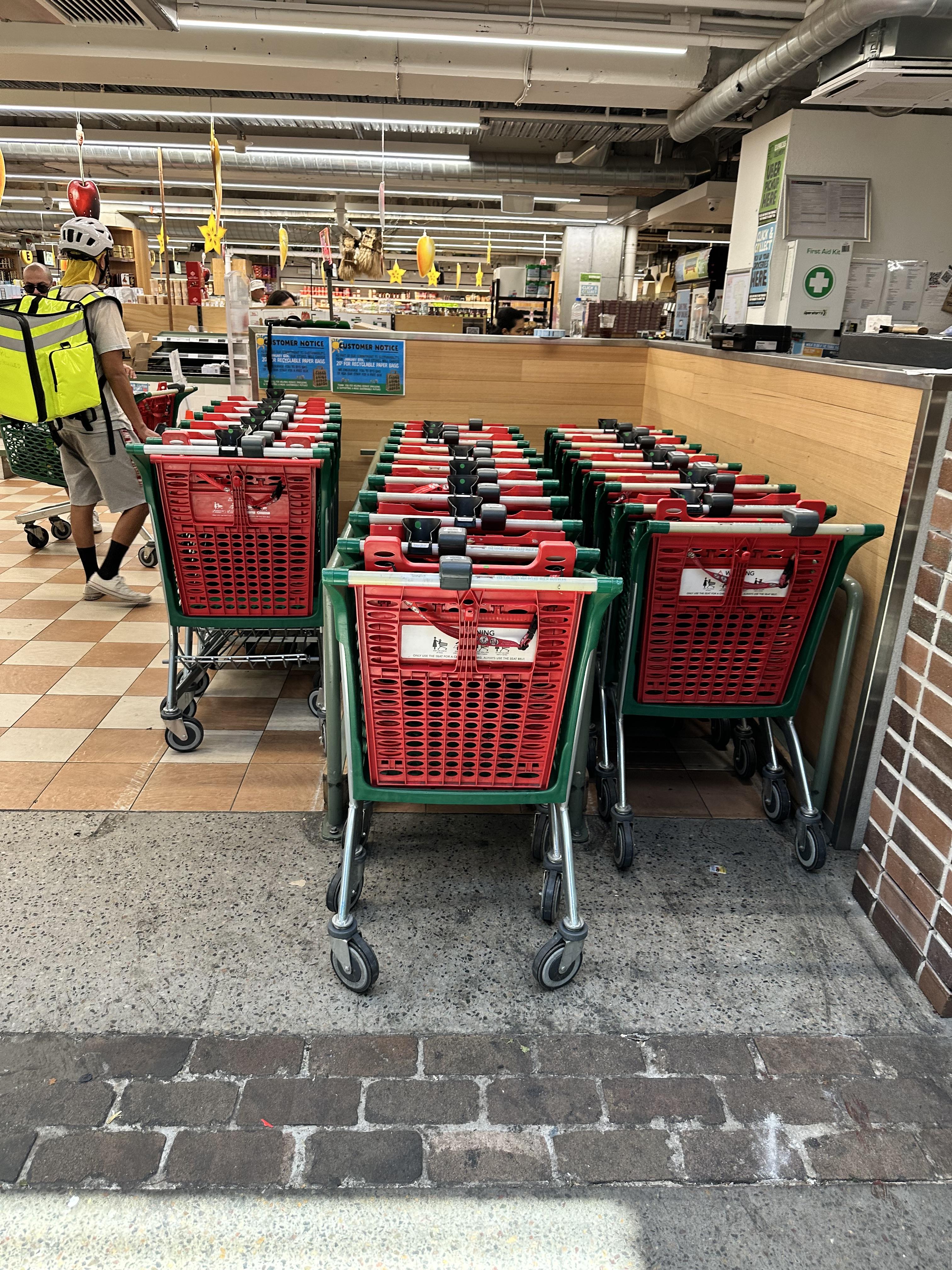
Transitioning to a data-driven model requires a clear, practical rollout pathway. This part of the journey is crucial for ensuring that your solution is scalable across all sites and adaptable to different operational needs.
Practical Rollout Pathway
To implement a scalable solution, start with a phased rollout. Begin with a pilot program in one or two locations to fine-tune the system. Once successful, expand to other sites gradually. This approach allows for adjustments and ensures the technology integrates smoothly with existing operations. Keep stakeholders informed and trained on the new systems to guarantee success.
Commissioning a Portfolio Assessment
Before diving into full implementation, commission a portfolio assessment. This step evaluates current systems and identifies gaps in asset visibility and control. A comprehensive assessment provides a roadmap for integrating new technologies like sMart Track™ and sMart Lock™. By understanding your starting point, you can tailor solutions to fit specific needs, ensuring a more effective deployment.
Real-Time Tracking and Accountability
Real-time tracking is the backbone of an accountable trolley management system. By using systems like sMart Track™, you gain complete asset visibility, allowing for immediate action when trolleys stray. This technology not only reduces loss but also enhances customer experience, as trolleys are more readily available and in good condition. Implementing it across all locations is key to achieving consistency and accountability.
System Components and Benefits
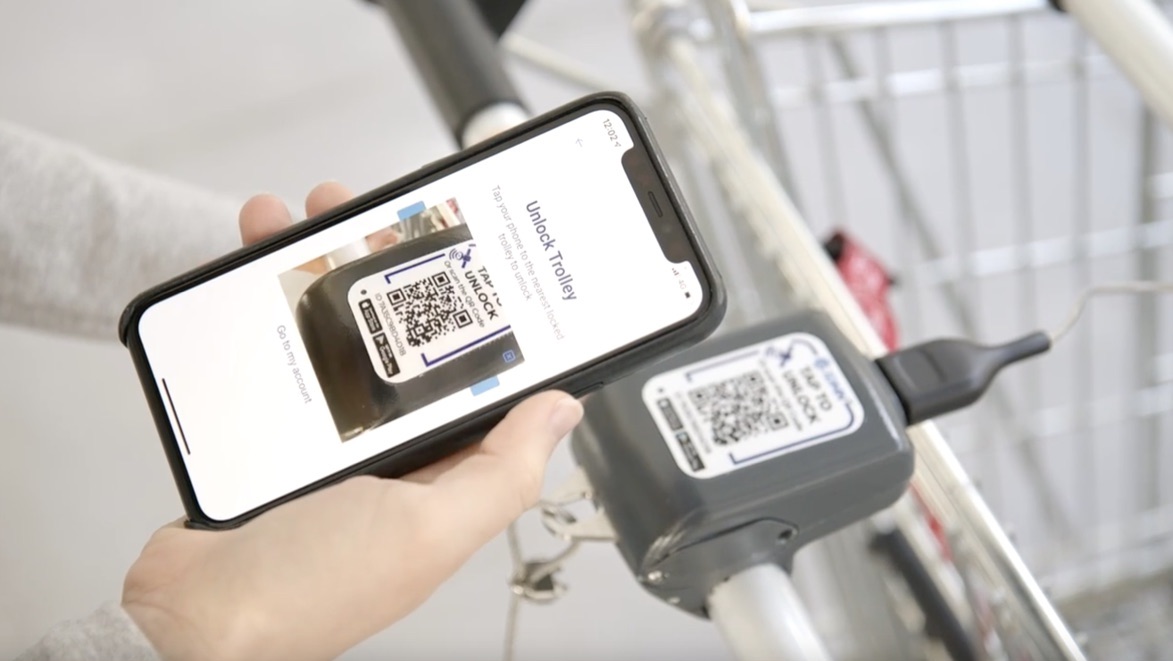
The strength of a trolley management system lies in its components and their integration. Telemetry, governance, exception workflows, and reporting play pivotal roles in achieving predictable control.
Telemetry and Governance
Telemetry offers precise data on trolley locations, movements, and usage patterns. This data supports governance by providing insights into operational efficiency. A robust governance model ensures that the data collected translates into actionable information, guiding decisions and improving asset management. With telemetry, you can track each trolley, ensuring they remain within designated areas and reducing loss.
Exception Workflows and Field Service
Exception workflows enable swift responses to unusual events, minimising disruptions. For instance, if a trolley is moved outside its area, an alert prompts immediate action. Field service teams can then address the issue promptly, ensuring continuous operation. These workflows ensure that any deviation from the norm is swiftly corrected, maintaining the integrity of your operations.
Reporting Cadence and Financial Controls
Regular reporting provides insights into how well the system functions and where improvements are needed. Set a cadence for reports on trolley usage, loss, and recovery. This practice ensures financial controls are in place, helping manage replacement costs and budget allocations effectively. With consistent reporting, you maintain oversight and make informed decisions about operational strategies.
By integrating these components, retailers can achieve a significant reduction in trolley loss, lower labour costs, and contribute positively to environmental goals. Adopting a predictable trolley control system not only streamlines operations but also aligns with broader sustainability and governance objectives. The longer you wait to embrace this model, the more you miss out on these valuable benefits.
Start your trolley loss ROI report