Data-led trolley asset control: reducing loss across Australian retail
Most trolley loss in Australian retail stems from gaps in visibility and accountability, not just recovery efforts. Your current approach may miss how real-time data can shift trolley management from reactive fixes to predictable control. This article outlines a practical model using data-led asset management to reduce loss, cut labour costs, manage compliance risks, and lower environmental impact across complex retail networks. For more details, visit this resource.
Data-led Asset Management in Retail
Understanding how trolleys go missing often comes down to visibility. Without clear insights, many retailers find themselves reacting to loss rather than preventing it. Now, let’s explore how data can reshape this approach.
Understanding Trolley Loss as a Visibility Issue
Trolley loss isn’t just about missing items; it’s a visibility challenge. When a trolley is lost, it’s often due to insufficient tracking. Without knowing where each trolley is, it’s hard to manage them effectively. This lack of visibility means you’re always playing catch-up.
Imagine a supermarket with hundreds of trolleys. If 10% go missing each month, that’s a significant cost. Not only do you have to replace them, but lost trolleys can lead to fines and frustrated customers. Gaining visibility is the first step in solving this. With clear insights, you can keep track of every trolley and ensure they stay where they belong.
Leveraging Data for Retail Asset Control
Data empowers you to shift from a reactive to a proactive stance. By using real-time tracking, you gain insights into trolley movements. This data helps identify patterns and predict issues before they escalate. It’s not just about knowing where trolleys are; it’s about understanding why they move and how to keep them in place.
With data-led control, you make informed decisions. Consider using a system that provides alerts when trolleys leave designated areas. Such systems can save retailers thousands each year by reducing loss. More than that, they help streamline operations, making your processes smoother and more predictable.
Benefits of Real-Time Asset Data
Real-time data offers unmatched oversight. Imagine monitoring trolley locations at any time. This visibility means you can act fast, preventing losses before they happen. It also allows for efficient allocation of resources, reducing the need for costly recovery efforts.
With real-time data, you can optimize staffing. Knowing where trolleys are means fewer hours spent searching for them. This efficiency translates to fewer operational headaches and more focus on customer service. Plus, by reducing loss, you also cut down on environmental impact, as fewer replacements are needed.
Implementing a Trolley Management System
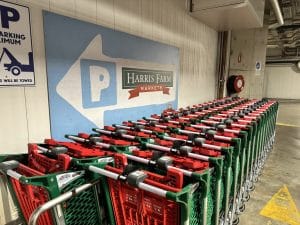
Shifting from mere oversight to control involves adopting new systems. Implementing a robust management system can help address visibility issues and streamline operations.
sMart Track and sMart Lock Solutions
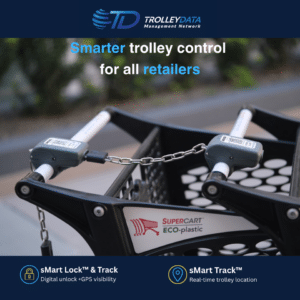
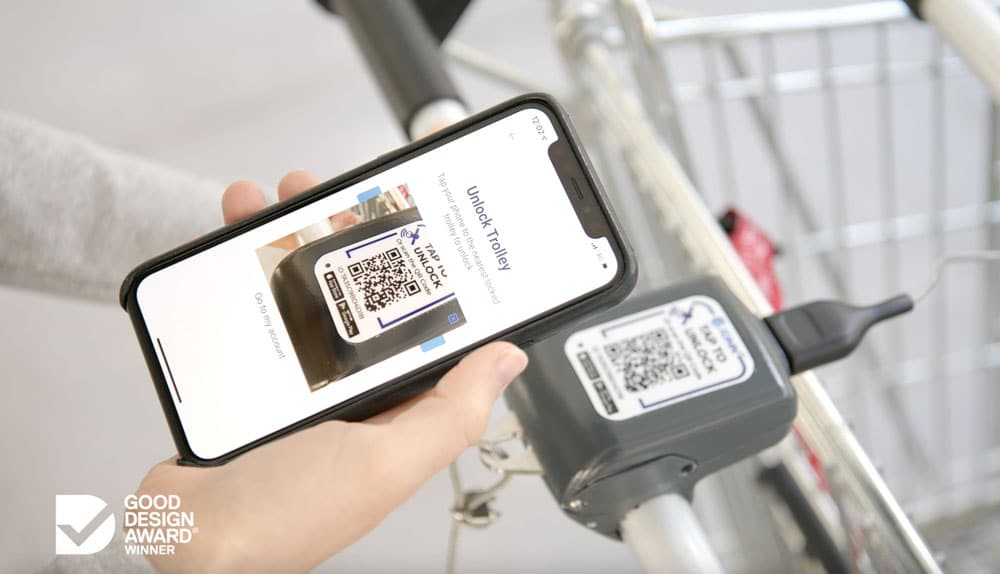
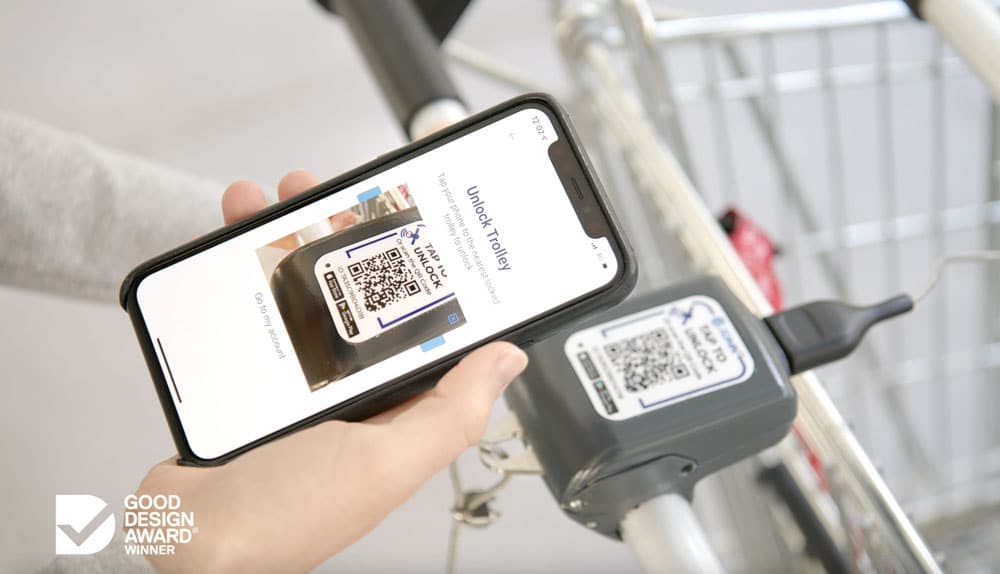
The sMart Track and sMart Lock systems offer effective solutions for managing trolleys. These systems use GPS and digital locks to monitor and control trolley movements. When trolleys are tracked and locked digitally, you have a clear picture of their location and status.
With sMart Track, each trolley has a unique ID, ensuring precise tracking. Meanwhile, sMart Lock eliminates the need for physical coins, reducing the hassle for customers and staff. Together, these systems form a comprehensive management solution. They not only reduce loss but also make retrieval easier and more efficient.
Mobile Asset Tracking for Accountability
Mobile tracking enhances accountability. By using smartphones or tablets, staff can easily monitor trolleys. This mobile access means faster response times when issues arise. It’s not just about knowing where a trolley is; it’s about being able to act quickly to prevent problems.
When staff use mobile tracking, they have the tools to manage assets effectively. This leads to fewer lost trolleys and happier customers. Moreover, mobile tracking supports compliance with council regulations, as you can provide accurate data on trolley locations and movements.
Environmental Impact Reduction and CO2 Emissions
Reducing trolley loss also means cutting down on CO2 emissions. When fewer trolleys are lost, fewer need to be replaced. This reduces the environmental impact of manufacturing new trolleys. Additionally, efficient management reduces the need for frequent recovery trips, which cuts down on fuel use.
The environmental benefits are clear: less waste and lower emissions. By implementing a data-led system, you contribute to a greener retail operation. It’s not just about saving money; it’s about doing your part for the planet.
Operational Benefits and Compliance
Implementing these systems brings significant operational benefits. From reduced labor costs to improved compliance, the advantages are manifold.
Reducing Labour Costs and Improving Efficiency
A key benefit of real-time tracking is reduced labor costs. When staff know where trolleys are, they spend less time searching and more time on productive tasks. This efficiency means fewer hours wasted and more focus on customer service.
Efficient tracking also leads to better inventory management. With fewer trolleys lost, operational costs drop. This cost-saving can be reinvested into improving other aspects of the business. For decision-makers, this means a more streamlined, efficient operation.
Ensuring Council Compliance in Retail Operations
Council compliance is crucial in retail. With accurate trolley tracking, you provide evidence of responsible management. This compliance not only avoids fines but also builds trust with local councils.
Having data to back up your operations means you can show accountability. This transparency fosters better relationships with councils and helps avoid conflicts. It’s about demonstrating that you’re a responsible retail operator, committed to community standards.
Enhancing Shopping Centre Operations Through Data
Data is a powerful tool for improving shopping centre operations. When you use data effectively, you enhance customer experience and streamline management. Real-time insights allow for better staffing decisions and more efficient operations.
By leveraging data, you ensure that trolleys are available when and where they’re needed. This availability means smoother operations and happier customers. It’s about transforming your shopping centre into a more efficient, customer-friendly environment.
In conclusion, adopting a data-led approach to trolley management reduces loss, improves efficiency, and supports sustainability. By focusing on visibility and accountability, you position your retail operation for success.