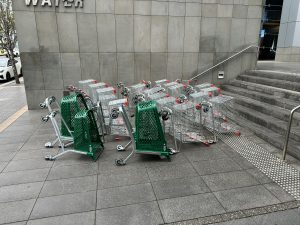
Trolley control is not a collection of quick fixes but a system-wide challenge demanding clear visibility. If your current approach relies on isolated solutions, you’re likely facing rising costs and unpredictable results. This post outlines why a unified trolley management system delivers consistent operational control, stronger compliance, and measurable environmental benefits across your retail operations in Australia. Learn more about the need for a system view of trolley control here.
Systemic View of Trolley Control
Achieving effective trolley control requires more than patchwork solutions. A comprehensive view ensures you manage your assets efficiently.
Beyond Quick Fixes
It’s tempting to rely on temporary solutions, but they often lead to more problems. Quick fixes might seem to save time and money initially, but they usually fall short in the long run. They lack the depth needed for true asset control, leaving you with unresolved issues that escalate costs and complicate operations. By shifting from short-term patches to systematic approaches, you can ensure better resource management and predictability.
Addressing Asset Visibility
Visibility is crucial in managing retail assets. Without it, you risk losing control over operations. Clear visibility into your assets allows you to identify and correct inefficiencies. It aids in reducing losses and ensuring your assets are where they should be. Trolley tracking systems provide data that enhances visibility, offering a snapshot of your assets’ status and location at any time.
Understanding Retail Asset Control
Managing retail assets is about more than just keeping track of trolleys. It’s about maintaining control over your entire operation. Without control, costs rise and efficiency drops. Implementing structured systems brings order to operations, reducing chaos and unpredictability. By understanding and improving asset control, you align operations for better outcomes, supporting both financial goals and compliance requirements.
Scalable Trolley Management Model
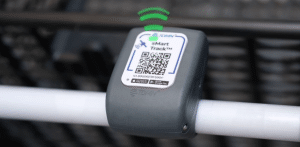
A scalable model transforms trolley management from chaos into clarity, delivering consistent results across your operations.
Predictable Operational Outcomes
Predictability is key to successful operations. When you know what to expect, you can plan effectively. Trolley tracking systems help create predictable outcomes by providing consistent data. This data allows you to anticipate issues and address them proactively. With a clear understanding of your operations, you can reduce unexpected costs and improve efficiency, leading to better financial performance.
Compliance and Environmental Impact
Meeting compliance standards is not optional; it’s essential. Non-compliance can lead to fines and other penalties. By using systems that track compliance, you ensure you’re meeting all necessary regulations. Additionally, these systems help reduce environmental impact. By managing assets efficiently, you reduce waste and lower emissions, contributing to a healthier planet.
Reducing Labour and Metal Waste
Labour and metal waste are significant cost drivers in retail operations. Reducing them can save substantial amounts. Efficient trolley management systems streamline operations, cutting down on unnecessary labour. They also help reduce metal waste by ensuring trolleys are maintained and used effectively. This not only lowers costs but also aligns with sustainability goals, enhancing your brand’s reputation.
Implementing a Unified Control System
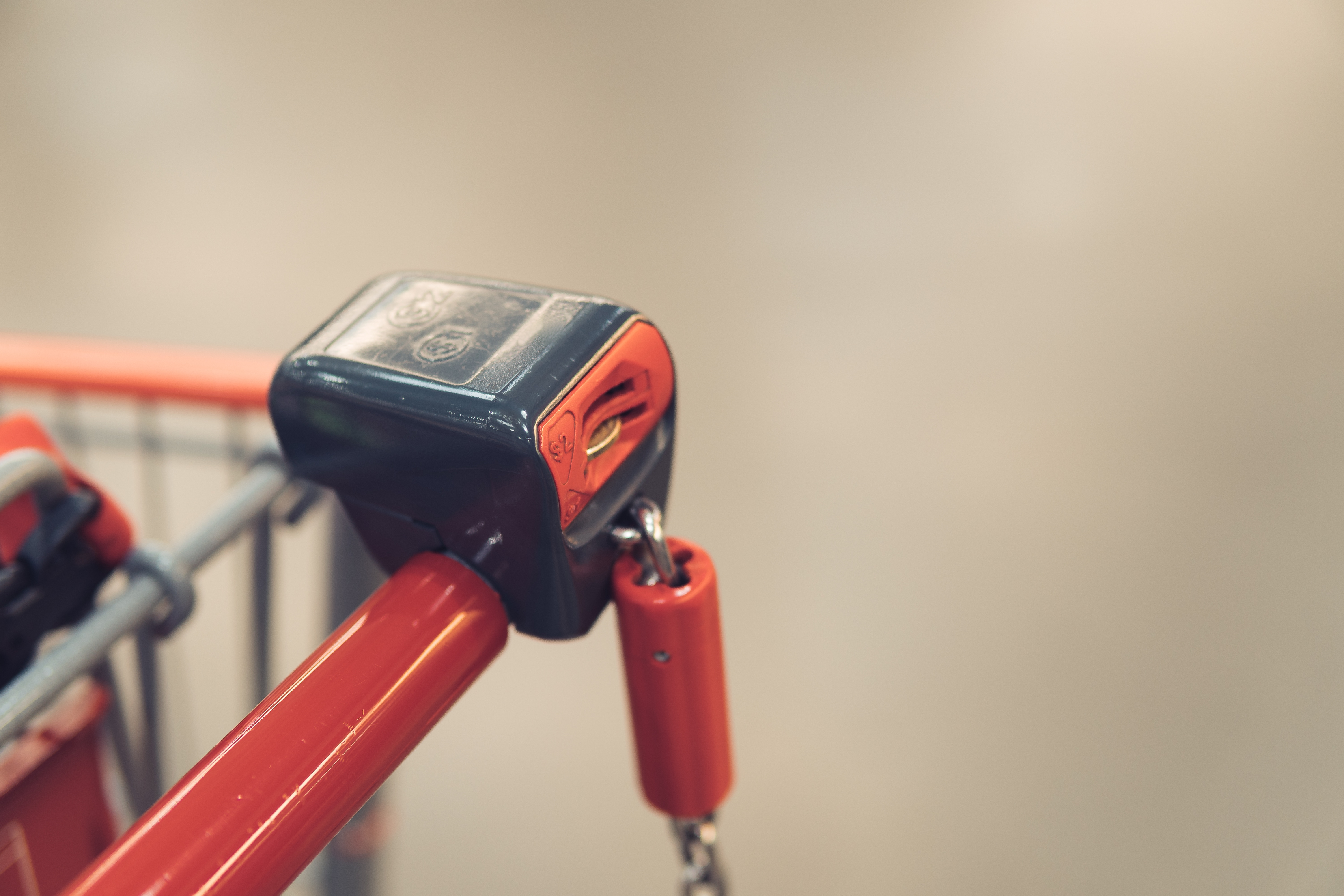
Implementing a unified system offers a cohesive approach to trolley management, replacing chaos with control.
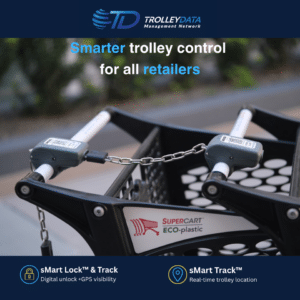
sMart Track and sMart Lock Explained
Two key components of a unified system are sMart Track and sMart Lock. These tools provide unique advantages. sMart Track offers real-time tracking, giving you a clear view of your assets’ locations. sMart Lock, on the other hand, ensures assets are secure, reducing the risk of theft or misuse. Together, they offer a comprehensive solution to asset management, enhancing both control and security.
Real-Time Tracking and Reporting
Real-time tracking provides immediate insights into asset status. It allows you to monitor operations as they happen. This immediacy means you can address issues as they arise, before they become major problems. Regular reporting adds another layer of control, providing data that supports decision-making. This combination enhances operational efficiency and control, reducing downtime and cost.
Establishing a Visibility Baseline
A visibility baseline is crucial for measuring improvement. By establishing where you are now, you can track progress and identify areas for further enhancement. This baseline provides a point of comparison, helping you see how changes impact operations. It also supports strategic planning, allowing you to set realistic goals and measure success. Establishing a visibility baseline is the first step towards improved asset management and operational efficiency.
In conclusion, moving from isolated fixes to a comprehensive trolley management system transforms operations. It delivers predictability, compliance, and sustainability, ensuring your retail operations in Australia are efficient and cost-effective.