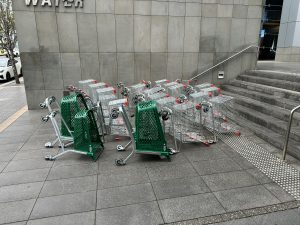
Trolley loss is rarely caused by one issue. It is usually the result of visibility gaps, weak accountability, slow recovery, and limited operational data.
For retailers, predictable trolley control requires more than manual collection or isolated fixes. It requires a system-level operating model built around asset identity, real-time visibility, geofencing, alerts, field processes, and reporting.
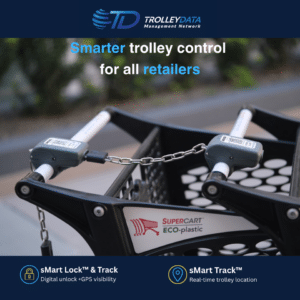
This blog outlines how retailers can move from reactive trolley recovery to a more controlled, measurable, and accountable fleet management model using technologies such as TDMN’s sMart Track™ and sMart Lock™. Read more here.
System-Level Control in Retail Operations
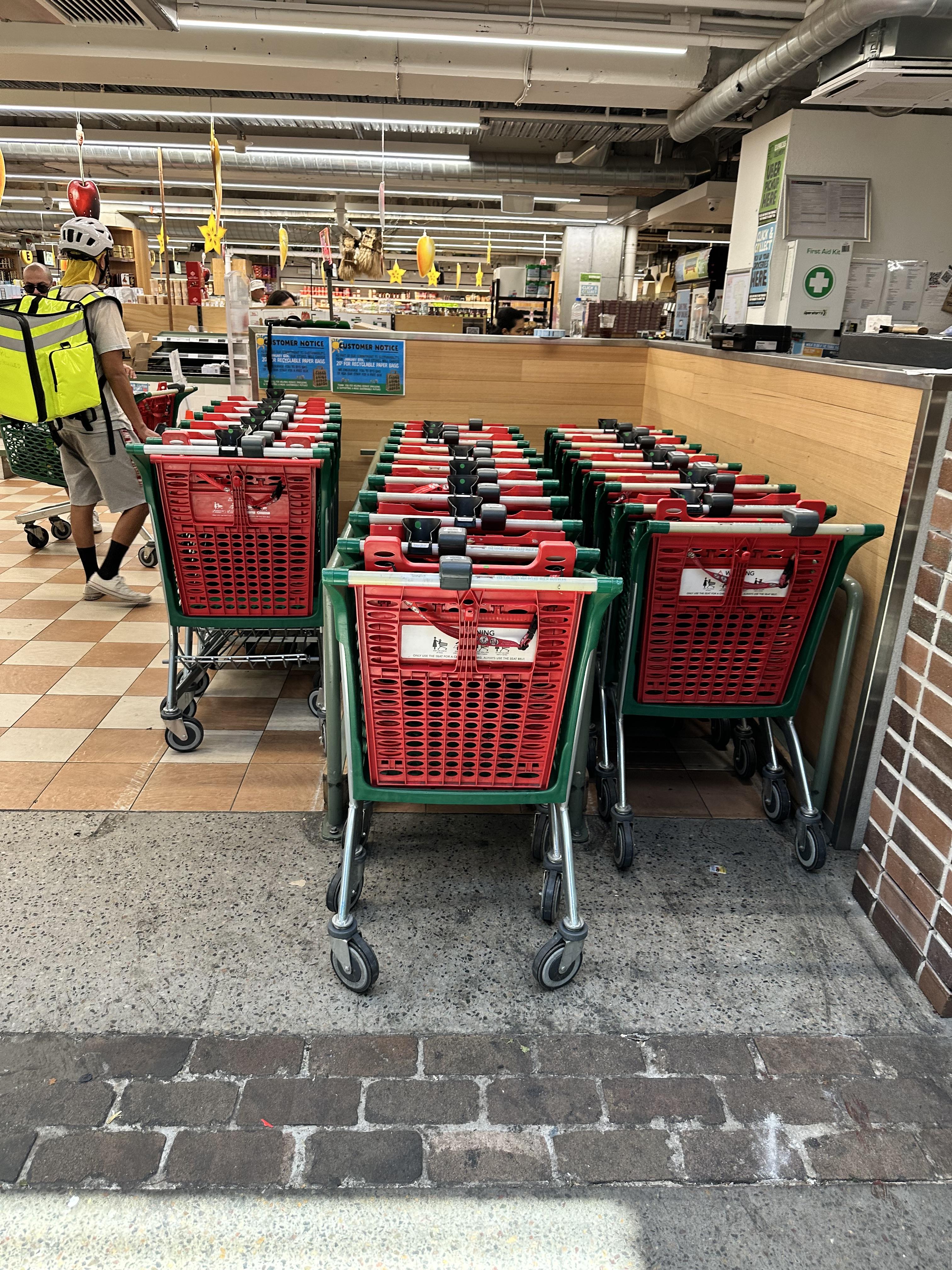
Operations become easier to manage when teams have clear responsibilities and live information. Here’s how you can leverage system-level control to transform how you manage your trolleys.
Unique asset identity and tracking
Giving each trolley a unique identity is the cornerstone of effective tracking. With TDMN’s sMart Track™, you can know exactly where each trolley is at any time. This precise tracking allows you to recover lost trolleys quickly, reducing replacement costs and improving operational efficiency. For example, when a trolley leaves a designated area, an alert can be sent, allowing for immediate action. This system not only helps reduce loss but also boosts customer satisfaction by increasing trolley availability.
GPS Location alerts for trolley management
Geofencing acts like a digital boundary for your trolleys. When a trolley crosses this boundary, an alert is triggered, allowing for swift retrieval. This technology is crucial in preventing trolleys from leaving your property and becoming a community nuisance. Most people assume once a trolley leaves the store, it’s lost, but geofencing changes that narrative by keeping you informed and in control. You can read more about how geofencing aids in trolley management here.
Event Monitoring and Exception Management
Monitoring your trolleys in real-time lets you manage exceptions proactively. By setting up alerts for unusual activities, such as a trolley being moved outside of operating hours, you can reduce loss and improve compliance. Exception management enables you to address issues before they escalate into significant problems, reducing both operational and environmental risks. Here’s the key insight: proactive management is far superior to reactive solutions. Find out more about this proactive approach here.
Operational Cadence for Trolley Management
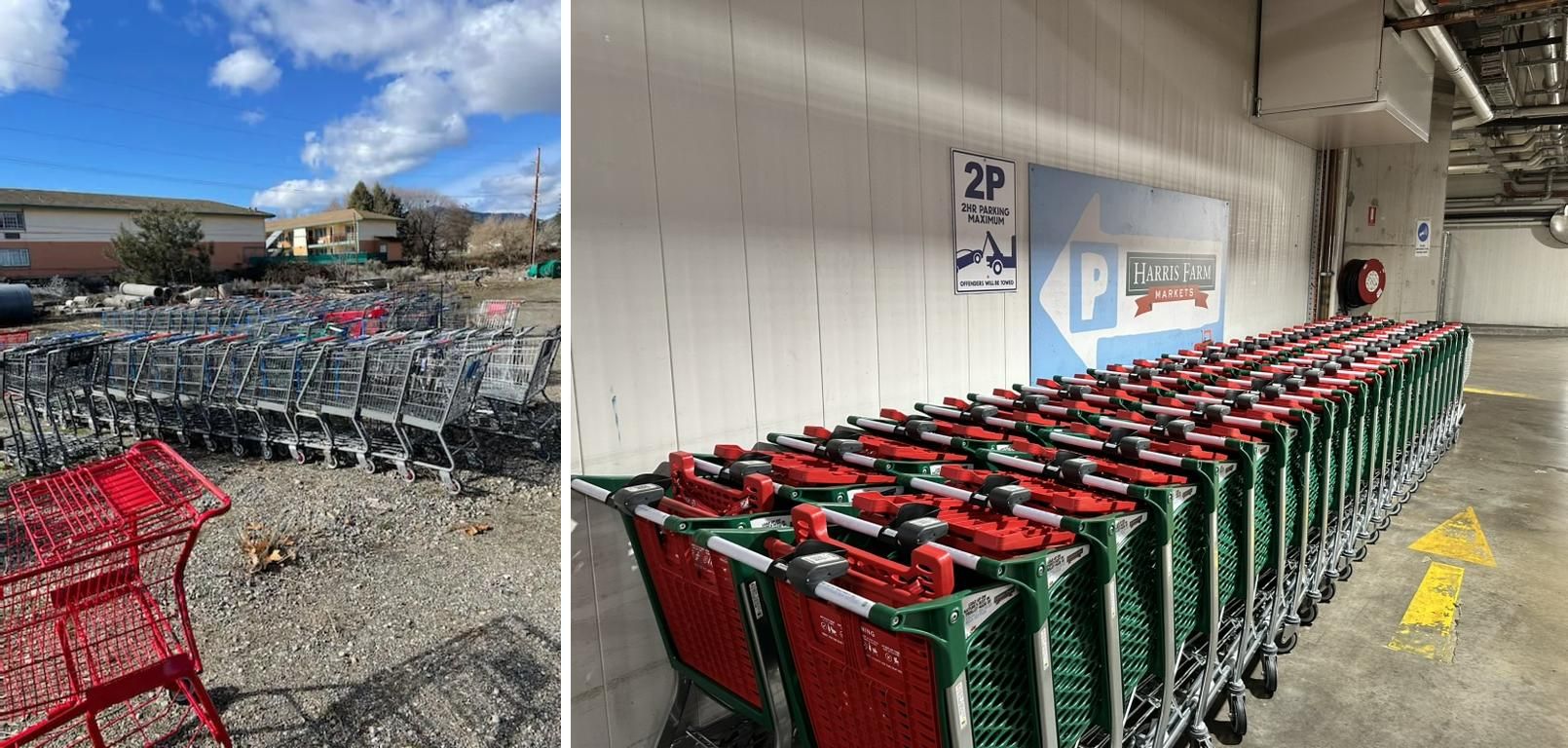
A well-structured operational cadence ensures every team member understands their role in maintaining trolley control. Here’s how to establish a rhythm that works.
Field Operations and Accountability
Setting clear roles and responsibilities for field operations is vital. Each team member must know their duties, from retrieving trolleys to monitoring geofencing alerts. This accountability ensures that no trolley is left untracked. You’d be surprised how much smoother operations run when everyone knows exactly what to do. Regular training and updates keep your team sharp and ready to act at a moment’s notice.
Reporting and Operational Visibility
Comprehensive reporting tools offer insights into trolley usage patterns and potential issues. These insights help you make informed decisions, improving operational visibility across your retail infrastructure. Reporting tools track metrics like retrieval times and loss events, helping you identify areas for improvement. You can learn more about maintaining operational visibility here.
Reducing Labour and Compliance Risks
By streamlining operations, you can significantly cut labour costs and minimise compliance risks. Automated systems reduce the manpower required for trolley management, allowing your team to focus on more critical tasks. With fewer manual interventions, the risk of non-compliance and associated fines decreases, resulting in a smoother, more cost-effective operation.
Environmental and Financial Benefits
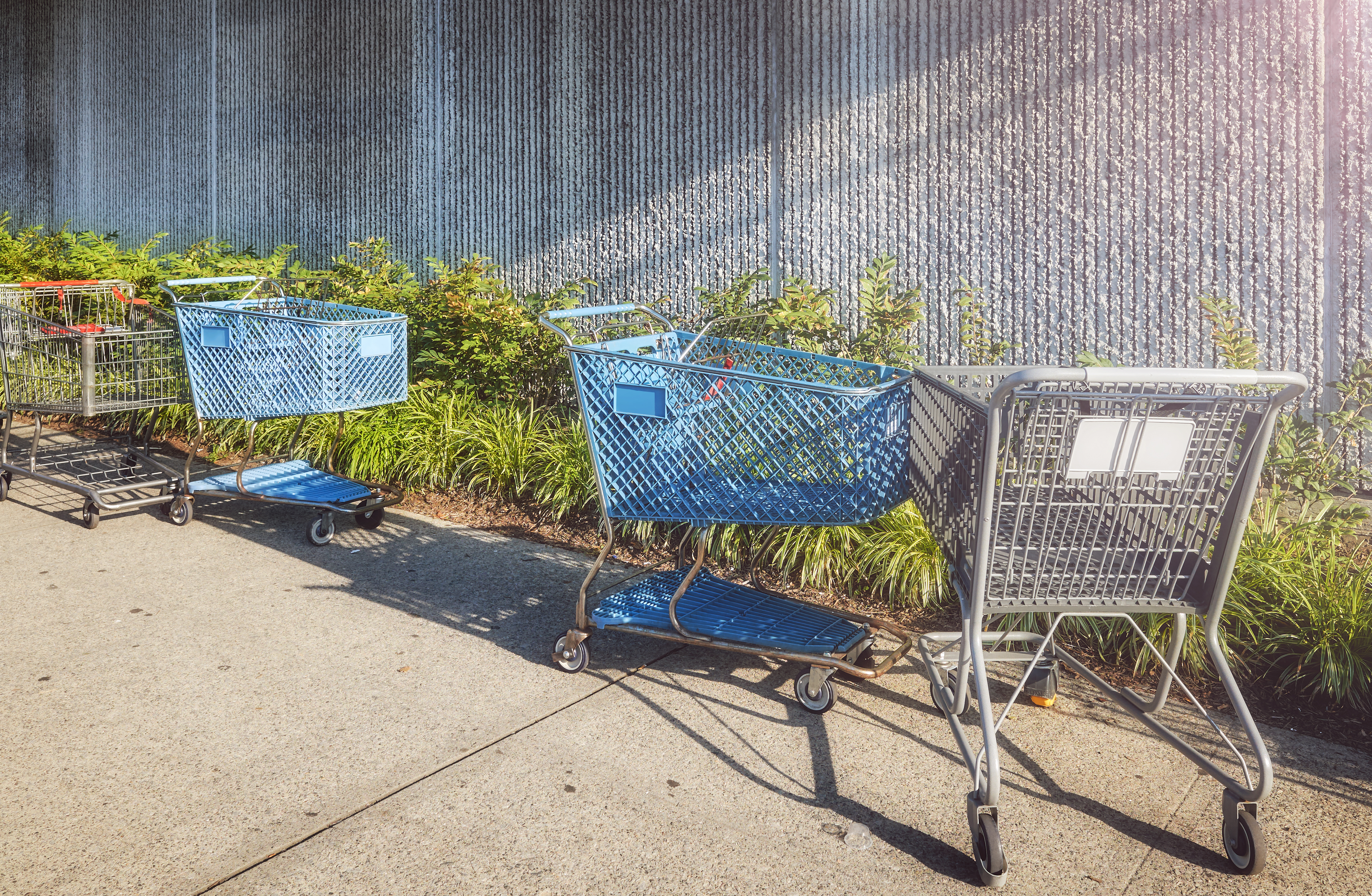
Implementing a predictable trolley control system benefits the environment and your bottom line. Here’s how.
CO2 Reduction in Retail Operations
When trolleys are consistently tracked and retrieved, their environmental impact is reduced. By helping teams locate and recover trolleys faster, retailers can reduce the risk of assets ending up in waterways, public spaces, or landfill, you contribute to a cleaner environment. With fewer replacements needed, CO2 emissions from manufacturing new trolleys are also reduced, supporting your sustainability goals.
Minimising Shopping Trolley Loss
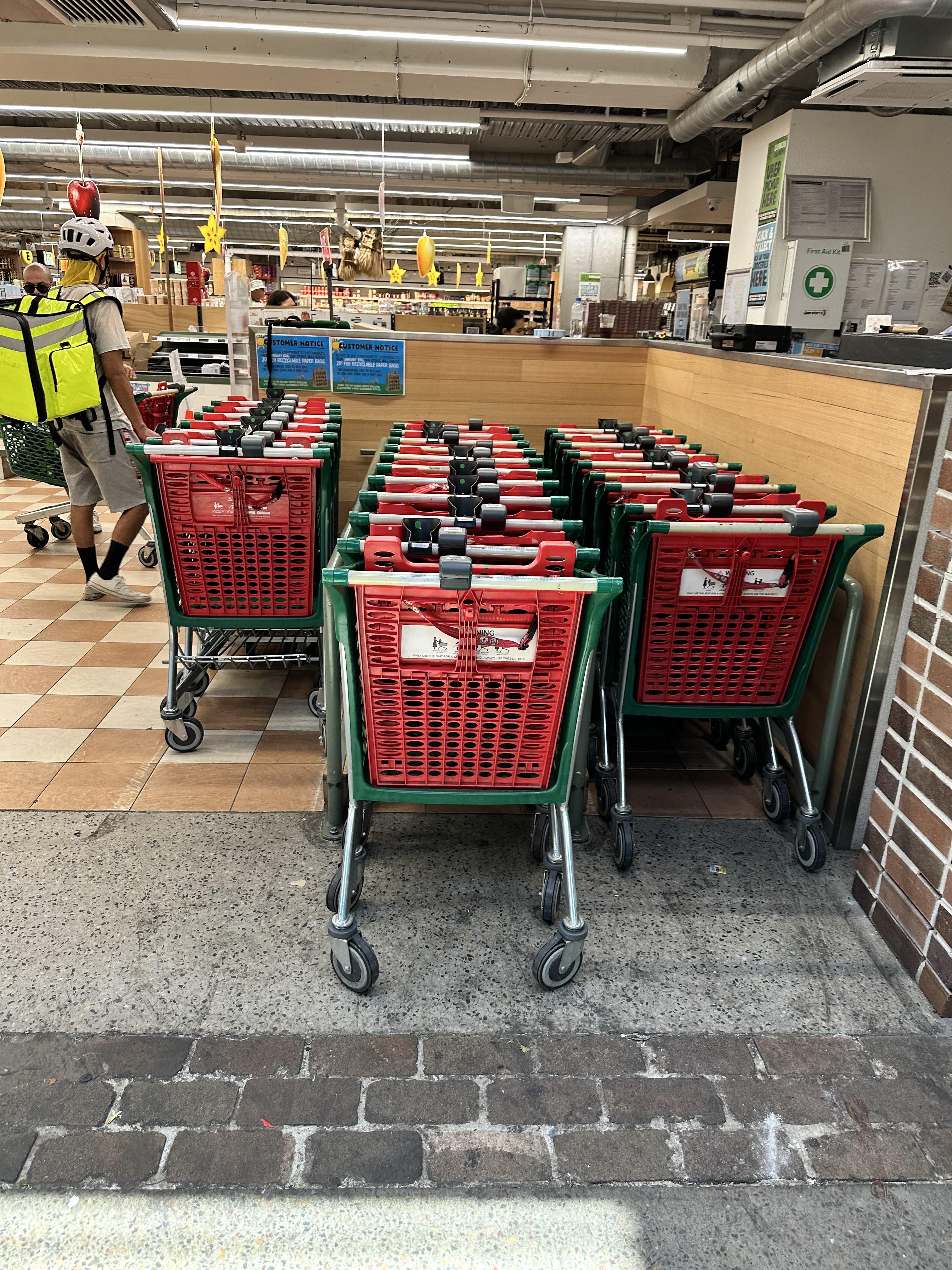
Predictable control can help reduce trolley loss by giving operators clearer visibility, faster recovery paths, and better accountability. With systems in place for tracking and retrieval, the number of lost trolleys can decrease significantly. This reduction not only saves money but also enhances your store’s reputation in the community by preventing abandoned trolleys from becoming an eyesore.
Financial Savings Through Predictable Control
The financial benefits of predictable trolley control are substantial. By reducing loss and labour costs, retailers can save thousands annually. Investing in systems like sMart Track™ and sMart Lock™ pays off by offering a clear return on investment through reduced expenses and improved operational efficiency. Discover more about the financial advantages here.
By implementing these strategies, you can achieve a significant transformation in how your retail operations function. The goal is not only to reduce trolley loss. It is to create a more visible, accountable, and efficient operating model. This isn’t just about reducing trolley loss; it’s about embracing a predictable, efficient, and environmentally friendly model that benefits your business and the community.