Trolley Data Management Network
Retrieve abandoned trolleys and carts
Trolley Lock System
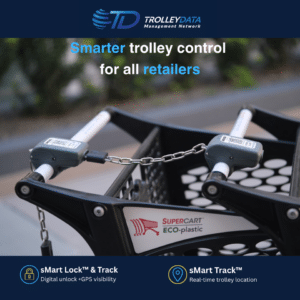
sMart Track™ and sMart Lock™ system, provide two simple solutions to reducing the environmental, social, and financial costs of lost, stolen, and abandoned shopping carts and trolleys.
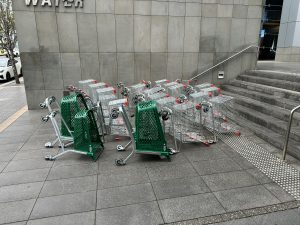
Current practices place the burden on members of the community to report abandoned carts and trolleys. Supermarkets send vehicles to drive around streets trying to find abandoned them, wasting valuable time, money and generating unnecessary co2 emissions.
The sMart Track™ and sMart Lock™ systems allow abandoned trolleys and carts to be quickly located and retrieved.
Abandoned trolleys so far this year
0
*It is estimated that over 100,000,000 shopping trolleys/carts globally are abandoned every year
Trolley environmental impact
The impact of abandoned and stolen shopping trolleys and carts
Pollute streets, parks and waterways. Cause personal and property damage. Labour intensive & expensive to locate and retrieve.
Environmental impact
Thousands of hours are spent every week on trolley and cart collectors driving around (often in diesel burning vehicles) trying to find abandoned trolleys. Each litre of diesel burnt results in 2.6kg of CO2 into the atmosphere. Shopping trolleys and carts dumped in waterways results in hundreds of thousands of tonnes of metal being wasted and negatively impacts fish, plant and wildlife in the area.
Costly to replace
Millions of dollars are spent weekly to track down abandoned trolleys/carts and millions more are spent to replace stolen are damaged trolleys. These costs are passed directly back on to shoppers in higher prices.
Creating Hazards
Abandoned trolleys/carts are often left blocking footpaths, walkways and roads creating a hazard for pedestrians, cyclists and motorists.
client logos?
Latest Updates

The $2B problem: what abandoned trolleys are really costing retailers
Abandoned trolleys cost Australian retailers $2B+ yearly, affecting finances, labour, compliance, and environment. Real-time tracking and predictable control models improve visibility, reduce costs, and boost efficiency.

The $270M trolley problem: Coin locks in a cashless market and the shift to real‑time control
Australian retailers lose $270M annually to abandoned trolleys as coin locks fail in a cashless market. Digital systems with real-time tracking reduce losses, labor costs, and regulatory fines.

Reducing trolley loss in retail: data‑driven control for operational efficiency and environmental gains
Data-driven trolley tracking improves retail operations by reducing losses, labor costs, metal waste, and CO2 emissions, enhancing asset visibility, compliance, and sustainability in supermarkets.