Beyond the Surface: The Hidden Costs of Manual Trolley Recovery in Retail
Manual trolley recovery might seem straightforward, but it’s costing your business far more than just labour hours. Hidden expenses, from lost assets to environmental impact, chip away at your retail asset management budget and operational efficiency. Understanding these unseen costs reveals why relying solely on manual methods falls short and points to how data-driven solutions can bring control and predictability back to trolley loss prevention. For more insights, visit this article.
Financial Strain of Manual Trolley Recovery

Unseen costs in manual trolley recovery can significantly impact your retail operations. Let’s dive into these hidden financial burdens and explore more predictable solutions.
Hidden Retail Asset Management Costs
When you rely on manual methods, hidden costs sneak up on you. Labour hours pile up quickly when staff spend time retrieving trolleys. This isn’t just about wages. It includes overtime and potential injury claims.
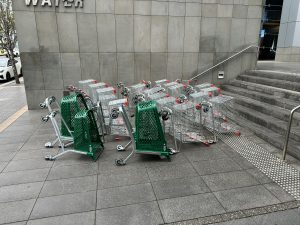
On top of this, lost or damaged trolleys represent a substantial financial loss. Each lost trolley means one less asset serving customers. For example, in Australia, retailers lose over 50% of their trolley fleets annually, costing millions.
To understand this better, consider the environmental cost. Abandoned trolleys contribute to pollution and property damage, pushing expenses even higher. The financial burden here isn’t just direct; it impacts your brand’s reputation.
Impact on Trolley Management Costs
Manual recovery methods can inflate your trolley management costs. It’s not just about retrieving the trolleys but the efficiency or lack thereof – of the process.
For instance, vehicles used in retrieval consume fuel, and maintenance costs can be steep. These aren’t just operational costs; they eat into profit margins, affecting your bottom line.
Moreover, recovery inefficiencies might lead to more trolleys being abandoned, increasing replacement costs. It’s a vicious cycle that can cripple retail asset management.
Data-Driven Alternatives
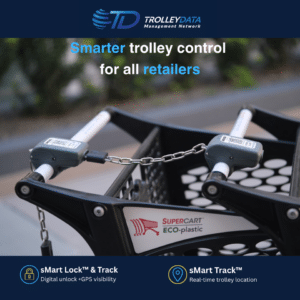
Switching to data-driven alternatives can break this cycle. By using tools like the sMart Track™ system, you gain real-time visibility. This means knowing exactly where your trolleys are, reducing unnecessary retrieval trips.
Such systems provide precise data, helping you make informed decisions. They cut down on manual labour, fuel costs, and replacement expenses. Moreover, they improve operational efficiency, giving you a clear edge.
Explore more on how data-driven approaches can transform your operations here.
Operational Challenges and Efficiency

Operational efficiency is crucial in retail, and manual methods can hinder it. Let’s see how technological solutions enhance your operations and prevent trolley loss.
Manual Recovery vs. Technological Solutions
Manual recovery is laborious and time-consuming. Staff spend hours each day locating and retrieving trolleys, a task that diverts them from customer service.
In contrast, technological solutions offer a smarter way. Systems like sMart Lock™ provide real-time data and reduce retrieval times. They empower your team to focus on more productive tasks, enhancing overall operational efficiency.
Imagine a scenario where your staff uses their time attending to customers rather than hunting trolleys. This shift not only improves customer satisfaction but also streamlines store operations.
Enhancing Operational Efficiency
Boosting operational efficiency is about making smarter choices. By adopting data-driven systems, you reduce the manual workload on your team.
These solutions also provide analytics, enabling you to optimise operations further. You can identify peak times for trolley usage and adjust staffing accordingly. It’s about transforming reactive operations into proactive management.
Furthermore, with fewer manual tasks, you minimise the risk of workplace injuries, ensuring a safer environment for your team. This leads to lower insurance premiums and health-related costs.
Trolley Loss Prevention Strategies
Preventing trolley loss is key to maintaining operational efficiency. Traditional methods often fail due to lack of visibility and control.
Data-driven systems, however, offer a reliable prevention strategy. They track trolleys in real-time, reducing the chances of loss or theft. You can set up alerts for unauthorised movements, ensuring quick action.
By implementing such strategies, you not only prevent loss but also save on replacement costs. Plus, it shows your commitment to efficient asset management, a factor that can improve customer trust and loyalty.
For practical tips on preventing trolley loss, check out this resource.
Environmental Implications of Current Practices

Manual recovery methods come with environmental repercussions. Let’s explore these impacts and how sustainable solutions can make a difference.
Understanding Environmental Impact
Abandoned trolleys contribute to environmental degradation. They clutter streets and waterways, affecting local ecosystems. This isn’t just an eyesore; it’s a serious issue.
Each year, millions of metal trolleys rust away, releasing pollutants into the soil and water. This impacts wildlife and increases clean-up costs for local councils.
Moreover, recovery efforts using petrol or diesel vehicles add to carbon emissions. For every litre of diesel burnt, about 2.6 kg of CO2 is released into the air. This adds up significantly over time.
Sustainable Trolley Management Solutions
Sustainability is becoming a priority in retail operations. Data-driven solutions offer a greener approach to trolley management.
For instance, using electric vehicles for retrieval can cut emissions. Additionally, systems like sMart Lock™ reduce the need for frequent retrievals, further lowering your carbon footprint.
By adopting these solutions, you contribute to environmental sustainability and improve your brand image. It shows customers that you care about the planet and are taking concrete steps to protect it.
Reducing Carbon Footprint with Data-Driven Solutions
Data-driven solutions significantly reduce your carbon footprint. By optimising retrieval routes and reducing unnecessary trips, you cut down on emissions.
These systems also allow you to track and manage trolleys more efficiently, lessening the need for replacements and thus conserving resources.
The longer you wait to switch to sustainable options, the more your environmental impact grows. Make the change today and see the difference it brings to your operations and the planet.
For more on sustainable practices in retail, visit this link.
In conclusion, transitioning from manual to data-driven trolley recovery solutions is not only beneficial for your business but also for the environment. Embrace these changes to enhance operational efficiency, reduce costs, and contribute positively to the community.
Read how retailers are reducing trolley loss