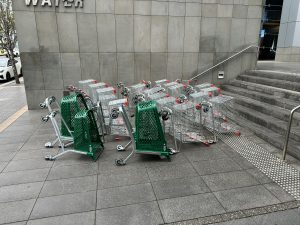
Trolley loss is often treated as a recovery problem.
A trolley goes missing.
A staff member or contractor is sent to look for it.
The trolley is collected if it can be found.
Then the cycle repeats.
The problem with this approach is simple: recovery does not explain why the trolley was lost, where the pattern started, or how often the same issue is happening across the network.
For retailers managing multiple sites, trolley loss is not just an asset issue. It is a visibility issue, a labour issue, a compliance issue, and a cost-control issue. Read more here.
The Systematic Approach to Trolley Control
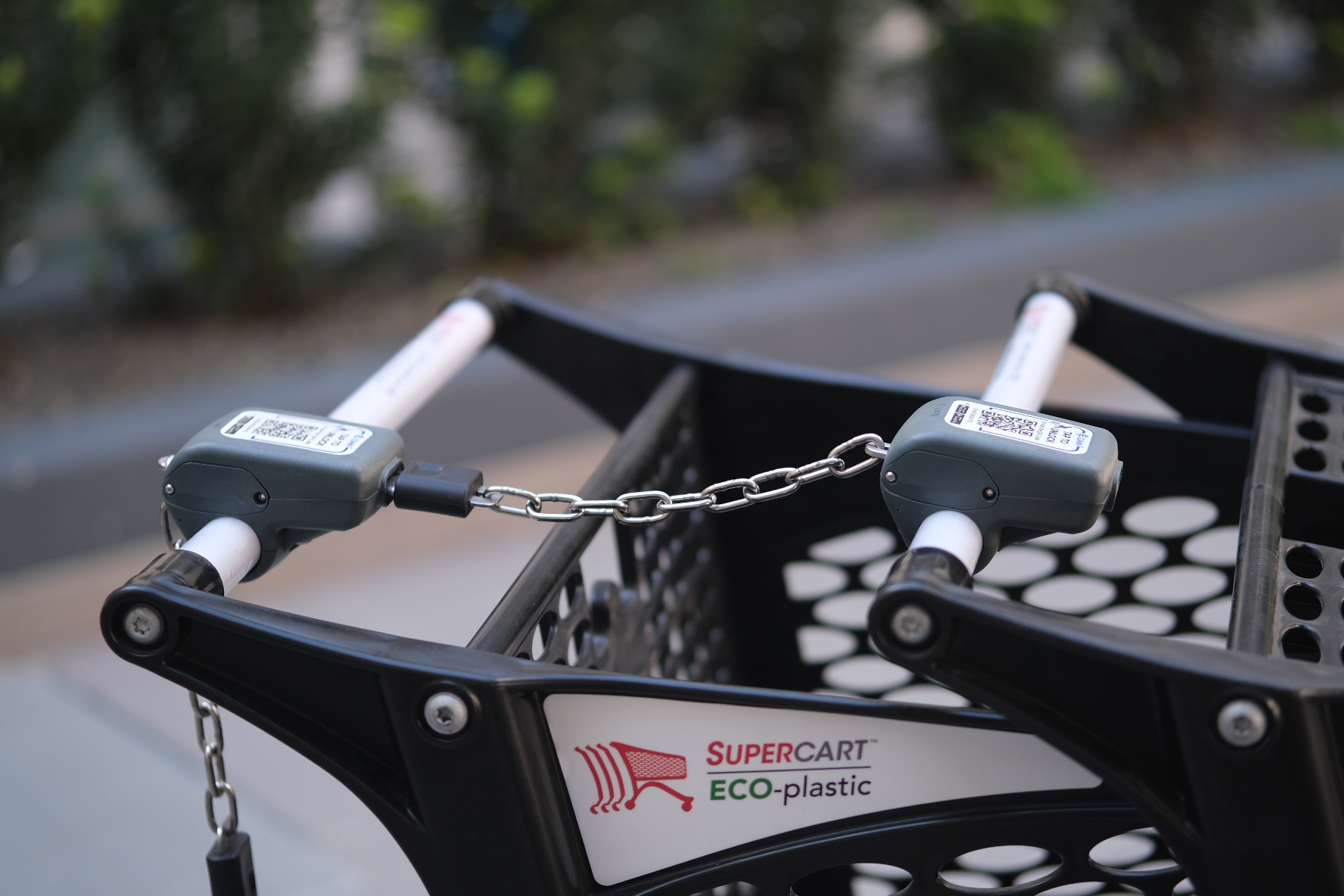
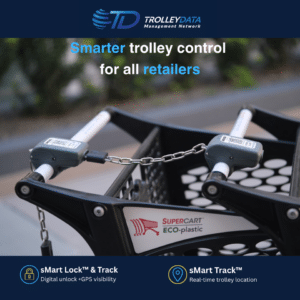
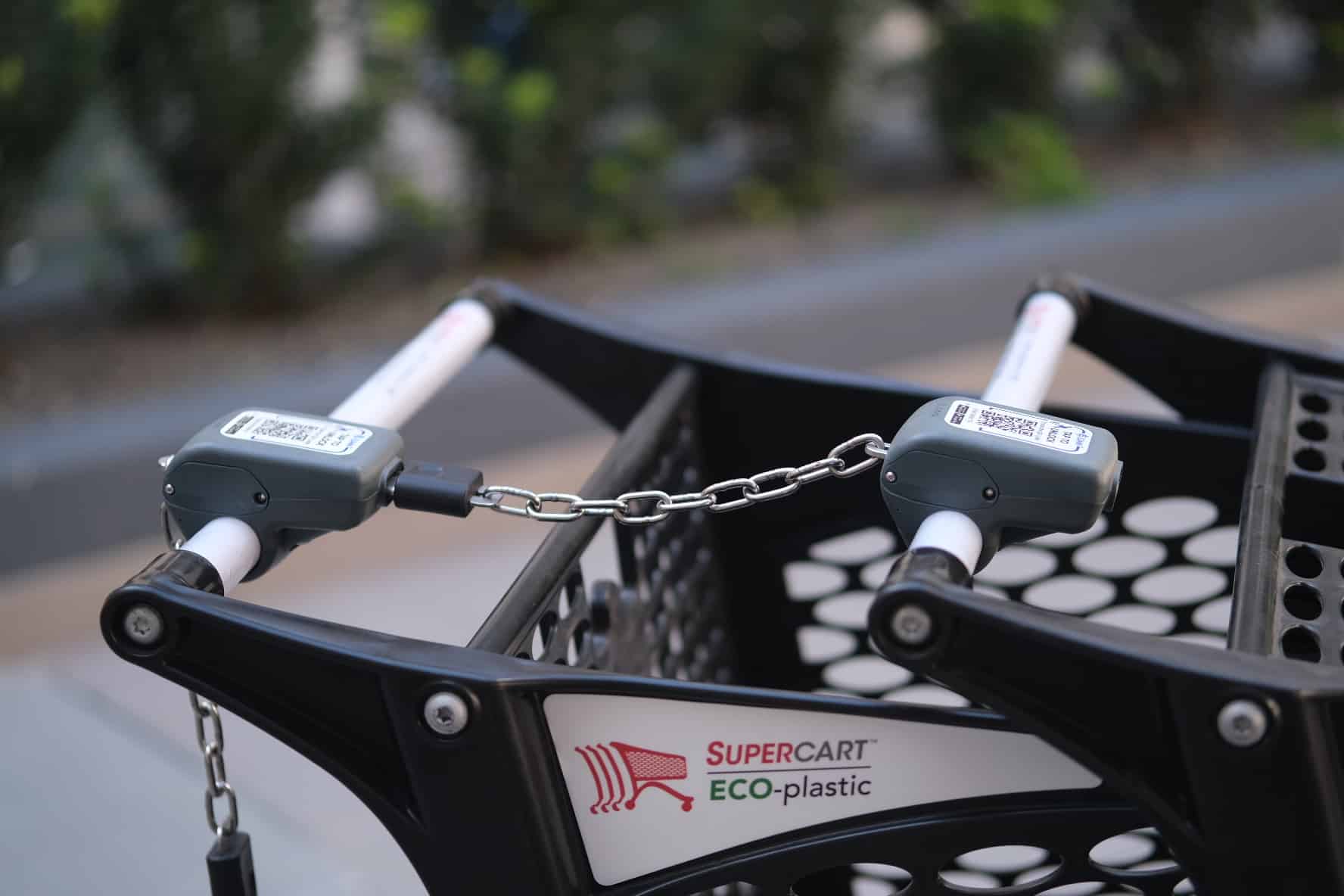
TDMN’s sMart Lock™ gives retailers digital trolley access, return visibility, and stronger control over every trolley in the fleet.
The problem with isolated fixes
Many trolley control strategies focus on one part of the problem.
A coin lock may encourage some customers to return a trolley.
A wheel lock may stop some boundary breaches.
A collection contractor may recover abandoned trolleys.
Manual audits may provide a snapshot of fleet condition.
Each of these may help in a limited way, but none of them gives the retailer a complete operating picture.
That is where trolley control often breaks down.
If a retailer cannot see where its trolleys are, when they leave the site, how often they are abandoned, or how long recovery takes, the business is still relying on guesswork.
And guesswork is expensive.
Trolley loss creates hidden labour cost
The cost of trolley loss is not limited to replacement trolleys.
It also creates wasted labour hours.
Store teams spend time checking bays, walking car parks, responding to complaints, searching surrounding streets, coordinating recovery, and following up with contractors.
Across one store, this may look manageable.
Across a multi-site retail network, it becomes a recurring operational cost.
The issue is not that teams are not working hard enough. The issue is that they are often working without the visibility they need.
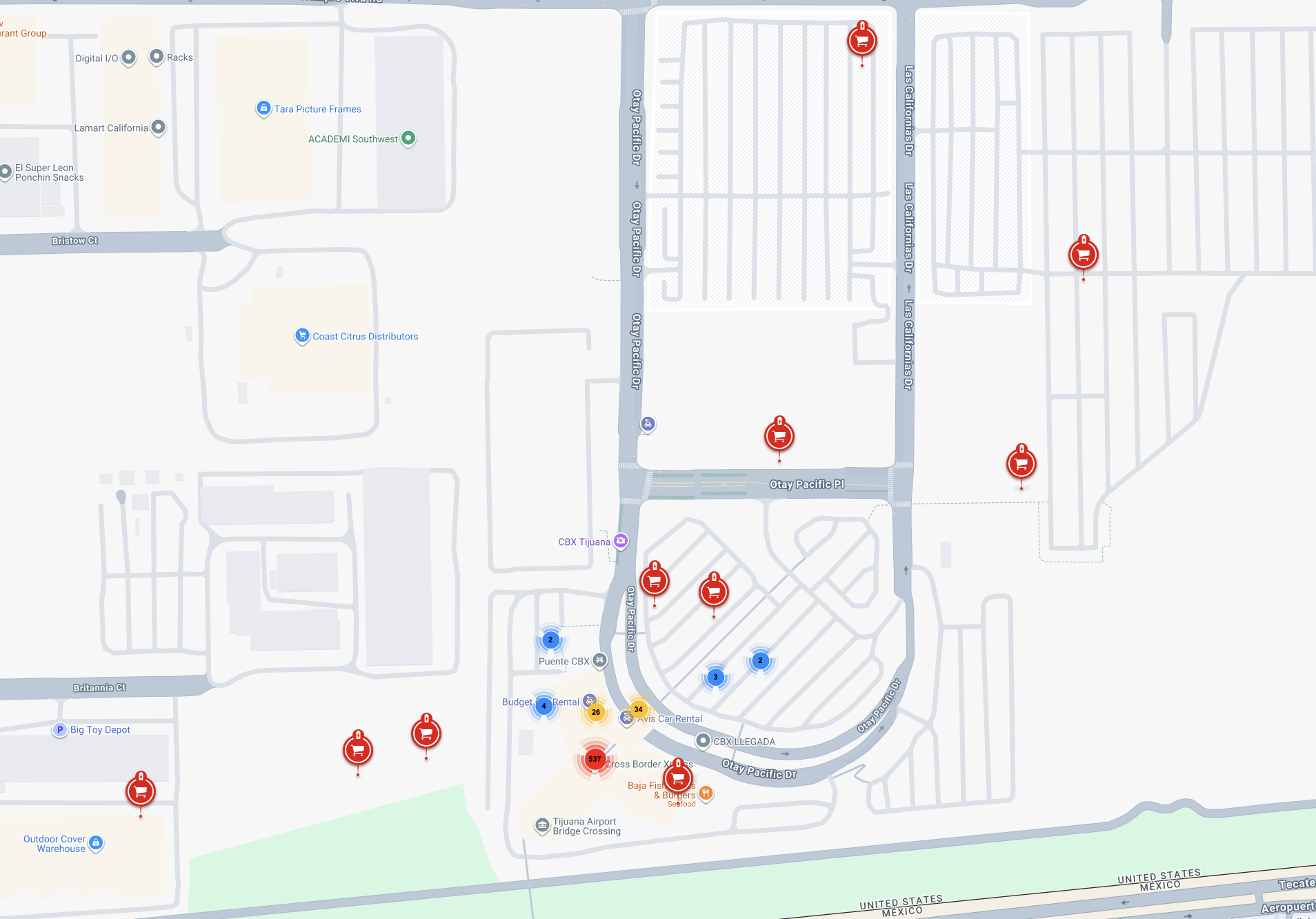
Real-time trolley location data changes that.
When teams can see where assets are, they can recover faster, plan collection routes more efficiently, and reduce time wasted searching blindly.
Trolley visibility reduces labour cost
Why visibility comes before control
You cannot control what you cannot see.
A system view of trolley control starts with visibility.
Retailers need to know:
-
where trolleys are located
-
which areas are creating repeat abandonment issues
-
which sites are experiencing higher loss patterns
-
how long assets remain outside controlled areas
-
how quickly recovery is happening
-
whether current collection processes are working
This information gives operations teams a much stronger foundation for decision-making.
It also moves trolley management from reactive recovery to planned control.
The role of sMart Track and sMart Lock
TDMN’s sMart Track and sMart Lock technologies are designed to give retailers better control over their trolley fleets.
sMart Track provides location visibility, helping teams identify where trolleys are and recover them more efficiently.
sMart Lock adds a stronger layer of control by linking trolley access to a digital unlock and return process.
Together, they help retailers move beyond isolated fixes and into a more structured operating model.
That means better visibility, stronger accountability, fewer blind spots, and more useful data for store teams and senior operators.
Council compliance and community impact
Abandoned trolleys are not just a retail inconvenience.
They affect streets, parks, waterways, car parks, neighbouring businesses, councils, and local communities.
When retailers have better visibility of their trolley fleet, they are better positioned to respond quickly, reduce complaints, and demonstrate responsible asset management.
This matters where councils are increasing pressure on retailers to manage abandoned trolleys more effectively.
A system view helps retailers show that they are not just reacting to complaints, but actively managing the issue.
Environmental impact also matters
Every lost or abandoned trolley carries an environmental cost.
There is the cost of replacement.
The cost of recovery runs.
The impact of trolleys ending up in waterways or public spaces.
The waste created when assets are damaged, dumped, or never recovered.
Better trolley visibility helps reduce unnecessary recovery trips, improve asset utilisation, and support more sustainable fleet management.
That is good for the retailer, the community, and the environment.
Implementing a Structured Control Model
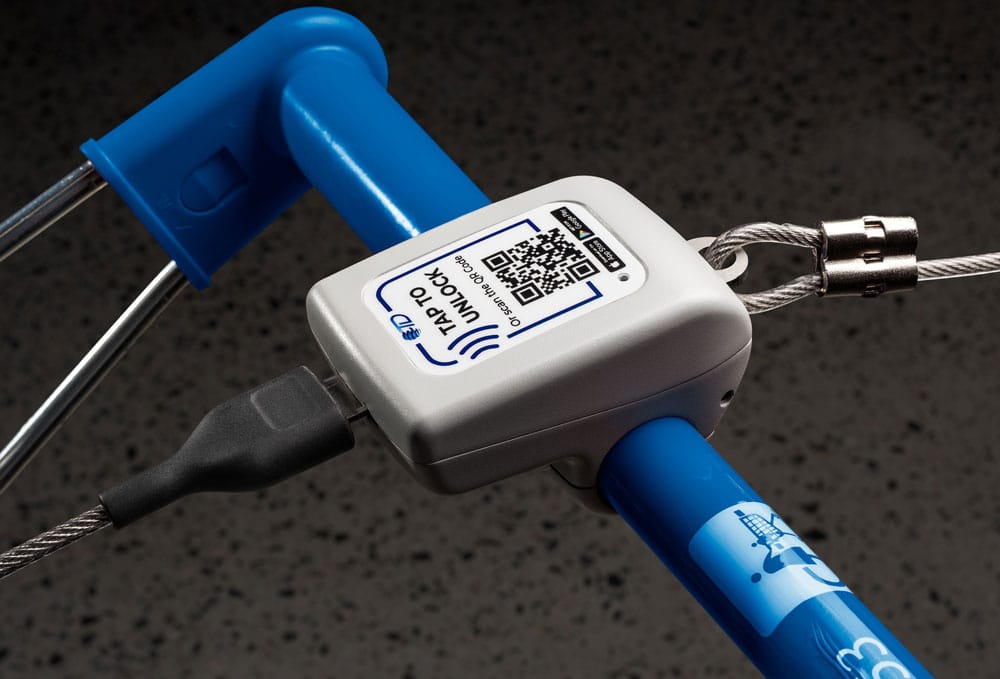
To achieve these benefits, implementing a structured control model is essential. This involves setting clear operational KPIs and utilising advanced monitoring tools.
What good trolley control should deliver
A modern trolley control system should do more than react after a trolley is lost.
It should help retailers:
-
see where their trolley fleet is
-
reduce wasted recovery time
-
identify repeated loss patterns
-
improve collection planning
-
support council compliance
-
reduce replacement costs
-
give store teams better tools
-
provide senior operators with useful reporting
That is the difference between isolated fixes and system-level control.
Final thought
Trolley loss is not solved by looking at one trolley, one bay, one contractor, or one store in isolation.
It is solved by building visibility across the whole operating model.
Retailers that can see the full asset picture are better placed to control loss, reduce wasted labour, improve compliance, and protect margin.
Book a complimentary fleet performance diagnostic to see where your trolley control model may be leaking time, money, and visibility.