Reducing trolley loss through data led asset control: from reactive recovery to predictable operations
Trolley loss isn’t just about stolen carts or poor retrieval, it’s a failure in how the system tracks and controls assets. Your current reactive recovery drains labour hours and creates community headaches without addressing root causes. This post outlines how a data-led asset control model, using real-time visibility and clear KPIs, shifts trolley loss reduction from guesswork to predictable supermarket operations. For more insights, check out our resources.
Data-Led Asset Control

In today’s retail world, controlling assets is key to keeping costs down and operations smooth. Traditional methods might seem cost-effective but often fail to tackle the real issue of asset mismanagement. Moving to a data-led model offers a sustainable solution.
Understanding Trolley Loss
Trolley loss isn’t just a retail nuisance; it represents significant financial and environmental costs. Retailers lose millions annually due to misplaced trolleys. These losses aren’t just about the cost of the trolleys but include retrieval efforts and environmental impact. Communities also feel the strain, seeing abandoned trolleys littering streets and waterways. A data-driven model can pinpoint exactly where losses occur, helping you address these problems at their source.
Shifting from Recovery to Predictability
Most retailers react to trolley loss after it occurs. But what if you could predict and prevent it? It’s time to move from recovery to a model where loss is predictable and manageable. Predictability means fewer retrieval missions and a reduction in associated costs. With data insights, you can plan for potential loss hotspots and allocate resources more effectively, reducing the overall impact on your operations.
Benefits of Real-Time Visibility
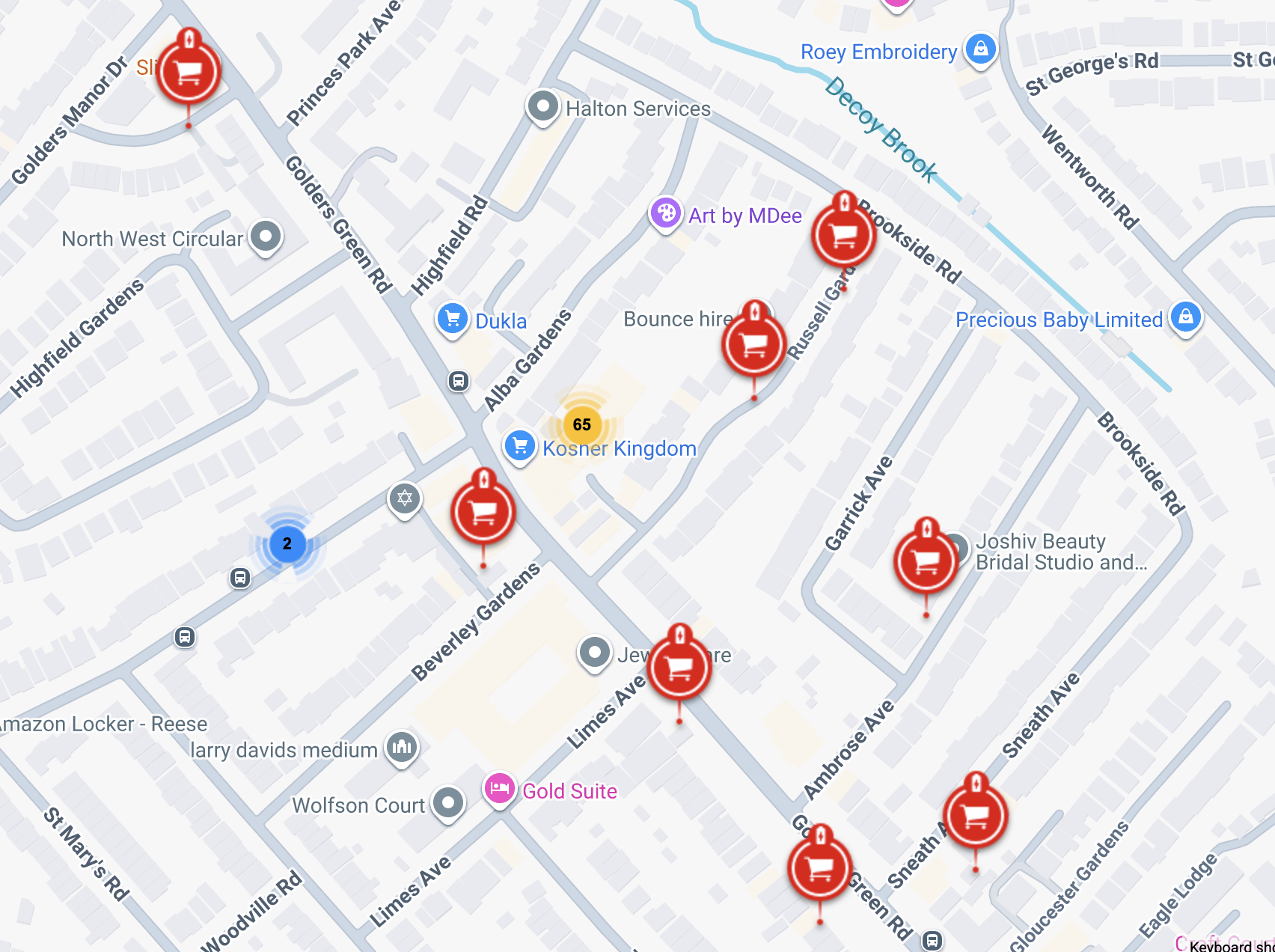
When you can see your assets in real-time, every decision becomes more informed. Real-time data allows you to monitor and control your trolley fleet, reducing unnecessary retrievals and improving operational efficiency. Imagine knowing exactly where every trolley is at any moment; it’s a game-changer. Retailers adopting this model have seen up to an 80% reduction in loss, translating into significant cost savings and improved community relations.
Components of a Predictable System
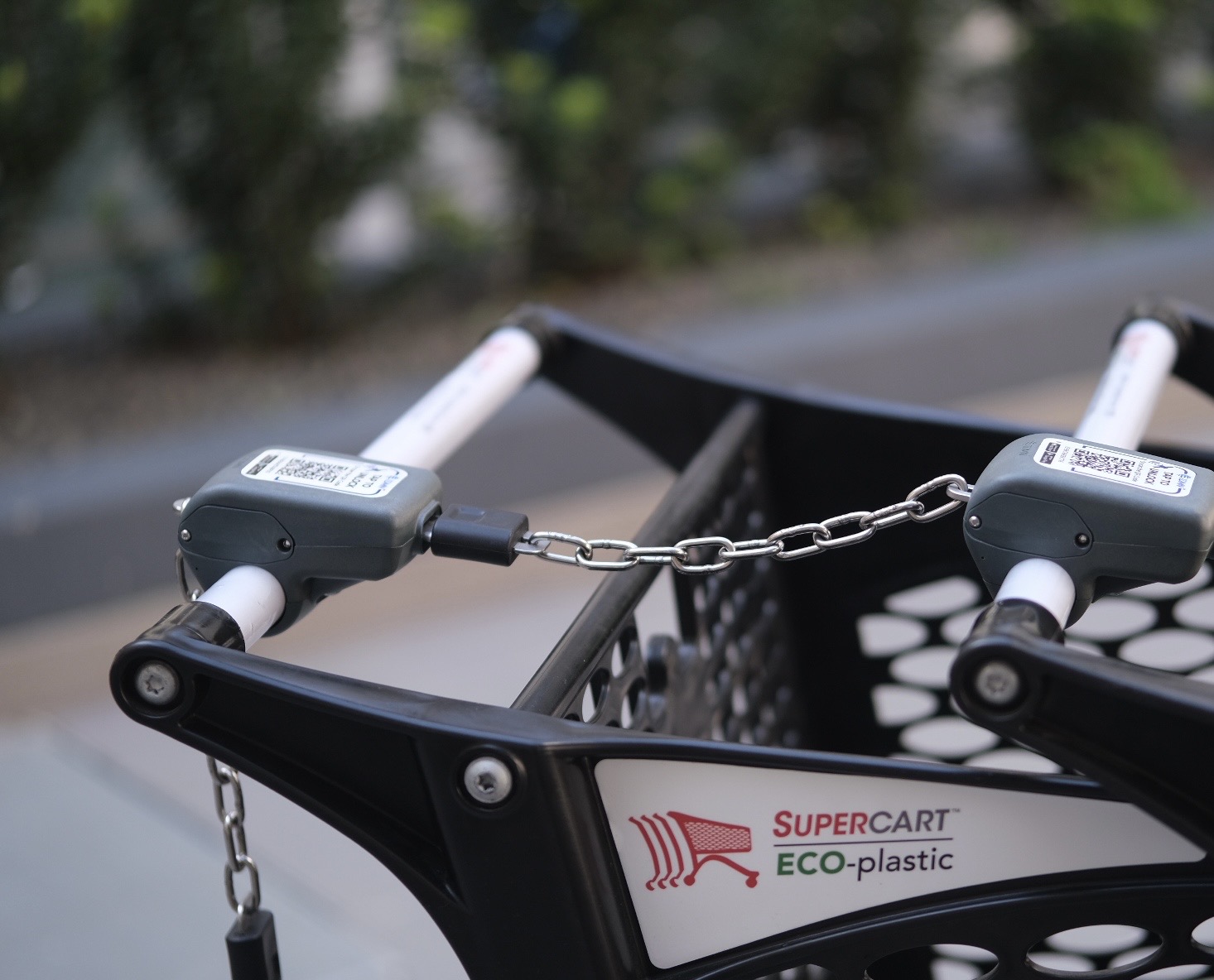
The foundation of a predictable system lies in combining technology with strategic planning. By integrating state-of-the-art tools, you can transform how assets are managed and tracked.
sMart Track and sMart Lock Features
sMart Track and sMart Lock are not just tools; they’re essential components of effective asset management. sMart Track provides each trolley with a unique identity, enabling precise location tracking. With this, you can cut search times significantly. Meanwhile, sMart Lock revolutionises how trolleys are accessed, eliminating the need for coins and reducing theft. Together, these tools ensure assets are never truly lost, just temporarily misplaced.
Implementing Mobile Asset Control
Mobile asset control is about taking asset management to the next level. With mobile solutions, staff can track and manage trolleys from smartphones, ensuring quicker response times and better oversight. The convenience of mobile access means your team can address issues immediately as they arise, keeping operations running smoothly. It’s a nimble, responsive approach that fits well with the fast-paced retail environment.
Establishing Retail Operations KPIs
Key Performance Indicators (KPIs) are critical for measuring success and guiding improvement. For trolley management, KPIs might include retrieval times, loss rates, and customer satisfaction scores. By setting clear KPIs, you create a framework for accountability and progress. Regularly reviewing these metrics helps ensure that your strategies are effective and that you’re continually moving towards operational excellence.
Achieving Operational Efficiency
Efficiency in operations isn’t just about speed; it’s about reducing waste and maximising resources. With the right systems in place, you can achieve substantial gains.
Reducing Labour Costs and Environmental Impact
By implementing a robust asset control system, labour costs associated with trolley retrieval can be reduced by up to 30%. This isn’t just about saving money; it’s about liberating staff to focus on more valuable tasks. Moreover, fewer trolleys left abandoned means a smaller environmental footprint. Reducing the number of lost trolleys directly cuts down on the need for replacements, which in turn lessens environmental strain.
Ensuring Council Compliance and Community Satisfaction
Retailers often face fines and community backlash over abandoned trolleys. By maintaining better control, you can ensure compliance with local council regulations. This not only avoids fines but also fosters goodwill with the community. When residents see fewer trolleys cluttering their streets, they recognise the retailer’s commitment to community and environmental well-being.
Measuring Success and Continuous Improvement
Continuous improvement is the cornerstone of successful operations. With a data-driven model, you can measure success accurately and make informed decisions. Regular assessments allow for adjustments that keep the system dynamic and effective. As data accumulates, new insights emerge, providing fresh opportunities for refinement and efficiency.
By embracing a data-led approach, your operations can shift from reactive to predictive, ensuring more efficient, compliant, and environmentally friendly asset management. The longer you wait to adopt these strategies, the more opportunities for savings and improvement pass by. Take control of your assets and transform the way you manage trolleys today. For more insights on implementing these strategies, explore this detailed guide.