Revolutionising Retail Operations with Real-Time Asset Data
Real-time asset data reshapes how you manage retail operations, shifting focus from reacting to losses to controlling assets with precision. This shift cuts costs, tightens retail asset control, and reduces environmental impact through smarter trolley management solutions. In this post, you’ll see how data-driven decision-making brings predictability and control to complex retail environments. Learn more about the impact of real-time data analysis on operational efficiency here.
Enhancing Retail Operations with Asset Data
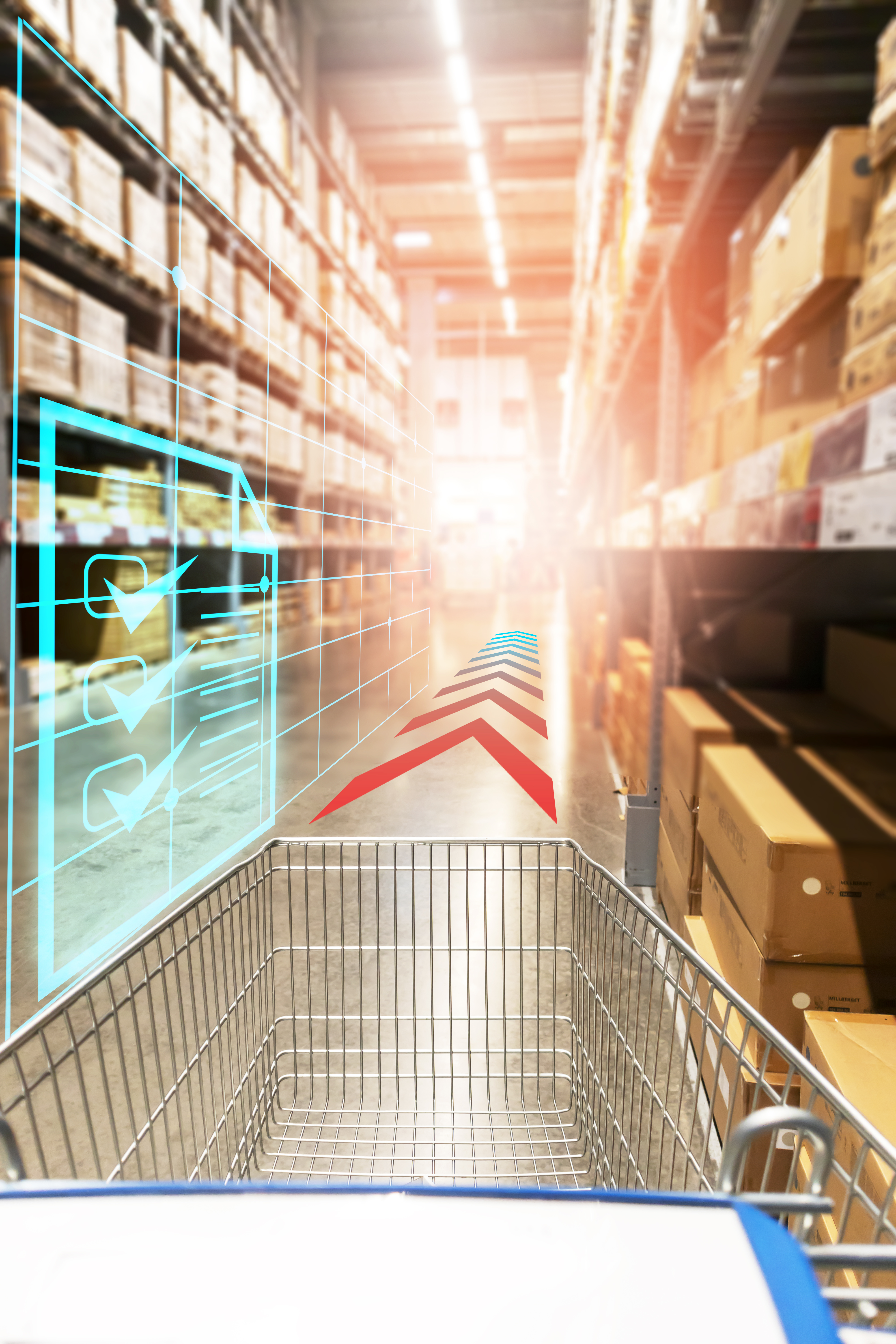
Real-Time Data’s Impact on Decisions
Real-time data is a game changer for retail operations. You no longer need to rely on outdated methods that cost time and money. With instant insights, decisions become precise and timely. This approach ensures you’re always ahead in managing assets.
Consider this: a retailer using real-time data can predict stock needs accurately. This prediction means less overstock and fewer empty shelves, improving customer satisfaction. A report highlights that businesses using real-time data saw a 20% increase in operational efficiency. This efficiency leads to happier customers and a smoother operation.
Moreover, understanding where your resources are and how they’re used enhances your control. It empowers you to make informed decisions quickly. Curious about how this can transform your business? Read more here.
Improving Operational Control and Predictability
With real-time data, you’re not just reacting; you’re predicting. This shift from reactive to proactive enhances control over your assets. Every decision is backed by accurate information, reducing risks and unforeseen issues.
Imagine knowing when a shopping trolley leaves its designated area. Immediate alerts allow quick retrieval, saving costs and keeping assets in check. This kind of data-driven oversight boosts operational predictability. It’s not just about managing resources; it’s about anticipating needs and changes. This proactive approach sets your business apart, creating a reliable and efficient system.
Cost Reduction Through Data-Driven Management
Identifying Cost-Saving Opportunities
Reducing costs is a top priority for any business. With data-driven management, you’ll uncover hidden opportunities to save money. Real-time insights highlight wasteful practices, allowing you to cut unnecessary expenses.
For instance, tracking trolley usage patterns can reveal inefficiencies. Perhaps certain trolleys are frequently abandoned far from store entrances. By addressing these patterns, you minimise retrieval costs and improve asset availability. The longer you wait to adopt such systems, the more potential savings you miss.
This approach not only saves money but also boosts your bottom line. As you streamline operations, you’ll notice significant improvements in overall profitability.
Streamlining Asset Management Processes
Streamlining processes is about making everything run smoothly. Real-time data helps automate tasks, reducing manual labour and errors. You spend less time managing assets and more time focusing on growth.
Picture this: a system that alerts you when maintenance is due, ensuring assets are always in top condition. This proactive maintenance reduces downtime and extends asset life. It’s a win-win for efficiency and cost-effectiveness.
Moreover, by automating these processes, you free up valuable resources. Your team can focus on strategic tasks instead of mundane ones, driving innovation and progress within your organisation.
Environmental Benefits of Asset Tracking
Reducing Carbon Footprint
Embracing asset tracking has a positive impact on the environment. By optimising usage and reducing waste, you contribute to a healthier planet. Less waste means fewer resources needed, directly lowering your carbon footprint.
Consider the environmental cost of manufacturing new trolleys due to loss or damage. By managing assets effectively, you reduce the need for replacements, conserving materials and energy. This approach aligns with broader sustainability goals, appealing to eco-conscious consumers.
Promoting Sustainable Practices in Retail
Sustainability isn’t just a trend; it’s a necessity. Asset tracking supports sustainable practices by improving resource efficiency. Retailers can monitor usage, adjust strategies, and reduce unnecessary consumption.
This proactive stance not only benefits the environment but also enhances your brand’s reputation. Customers appreciate businesses that prioritise sustainability, fostering loyalty and trust. Implementing such practices positions your retail operation as a responsible and forward-thinking leader in the industry.
In summary, integrating real-time asset data into your operations transforms how you manage resources, reduces costs, and supports environmental goals. By adopting these practices, you ensure a sustainable and efficient future for your business.