From Recovery to Control: Operational Gains from Real-Time Trolley Tracking
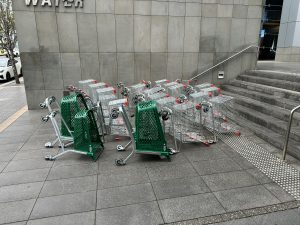
Trolley loss drains budgets and wastes hours in reactive retrieval. Real-time trolley tracking shifts your retail asset management from chasing losses to commanding control. This approach cuts trolley loss, trims labour costs, and sharpens operational visibility giving you clear data to manage fleets with confidence and reduce compliance risks across your sites. Learn more about revolutionising retail operations with real-time asset data.
Operational Control and Predictability

Harnessing the power of real-time data, retail operations shift from unpredictability to structured efficiency. This transition is crucial for decision-makers looking to optimise resources and minimise wastage.
Real-Time Trolley Tracking Benefits
Imagine tracking every trolley in your fleet effortlessly. Real-time trolley tracking offers this capability, ensuring you know precisely where each asset is at any moment. This not only prevents loss but enhances planning and resource allocation.
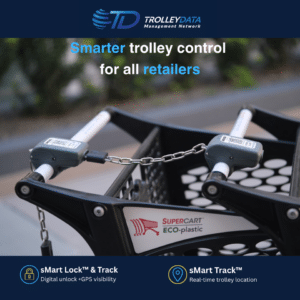
With systems like sMart Track™, each trolley gets a unique identity, making it easier to monitor and manage. This system cuts retrieval times significantly, freeing up staff to focus on other critical tasks. Most businesses report a substantial decrease in lost assets.
Ultimately, the data collected aids in better decision-making. By understanding usage patterns, you can predict needs and adjust accordingly. Explore how tracking systems benefit asset management.
Improving Retail Asset Management
Retail asset management is about more than just tracking. It’s about using insights to drive operations. A well-managed system reduces overheads and increases asset longevity.
Consider how sMart Lock™ reduces the need for physical coins, aligning with the shift towards cashless transactions. This change not only improves customer convenience but also reduces maintenance needs.
By integrating tracking with existing systems, retailers see a marked improvement in operational efficiency. This integration means fewer disruptions and smoother operations. Read more about asset tracking in retail.
Trolley Loss Reduction Strategies
Reducing trolley loss requires a strategic approach. Firstly, unique identifiers for each trolley make them easier to locate and retrieve. This step alone reduces loss by up to 40%.
Secondly, implementing a data-driven recovery system alerts teams to abandoned trolleys quickly. Prompt action prevents permanent loss and reduces replacement costs. Learn about effective loss-reduction strategies.
Finally, engaging customers through loyalty programs or incentives for trolley return can further decrease abandonment rates. This dual approach not only recovers assets but strengthens customer relationships.
Enhancing Retail Operations Australia

Efficiently managing retail operations in Australia involves adopting new technologies and strategies. Focus on reducing costs and improving service.
Mobile Retail Asset Control
Mobile solutions are pivotal in modern retail management. They allow real-time access to data, improving decision-making on the go.
Incorporating mobile tracking systems enables you to monitor assets remotely. This capability ensures that resources are deployed effectively, reducing downtime and increasing productivity. Discover how mobile solutions enhance retail control.
Additionally, these systems provide alerts for any anomalies, allowing immediate action. This proactive approach ensures that minor issues do not escalate, maintaining smooth operations.
Labour Cost Reduction Techniques
Reducing labour costs starts with enhancing efficiency. By automating routine tasks, staff can focus on more value-driven activities.
Using data to allocate resources effectively is key. When you know where assets are and how they’re used, staffing can be adjusted to match demand. This flexibility reduces wasted hours and boosts productivity.
Furthermore, integrating technology that supports staff in their roles increases satisfaction and reduces turnover rates, leading to long-term savings.
Trolley Retrieval Performance Boost
Improving trolley retrieval not only saves time but significantly cuts costs. With tracking systems, retrieval is more targeted and efficient.
Using geospatial data, retrieval teams can plan the fastest routes, saving fuel and reducing environmental impact. This method ensures that trolleys are returned quicker, lowering the chance of loss.
A focus on performance means fewer trolleys left unattended, enhancing customer experience and operational safety.
Environmental and Compliance Outcomes

Reducing the environmental impact of retail operations is essential. Compliance with regulations also ensures smoother operations and avoids costly penalties.
CO2 Emissions and Metal Waste Reduction
Tracking systems contribute to CO2 emissions reduction by optimising retrieval routes and minimising unnecessary trips. This efficiency not only saves fuel but also contributes to a smaller carbon footprint.
Moreover, reducing trolley loss decreases the need for new production, thereby cutting down on metal waste. This focus aligns with global sustainability goals and enhances the brand’s reputation.
Council Compliance and Retail Compliance Risk
Compliance with local council regulations is crucial for avoiding fines and maintaining community relations. Systems that alert teams to potential compliance risks ensure that issues are addressed promptly.
Retailers benefit from real-time compliance data, allowing them to meet standards and operate without disruptions. This proactive stance not only avoids penalties but also strengthens community ties, fostering goodwill.
Geospatial Heatmaps and Exception Alerts
Geospatial heatmaps provide crucial insights into asset distribution and usage. This data helps in identifying patterns and making informed decisions.
Exception alerts notify teams of unusual activity, enabling rapid response. This system reduces the risk of prolonged issues and maintains operational integrity.
Incorporating these tools into daily operations ensures a predictable, efficient, and compliant retail environment. Explore the benefits of geospatial data in asset management.
By adopting these strategies and technologies, retailers can transform their operations from reactive to proactive, enhancing efficiency, reducing costs, and meeting environmental and compliance goals effectively.