From Reactive Recovery to Proactive Control: Transforming Retail Operations
Reactive recovery has long been the default for trolley management in retail operations, but it drains resources and leaves gaps in control. Shifting to proactive control offers a clear path to reducing costs, improving asset management, and meeting sustainability goals. This new model, powered by TDMN’s proprietary systems, delivers real-time visibility and predictable outcomes, redefining how retailers manage their mobile assets at scale.
Shifting to Proactive Control
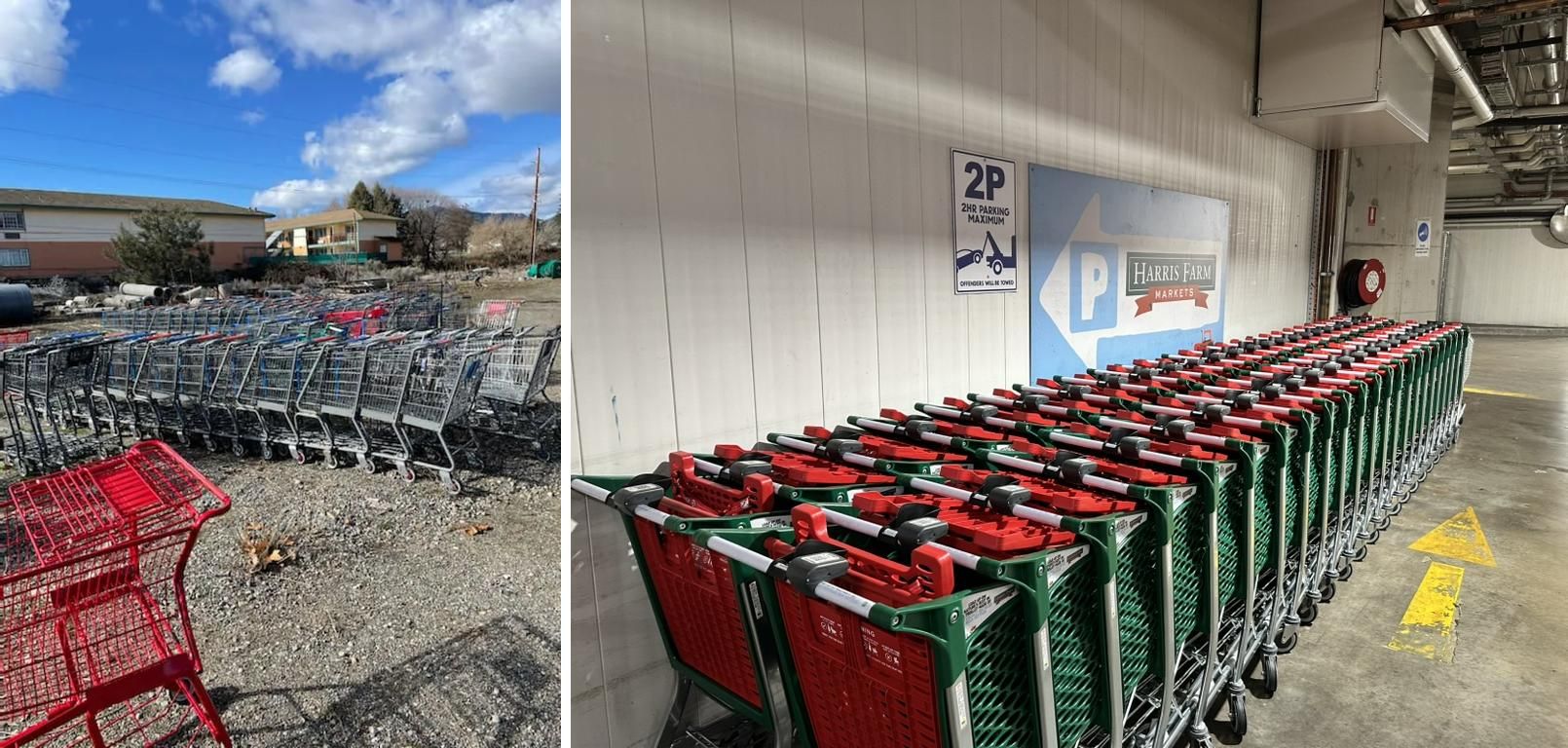
Transitioning from reactive to proactive strategies marks a significant shift in trolley management. This approach prioritises foresight and planning, which leads to better outcomes for retailers.
Benefits of Proactive Control
Imagine having real-time insights into your trolley fleet. Proactive control offers just that. By knowing the exact location and status of every trolley, you can streamline operations and avoid costly surprises. For example, with TDMN’s systems, a store manager can identify a missing trolley within minutes, reducing loss by up to 80%.
Moreover, proactive control reduces manual labour. Instead of sending out teams to hunt for trolleys, staff can focus on more critical tasks. This boost in productivity translates to lower operational costs and higher efficiency. Most people think reactive measures suffice, but proactive systems prove otherwise by offering a more robust solution.
Limitations of Reactive Recovery
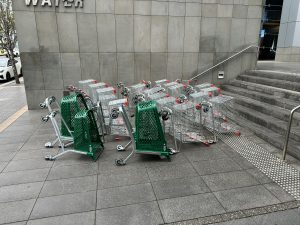
Reactive recovery often feels like playing catch-up. You’re always one step behind, trying to solve problems after they’ve happened. This method ties up resources and can lead to significant costs over time. For instance, a reactive approach might mean losing trolleys valued at $348 million annually in Australia alone.
Furthermore, relying on community reports for missing trolleys is unpredictable and inefficient. This approach not only strains relationships with the local community but also fails to provide a consistent solution. In the long run, reactive recovery is both time-consuming and ineffective.
Enhancing Retail Operations
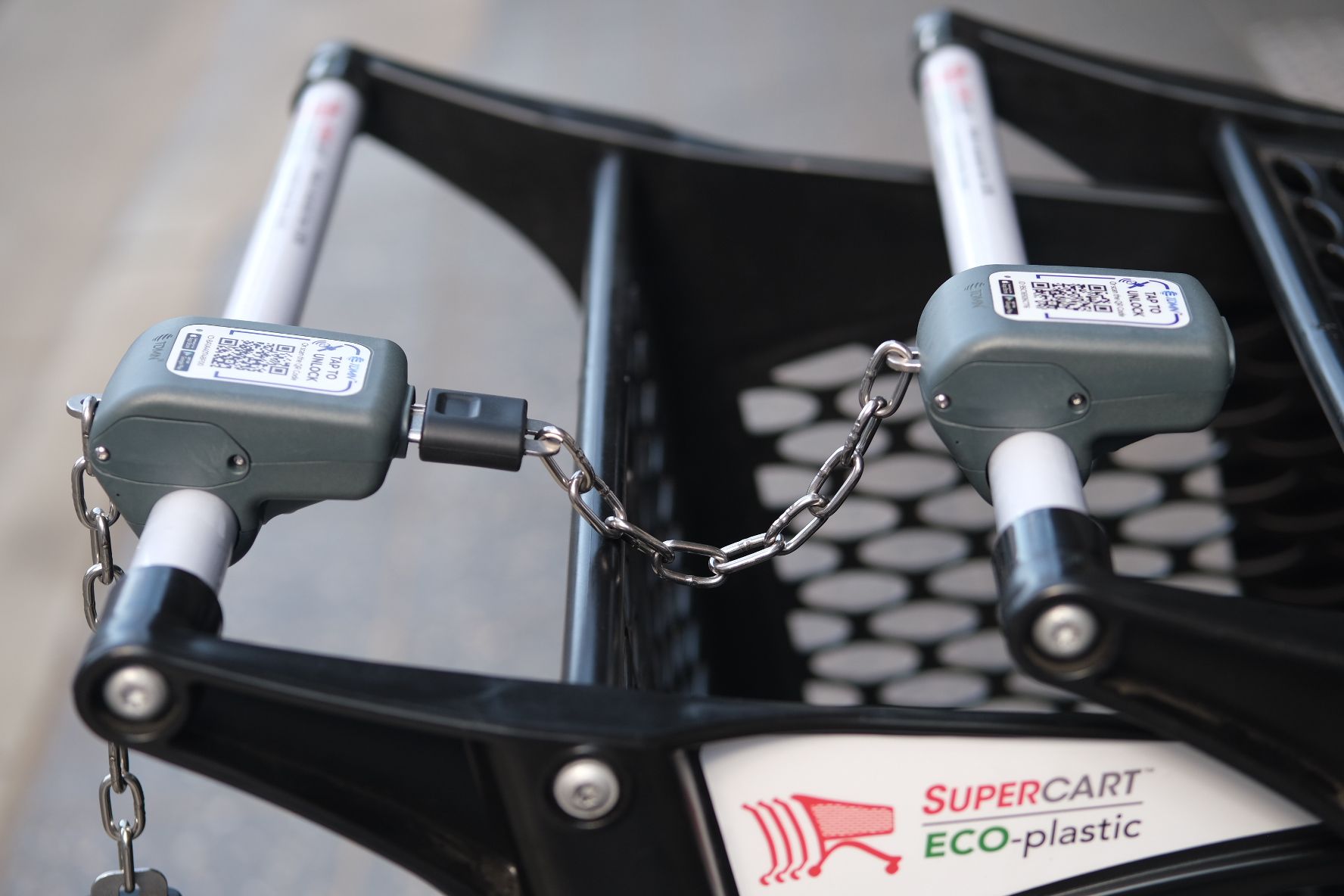
By shifting to proactive control, you can enhance overall retail operations. Let’s delve into how this model improves efficiency and reduces costs.
Improving Operational Efficiency
With proactive systems, efficiency becomes the norm rather than the exception. Imagine reducing the time spent on trolley recovery by half. This is achievable with TDMN’s technology, which offers precise tracking and automated reporting. Employees can then allocate their time to customer service, thereby enhancing the shopping experience.
Moreover, a proactive approach ensures that trolleys are available when and where they’re needed. This predictability is crucial for maintaining high service standards and customer satisfaction. Most managers assume operational improvements require massive changes, but often, it’s about smarter resource management.
Cost Reduction Strategies
Reducing costs is a primary goal for any retail operation. Proactive control offers clear strategies to achieve this. By minimising trolley loss, you can save significant amounts annually. For example, implementing TDMN’s systems has shown to cut replacement and retrieval costs drastically.
Additionally, by reducing manual intervention, stores can lower labour expenses. The money saved can then be reinvested into other operational areas, driving overall business growth. Many believe cutting costs means cutting corners, but proactive strategies demonstrate that it’s about smarter investments.
TDMN’s Solutions for Trolley Management
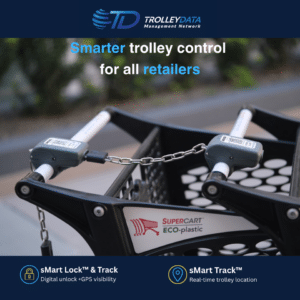
TDMN provides innovative solutions to address the challenges of trolley management. Let’s explore our sMart Track™ and sMart Lock™ systems.
sMart Track™ System Overview
The sMart Track™ system offers each trolley a unique identity and traceability. This feature allows you to monitor and manage your trolley fleet with ease. The system provides accurate location data, ensuring speedy recovery of misplaced trolleys.
TDMN’s technology also integrates seamlessly with existing retail systems, providing a user-friendly experience. The result is reduced downtime and increased operational efficiency. Most systems in the market promise solutions, but sMart Track™ delivers tangible results.
sMart Lock™ Features and Advantages
The sMart Lock™ system eliminates the need for physical coins, offering a digital alternative that enhances customer convenience. This system is designed to be adaptable, ensuring it meets current and future retail needs.
Additionally, sMart Lock™ encourages customers to return trolleys, reducing loss and theft. The system also provides valuable insights into usage patterns, helping retailers optimise their operations. Many retailers worry about transitioning to new systems, but sMart Lock™ is designed for smooth integration and immediate benefits.
In conclusion, proactive control in trolley management leads to improved operational efficiency, reduced costs, and a more sustainable approach to asset management. Transitioning to TDMN’s solutions empowers retailers to operate predictably and confidently, transforming challenges into opportunities.