Turning trolley loss into operational control: data‑led strategies for Australian retailers
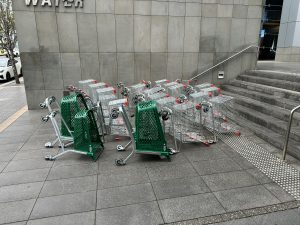
Trolley loss drains millions from Australian retailers every year, yet many still treat it as a recovery challenge rather than a system issue. When you shift focus to asset visibility and data-led control, you gain clarity over loss rates, labour waste, and fleet availability. This post outlines a practical data model and KPI framework to move your supermarket operations from reactive fixes to predictable retail operational efficiency using TDMN’s sMart Track™ and sMart Lock™ platforms. For more information, visit this link.
Reframing Trolley Loss
Retailers often see trolley loss as an unavoidable cost of doing business. But, a shift in perspective can change this. By viewing trolley management as a system issue, rather than a mere recovery task, you can unlock new levels of operational efficiency.
Understanding System Design Challenges
Trolley loss often stems from poor system design. When trolleys are not tracked effectively, it becomes difficult to manage them. This lack of control leads to increased costs and inefficiencies. You need a robust system to track and manage every trolley in your fleet. Without it, you risk running an operation based on assumptions rather than data. Many retailers think they have visibility, but the reality is often far from it.
Asset Visibility and Control
Visibility is the cornerstone of effective asset management. With the right tools, you can monitor each trolley in real-time. This level of control allows you to reduce loss and improve your fleet’s availability. By implementing systems like sMart Track™, you gain real-time insight into your assets’ location and condition. This is not just about preventing loss, but enhancing operational efficiency. Most people overlook how crucial this visibility is, but it truly transforms asset management.
Data Models and KPI Frameworks

Once you have visibility, the next step is to implement data models and KPI frameworks. These tools help you measure performance and make informed decisions. They are essential for any retailer looking to optimise operations.
Key Performance Indicators for Retail
KPIs offer a clear picture of how well your assets are managed. Metrics such as fleet availability and labour cost reduction are crucial. By monitoring these, you can identify inefficiencies and areas for improvement. Retailers often miss out on these insights by not tracking the right data. A solid KPI framework enables you to quantify success and make data-driven decisions that boost efficiency.
Predictable Control with TDMN
With TDMN’s solutions, you gain predictable control over your assets. These tools provide comprehensive data, allowing you to forecast needs and reduce waste. By using sMart Track™ and sMart Lock™, you move from reactive recovery to systematic control. This shift is vital for sustainable operations. Imagine the confidence you’ll have, knowing you can predict and manage your trolley fleet effectively.
From Recovery to Control
Turning trolley management from a reactive task into a proactive strategy is transformative. It not only cuts costs but also improves service delivery and customer satisfaction.
Implementing sMart Track and sMart Lock
The implementation of sMart Track and sMart Lock is straightforward. These tools integrate seamlessly into existing operations, providing immediate benefits. By using these systems, you minimise loss and streamline operations. You’ll find that the transition is smoother than expected, with clear gains in efficiency and control.
Benefits for Australian Retailers and Councils
The benefits extend beyond retailers. Councils also gain from reduced environmental impact and fewer community complaints. When trolleys are properly managed, there are fewer abandoned carts littering streets and waterways. This cooperation between retailers and councils creates a cleaner, more efficient community. By investing in these systems, you’re not just solving a problem, but contributing to a larger solution that benefits everyone involved.
In summary, reframing trolley loss as a visibility and system design issue allows for significant operational improvements. By implementing data-driven strategies and leveraging TDMN’s technology, retailers can transform their approach from reactive recovery to proactive control, ultimately enhancing operational efficiency and sustainability.