Reducing trolley loss in retail: data-driven control for operational efficiency and environmental gains
Trolley loss remains a significant challenge across Australian retail operations, quietly driving up costs and environmental impact. The core issue is not shopper behaviour but a lack of precise mobile asset visibility and control. This post outlines a practical data-driven model that brings predictability to trolley containment, demonstrating real savings in labour, metal waste, and CO2 emissions—making a clear case for investment in smarter retail asset control. For further insights, visit our resource page.
Trolley Loss as a Systems Challenge
Reframing Visibility in Retail Operations
The traditional view of trolley loss as a simple behavioural issue is outdated. Rather, it’s a systems challenge that demands a fresh perspective. By shifting focus to visibility, you can address the core problem of asset management. Understanding where your trolleys are at all times is the first step to reducing losses in retail settings. This is not just about keeping track but about creating a new level of operational clarity. You can learn more about effective asset management here.
Addressing Asset Accountability in Supermarkets
Supermarkets face unique challenges with trolley management. The large volume of trolleys and the constant movement in and out of the store demand a robust system to maintain accountability. Without a clear system, trolleys become lost, leading to increased costs and operational inefficiencies. By implementing a data-driven approach, supermarket chains can achieve full accountability for their trolleys, ensuring they remain within the store’s control. This shift not only reduces loss but also optimises daily operations, making your supermarket more efficient.
Council Compliance and Community Impact
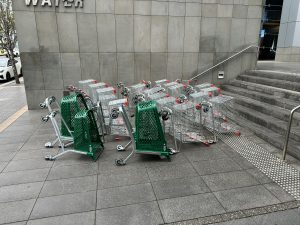
Compliance with local council regulations is another critical aspect of trolley management. Abandoned trolleys can lead to fines and damage community relations. By improving visibility and control over your trolleys, you can maintain compliance and reduce the risk of penalties. This proactive approach enhances your store’s reputation and supports positive community engagement. The longer you wait to address these issues, the more it impacts your relationship with both councils and the community.
Data-Driven Solutions for Control

sMart Track and sMart Lock Technology
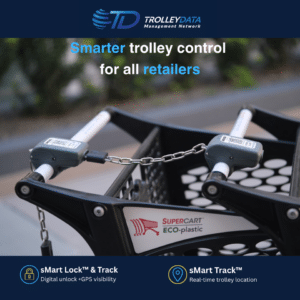
sMart Track and sMart Lock are designed to transform trolley management. These technologies provide each trolley with a unique digital identity, allowing for precise tracking and control. With these tools, you can pinpoint trolley locations in real time and ensure they remain within designated areas. This not only curbs losses but also streamlines the recovery process, saving you time and resources. Discover more about how these technologies work here.
Leveraging Mobile Asset Visibility
Mobile asset visibility is crucial for modern retail operations. By leveraging advanced tracking systems, you can monitor trolley movements across multiple locations. This visibility enables quick response to any deviations, preventing potential loss. For supermarkets, this means fewer replacements and a significant reduction in trolley-related costs. The implementation of these systems can thus lead to notable improvements in operational efficiency.
Structured Asset Monitoring and Reporting
Effective monitoring and reporting are vital components of a data-driven approach. With structured systems in place, you can generate detailed reports on trolley usage and movement patterns. These insights allow you to make informed decisions, optimising your asset management strategies. The ability to predict and respond to trends ensures that your operations remain smooth and efficient. For best practices in managing trolley losses, check out this article.
Operational and Environmental Outcomes
Reducing Metal Waste and CO2 Emissions
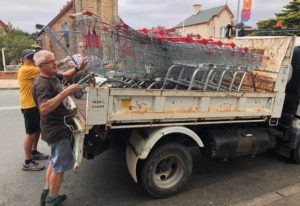
Trolley loss directly contributes to environmental issues such as metal waste and increased CO2 emissions. Every abandoned trolley adds to the waste problem, and retrieval efforts often involve fuel consumption. By implementing effective control systems, you can drastically reduce these environmental impacts. Not only does this benefit the planet, but it also aligns your operations with sustainability goals, enhancing your brand’s appeal and compliance with environmental standards.
Labour Cost Reduction in Supermarkets
Trolley management can be labour-intensive and costly. By adopting a data-driven approach, supermarkets can significantly cut down on the time and workforce needed for trolley retrieval. This reduction in labour costs can then be redirected to other critical areas of your operations, boosting overall productivity. Implementing these systems offers a clear path to cost savings and improved efficiency.
Predictable Operations for Retail Success
Predictability in trolley management translates to smoother operations and better planning. When you know the status and location of all your assets, you can avoid disruptions and maintain a steady flow in your retail environment. This predictability not only enhances operational efficiency but also provides a better shopping experience for customers. Investing in data-driven solutions ensures your retail success is not left to chance but is a planned and controlled outcome. For more on environmental sustainability in retail, explore this study.
By understanding trolley loss as a systems issue and applying data-driven models, you can achieve significant operational and environmental benefits. This approach not only reduces costs but also supports sustainability, making it a worthwhile investment for any retail operation.