Unique trolley identity: the backbone of accountability at scale
Every lost trolley drains time, budget, and compliance clarity across your sites. Unique trolley identity shifts this from a guessing game into a measurable operating metric. With precise tracking, you gain predictable recovery, reduced labour hours, and stronger compliance controls that scale across portfolios. This blog explains why unique trolley identity is the backbone of accountability in retail asset management today. Learn more.
The Role of Unique Trolley Identity

Understanding the importance of unique trolley identity is essential for maintaining control over retail assets. This section explores how it forms the backbone of retail asset accountability.
Foundation of Retail Asset Accountability
Unique trolley identity is more than just a label. It transforms how you manage assets. Each trolley gets a distinct digital identity, allowing you to track it with precision. This shift turns a complex problem into a manageable one. With this system, you get detailed data on each trolley’s location and usage. This makes it easier to allocate resources and address issues quickly. Most people think trolley loss is just a nuisance, but with unique identities, you can treat it as a solvable operational challenge.
Impact on Shopping Trolley Loss
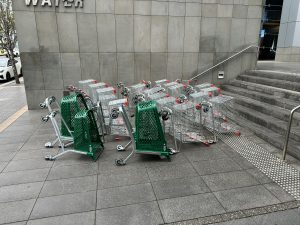
The numbers tell the story: approximately 700,000 trolleys go missing annually in Australia. By assigning a unique identity, you reduce this loss significantly. It allows you to track each trolley’s journey, reducing the chance of it disappearing into the community. You’ll find that quick retrieval is possible, saving you money on replacements. Furthermore, reducing trolley loss helps improve customer satisfaction, as customers find available trolleys more often. This strategy not only cuts costs but also enhances the overall shopping experience.
Operational Benefits of Trolley Tracking
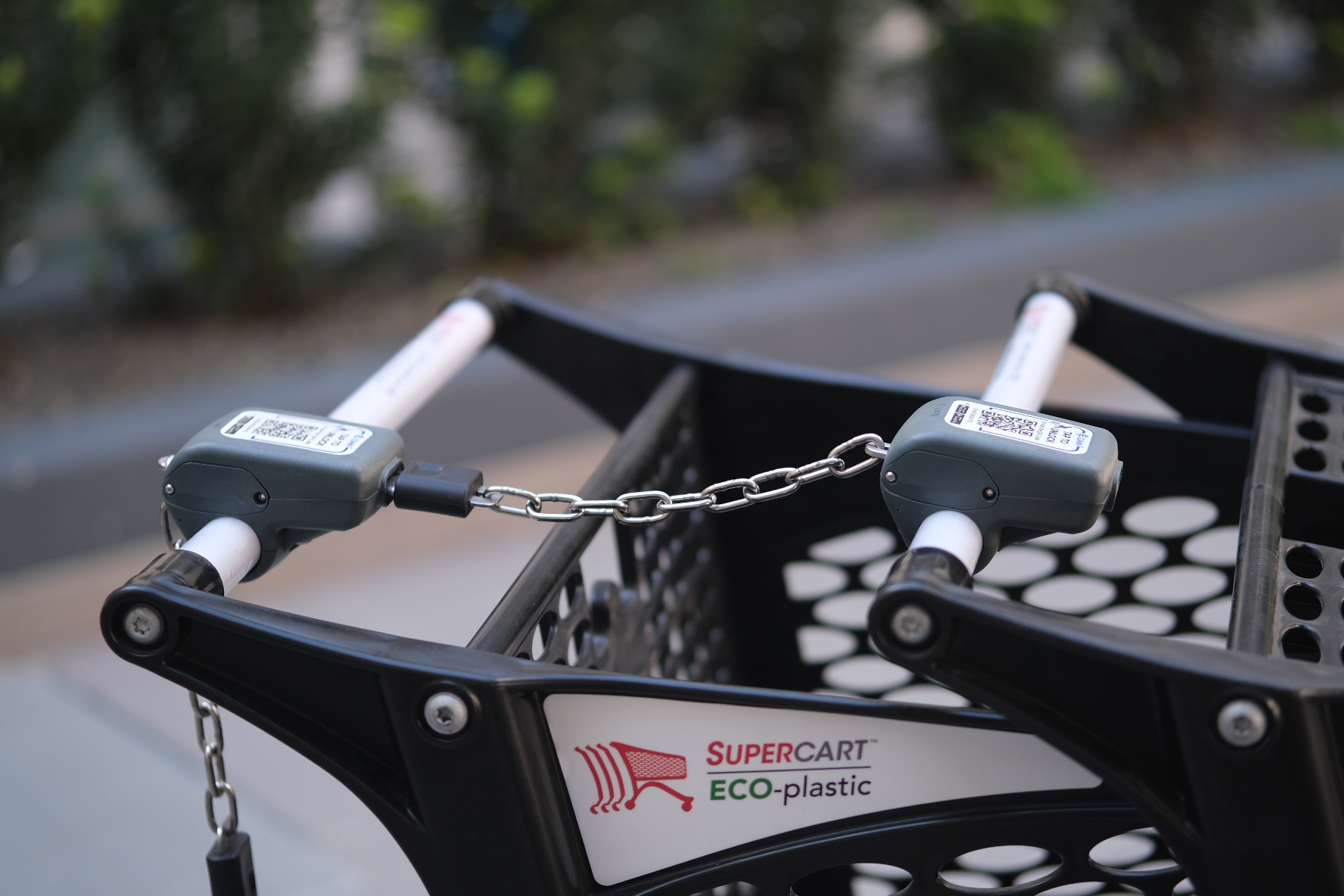
Once you establish unique identities, the next step is to leverage them for operational gains. This section highlights how tracking enhances store operations and benefits the environment.
Enhancing Store Operations Efficiency
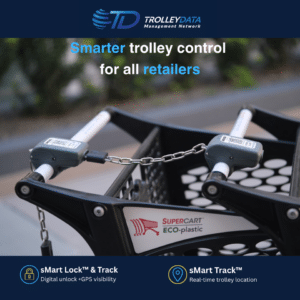
With each trolley tracked, your store operations can run smoother. You’ll quickly notice fewer trolleys left in parking lots or distant locations. This reduces the need for staff to spend time retrieving them, cutting labour hours and costs. By using a system like sMart Track, you streamline processes and ensure trolleys are where they should be. The longer you wait to implement this system, the more inefficiencies pile up. Early adopters have already seen labour hours drop by over 20%.
CO2 and Metal Waste Reduction
Reducing trolley loss also means reducing environmental impact. Each recovered trolley prevents additional manufacturing, saving resources and reducing CO2 emissions. By maintaining your current fleet size, you avoid the need for replacements, cutting down on metal waste. Retailers adopting these practices have reported a marked decrease in their carbon footprint. This is not just an operational win but a step towards corporate responsibility in sustainability.
Compliance and Visibility in Retail Operations
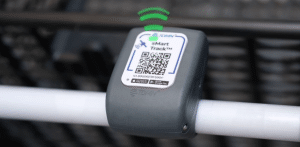
Compliance and visibility go hand in hand when managing retail operations. Here, we dive into how unique trolley identity supports supermarket and council compliance.
Supermarket and Council Compliance
Retailers must meet specific compliance standards, and having a trolley management system helps. By showcasing real-time data, you demonstrate accountability to councils and communities. This visibility directly addresses concerns about abandoned trolleys in public spaces. Compliance becomes straightforward when you can provide evidence of active management. Retailers often underestimate the value of visibility, but it’s crucial for meeting these external standards.
Trolley Management System and Asset-Level Telemetry
Implementing a trolley management system provides detailed insights into your operations. Asset-level telemetry gives you data points that enhance decision-making. You gain insights into trolley usage patterns, helping you predict peaks and allocate resources efficiently. Retailers using telemetry report better inventory control and improved compliance. This proactive approach replaces reactive recovery with a structured, data-driven model, offering predictability across your entire portfolio.
By integrating these systems, you’ll find that the key to operational excellence lies in visibility and control. The insights you gain will not only drive efficiency but also enhance your environmental and social responsibility.
Stay connected with us on Instagram for more insights.