Digital Trolley Access Systems: A Practical Guide for Retail Operators
Trolley loss remains a costly challenge for Australian retailers, draining hours and budgets with little visibility. Your current system likely misses key patterns driving stray trolleys and labour waste. This guide outlines a practical model for digital trolley access that cuts loss, lowers labour demands, and strengthens compliance through clear operational data. Read on to see how sMart Lock and sMart Track shift control from reactive fixes to predictable asset management. For more information, check out this resource.
Understanding Digital Trolley Access Systems
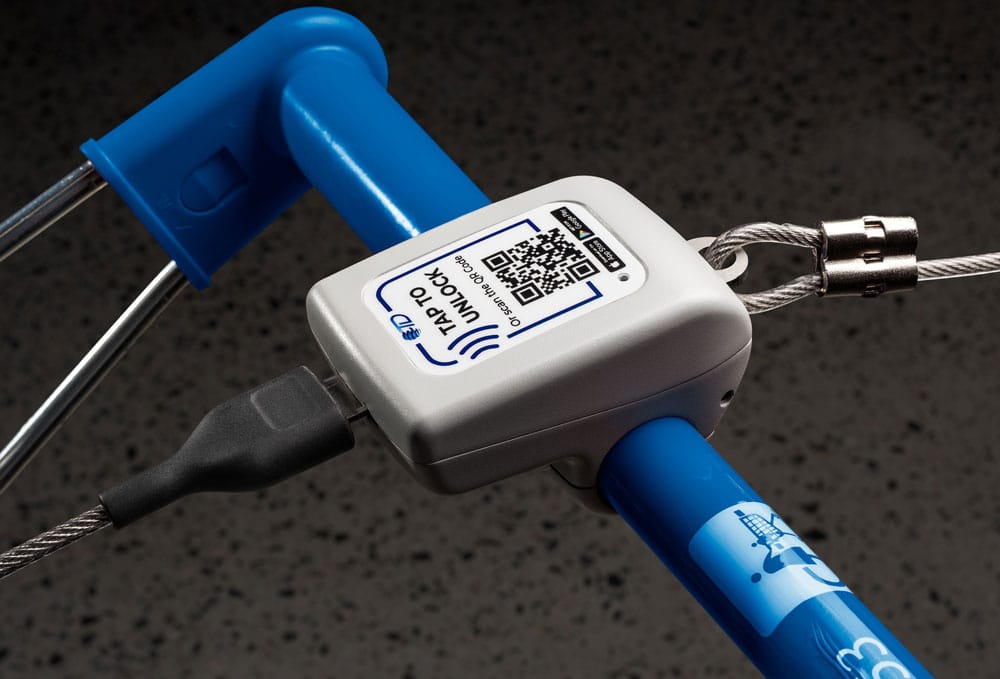
Retail operations face unique challenges, including managing trolleys effectively. Let’s explore how digital access can tackle these issues.
Trolley Loss and Labour Cost Reduction
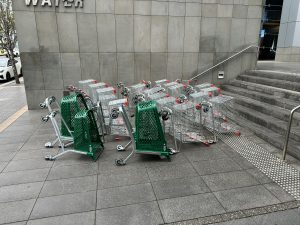
Reducing trolley loss can save significant money. A common estimate suggests businesses lose $174 million annually due to lost trolleys. With digital systems, you can track trolleys in real time. This allows quicker retrieval and lowers the need for extra staff to hunt them down. Imagine cutting replacement costs in half by knowing exactly where your assets are. You spend less on replacements, and your team can focus on more critical tasks. Most people think asset loss is inevitable, but with the right tools, you can minimize it.
Enhancing Compliance and Visibility
Boosting compliance and visibility is crucial in retail. Digital access systems offer detailed insights into trolley locations and usage patterns. This data not only ensures compliance with local regulations but also helps in strategic planning. By understanding when and where losses happen, you can deploy resources more effectively. Improved visibility means fewer surprises and better adherence to council standards. As a result, your operations run smoother, and community relations improve.
Implementing sMart Lock and sMart Track
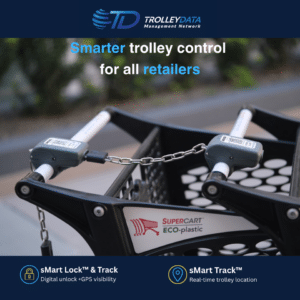
sMart Lock and sMart Track offer practical solutions, shifting control from reactive measures to proactive management.
Digital Access Control and Monitoring
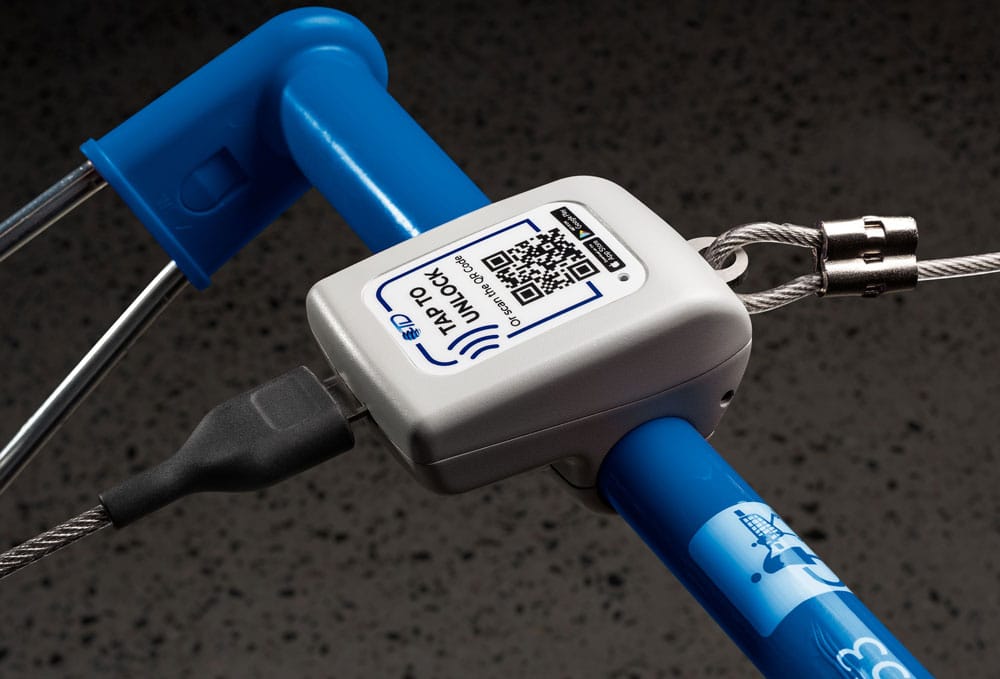
Integrating digital access control like sMart Lock transforms how you secure trolleys. You reduce the need for physical keys or coins, offering customers a seamless experience. With digital monitoring, you receive real-time alerts for any unauthorized movements. This proactive approach means less time spent on damage control and more on enhancing customer service. Security becomes straightforward, and you maintain a higher level of asset protection.
Practical Steps for Retail Asset Control
Taking control of your retail assets requires a strategic approach. Start by assessing your current trolley management system. Identify weaknesses and areas for improvement. Next, implement sMart Track to monitor trolley movements. Train your staff on using these new tools effectively. Regularly review data and adjust strategies as needed. By following these steps, you ensure your assets are well-managed and your operations remain cost-effective.
Measurable Outcomes and Environmental Impact
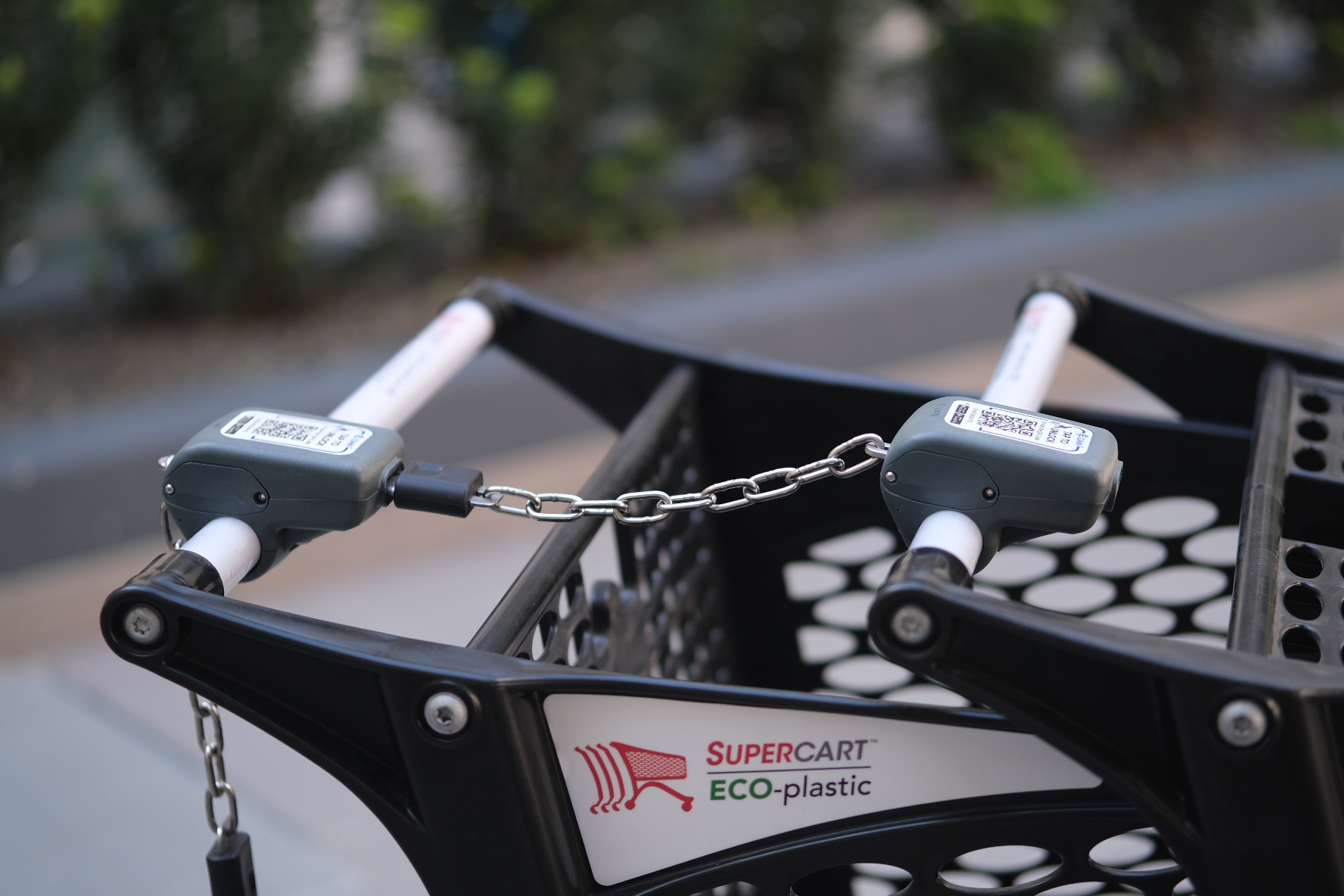
Implementing these systems results in both operational improvements and positive environmental outcomes.
Reducing CO2 and Improving Efficiency
Digital trolley systems contribute to CO2 reduction in retail. By minimizing the need for replacements, you lower your carbon footprint. Efficient tracking means fewer retrieval trips, cutting down on fuel use. This not only benefits the environment but also reduces operational costs. In today’s retail landscape, showcasing a commitment to sustainability can enhance your brand’s reputation and customer loyalty.
Audit Trail and Operational Visibility
An audit trail is essential for operational transparency. Digital systems provide a detailed record of trolley usage, locations, and maintenance activities. This data helps you make informed decisions and optimize operations. Increased visibility means you can spot trends early and address potential issues before they escalate. The longer you wait to implement these systems, the more you miss out on efficiency gains and cost savings.
Learn how retailers are reducing trolley loss and labour costs