How real-time asset visibility cuts trolley loss and stabilises operations
Trolley loss is not just about retrieval—it’s a visibility and control issue that costs your operation time and money. Without real-time asset visibility, managing fleets across multiple sites becomes unpredictable, driving up labour hours and council complaints. This piece outlines how adopting a clear operating model with data-led retail asset control delivers measurable trolley loss reduction and stabilises your network at scale. Learn more here.
Real-Time Asset Visibility Impact
Tackling trolley loss requires more than just recovery efforts. It demands a robust system that offers clear insight into asset locations. With this visibility, you gain control and reduce loss significantly.
Trolley Loss Reduction Strategies
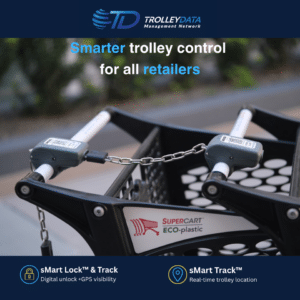
First, you need a system that alerts you when trolleys leave their designated zones. This can cut loss by up to 80%. For example, using sMart Track, retailers see immediate reductions in loss numbers. Consistent monitoring also deters theft, saving you time and money.
Second, real-time tracking helps in efficient retrieval. Most systems allow for quick location updates, meaning less time spent searching for lost assets. This efficiency reduces the need for extra staff, lowering labour costs.
Retail Operations Australia Insights
In Australia, many retailers struggle with trolley loss and its impact on operations. By adopting a data-led approach, these retailers are seeing improved asset control. For instance, integrating tracking systems not only reduces loss but enhances customer satisfaction by ensuring more trolleys are available when needed.
This shift towards technology-driven asset management is setting a new standard for retail operations. It moves the focus from reactive recovery to proactive control, aligning with modern retail needs.
CO2 Emissions Reduction Benefits
Reducing trolley loss has environmental benefits too. The fewer trolleys lost, the fewer replacements needed, which cuts down on CO2 emissions. sMart Track systems also contribute by optimizing retrieval routes, minimizing unnecessary travel and further reducing emissions.
By incorporating these systems, you not only save on costs but also position your business as environmentally responsible. This commitment to sustainability can improve your brand image and appeal to eco-conscious consumers.
Asset Control Systems Explained
Understanding how asset control systems work is key to leveraging their benefits. They offer tools and insights that transform how you manage your assets.
sMart Track and sMart Lock Features
These systems provide unique identifiers for each trolley, allowing for precise tracking. With sMart Lock, there’s no need for coins, simplifying the process for both customers and staff. This tech ensures each trolley’s location is always known, streamlining recovery and reducing loss.
Additionally, these systems are user-friendly. Staff can quickly learn how to operate them, ensuring smooth integration into daily routines. This ease of use is crucial for maintaining efficiency and keeping operational disruptions minimal.
Retail Asset Control Metrics
Metrics play a vital role in assessing the effectiveness of your asset control strategy. Key metrics include reduction in loss rates, retrieval time, and cost savings. By regularly reviewing these figures, you can make informed decisions about asset management.
Implementing a system that provides real-time data ensures you have the insights needed to adapt strategies quickly. This agility is crucial in maintaining control over your assets and ensuring operational consistency.
Property Management Compliance Importance
Compliance with property management standards is crucial. Systems like sMart Lock help you adhere to these standards by providing detailed reports and data. This documentation not only aids in compliance but also provides insights for further improving asset management.
Staying compliant reduces the risk of fines and enhances your reputation as a responsible operator. This can lead to better relationships with councils and community stakeholders, paving the way for smoother operations.
Governance and Operational KPIs
Effective governance and KPIs are essential for maintaining control over trolley management. They ensure that systems are functioning as expected and delivering desired outcomes.
Asset Governance and Control
Robust governance frameworks are vital for ensuring asset control. These frameworks outline roles, responsibilities, and processes for managing trolleys. By establishing clear guidelines, you ensure consistency and accountability across operations.
This structured approach not only enhances control but also provides a basis for ongoing improvement. It ensures that everyone involved understands their role in maintaining asset integrity.
Trolley Recovery Data Utilisation
The data collected through tracking systems is invaluable. It offers insights into recovery patterns, loss hotspots, and operational efficiencies. By analysing this data, you can identify areas for improvement and adjust strategies accordingly.
Utilizing this data effectively leads to more targeted recovery efforts, reducing overall loss and enhancing operational efficiency. This data-driven approach is crucial for maintaining a competitive edge.
Labour Cost Reduction Methods
Reducing labour costs is a key benefit of efficient asset management. By streamlining recovery processes and minimizing loss, you reduce the need for additional staff hours dedicated to trolley retrieval.
Implementing systems like sMart Track enables more efficient use of resources, allowing staff to focus on other critical tasks. This optimisation of labour not only saves costs but also improves overall productivity, contributing to a more effective operation.
For further insights and resources on managing retail assets effectively, visit here.