From loss to control: how retailers use data to cut trolley loss and recovery costs
Trolley loss still drains millions from retail operations across Australia every year. Your current recovery methods may be costing more than you realise—in labour, replacement, and compliance penalties. This blog outlines how data-led decision-making, through tools like real-time trolley tracking, shifts control back to you with clear visibility and measurable results. Learn more about data-driven trolley control and lifting efficiency.
Data-Driven Trolley Management
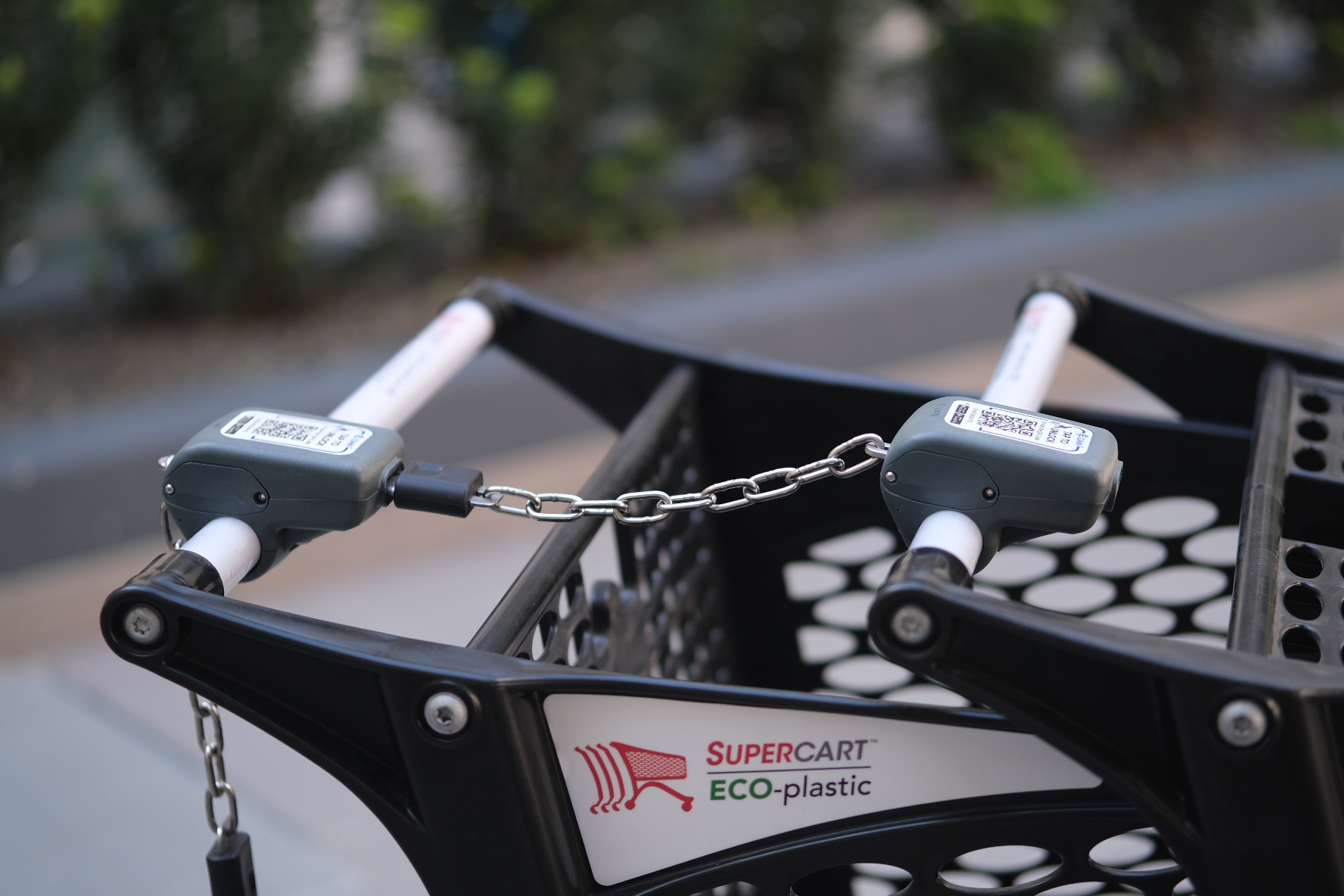
Retailers across Australia are rethinking how to manage trolley loss. Let’s explore how data-driven solutions provide a clearer path to control.
Reducing Trolley Loss with sMart Track
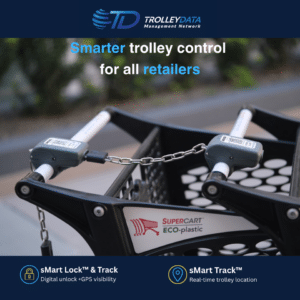
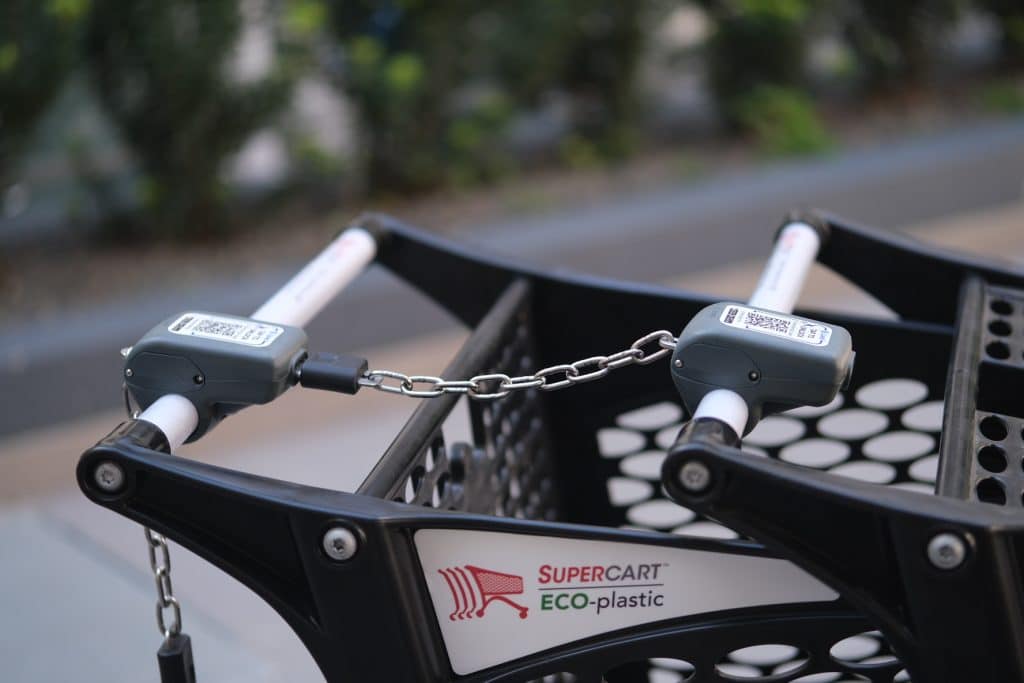
The sMart Track system revolutionises how you manage your trolleys. Imagine knowing where each trolley is at any time. This isn’t just about seeing trolleys on a screen—it’s about cutting losses. With real-time tracking, every trolley is accounted for, reducing the risk of loss by up to 40%. You can deploy staff strategically, focusing on retrieval rather than searching blindly.
Consider the cost savings. Labour hours spent on fruitless searches can now be redirected. Moreover, compliance costs drop when councils see fewer abandoned trolleys in their jurisdictions. This system also enhances your accountability, showing that your business prioritises asset management.
Enhancing Accountability through sMart Lock
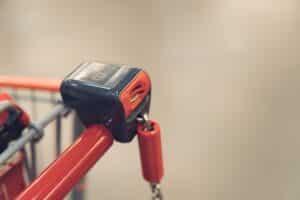
The sMart Lock system adds another layer of control. By replacing coins with a digital system, accountability is clear. Users register their details, ensuring that each trolley is traceable. This system encourages returns through a simple digital deposit model, reducing abandonment in public areas.
Retailers often overlook how small changes in accountability can lead to big savings. By using sMart Lock, you not only reduce loss but also improve customer satisfaction. Shoppers appreciate the ease and security of a digital system. As more businesses adopt this approach, the industry as a whole benefits from improved public perception.
Explore how data-driven systems like sMart Track enhance retail operations.
Financial Benefits of Asset Control

Now, let’s see how controlling your assets financially benefits your operations.
Lowering Trolley Recovery Costs
Trolley loss isn’t just an operational headache; it’s a financial one too. Recovery costs can be staggering if left unchecked. With data-driven systems, you gain precise insights, allowing you to cut these costs significantly. By addressing the problem at the source, you save money that would otherwise go to endless recovery efforts.
Most people assume losses are simply part of the business, but that’s not the case. With real-time tracking, retrieval becomes faster and more efficient. This reduces the need for extensive recovery teams and lowers associated expenses. Implementing such a system is a proactive move that pays off with tangible savings.
Decreasing Replacement CAPEX
One of the hidden costs of trolley loss is the capital expenditure needed for replacements. Every year, retailers spend considerable sums on replacing lost or stolen trolleys. But what if you could reduce this expense by a substantial margin? Data-led management makes it possible.
By maintaining better control over assets, the frequency of replacements drops. This isn’t just about saving money—it’s about reallocating resources to areas that drive growth. Less money spent on replacements means more funds available for customer-focused initiatives. In the long run, this boosts both profitability and customer satisfaction.
Watch how real-time asset visibility cuts trolley loss and saves retailers thousands.
Operational and Environmental Impacts
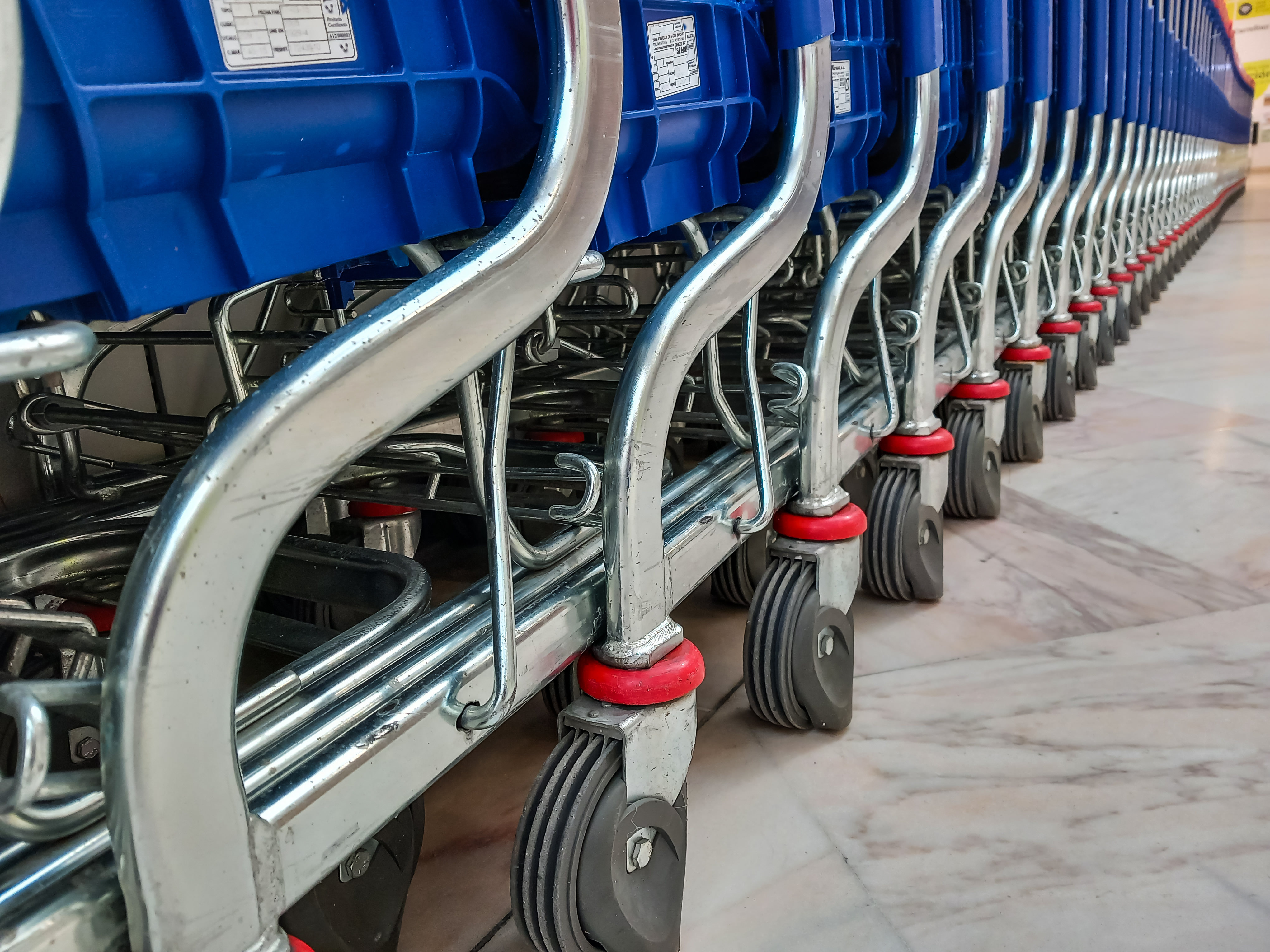
Beyond financial gains, let’s delve into operational improvements and positive environmental effects.
Improving Council Compliance
Council compliance is often a challenge for retailers. Abandoned trolleys can lead to hefty fines. With data-driven solutions, you can transform compliance from a reactive headache into a manageable task. Real-time tracking ensures fewer trolleys are left in public spaces, aligning with council regulations.
This proactive stance not only avoids fines but also fosters better relationships with local authorities. It demonstrates your commitment to community standards, reducing friction and promoting goodwill. The longer you wait to adopt these solutions, the more you risk falling behind competitors who already enjoy these benefits.
CO2 Reduction through Asset Visibility
Environmental responsibility is crucial in today’s retail landscape. Reducing trolley abandonment has a direct impact on lowering CO2 emissions. When trolleys are left to rust in public spaces, they contribute to environmental degradation. By ensuring each trolley’s return, you cut down on replacements and the resources needed to produce new ones.
This isn’t just about compliance; it’s about sustainability. By adopting smarter management systems, you’re contributing to a healthier planet. Customers notice these efforts, and they value businesses that prioritise environmental stewardship. Discover more insights on shopping trolley management and its impact on CO2 reduction.
In summary, by embracing data-driven trolley management, you not only cut costs and boost operational efficiency but also enhance your environmental impact. These systems offer a comprehensive approach to managing trolleys, ensuring your business remains ahead of the curve.