The End of Coin-Operated Trolleys:
90% of shoppers don’t carry coins anymore.
Yet supermarkets are still deploying trolley systems built for a different era.
Coin-operated trolleys solved a problem in 2001.
In 2026, they’re creating friction.The Limitations of Coin-Operated Trolleys.
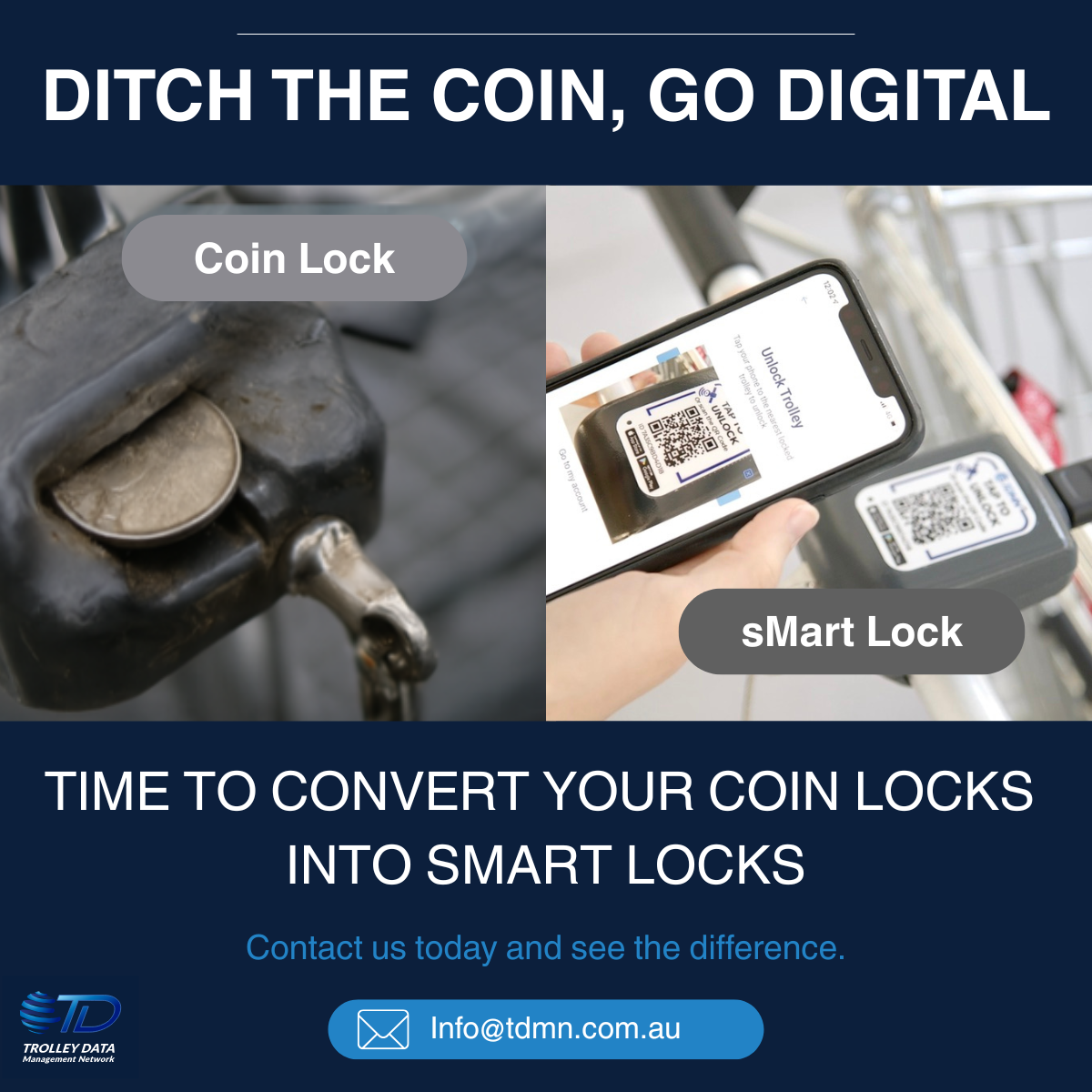
It’s Not Etiquette. It’s Friction
Recent coverage has framed trolley use as a social issue — who gives the $2 coin, who keeps the trolley.
That’s not the problem.
The problem is the system.
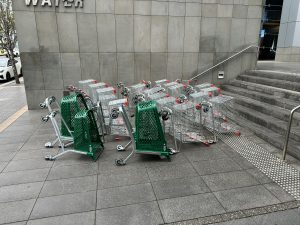
• No coin = no trolley
• Awkward customer interactions
• No accountability
• No data, no visibility, no control
This is friction at the very start of the shopping journey.
Customer Behaviour Has Changed
Customers expect:
Scan. Unlock. Go.
They don’t expect:
-
To carry coins
-
To find tokens
-
To ask staff
Retail has evolved. Trolley systems haven’t.
What the Future Looks Like
The shift is already happening:
-
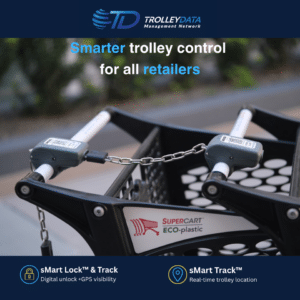
Digital, coinless access
-
Real-time tracking
-
Data-driven operations
-
Behaviour-based return systems
Remove friction → improve everything.
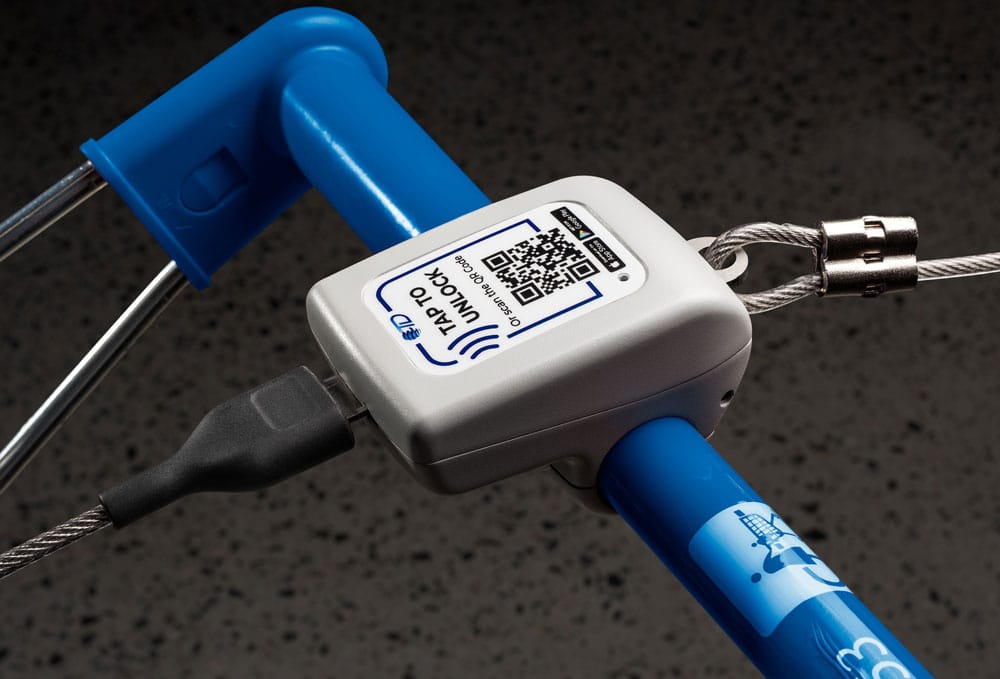
The move to digital solutions offers new opportunities. It addresses the visibility and systemic issues of coin-operated systems, paving the way for more efficient management.
The Hidden Cost
Coin systems don’t just frustrate customers — they cost retailers:
-
Lost and abandoned trolleys
-
Labour-heavy collection
-
No tracking or recovery visibility
-
Ongoing community complaints
You’re managing assets without data.

With digital systems in place, the benefits are clear. The shift from coin-operated to data-led control leads to measurable improvements across several areas.
Conclusion
Coin-operated systems weren’t wrong.
They’re just outdated.
The question isn’t whether they’ll disappear.
It’s how long retailers wait before replacing them.
Still relying on coins?
Let’s show you what a frictionless system looks like.
→ Book a demo