Reducing retail trolley loss: how data‑driven asset control transforms operations
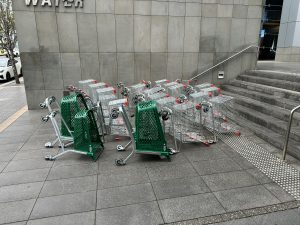
Trolley loss isn’t just about missing carts—it stems from gaps in visibility and control. Without clear data on where trolleys go, labour costs rise and compliance risks grow. Using data-driven asset control, you can cut losses, reduce retrieval hours, and meet council requirements with predictable results. This approach reshapes retail asset visibility to deliver measurable environmental and operational benefits at scale. Learn more.
The Power of Data‑Driven Asset Control

When it comes to controlling retail operations, having a clear view of assets is crucial. Let’s explore how data-led strategies are reshaping how retailers manage their tools.
Revolutionising Retail Operations
Data-driven asset control is not just a trend; it’s a necessity. By incorporating systems that track real-time data, retailers can pinpoint exactly where their resources are at any moment. This reduces unexpected losses and streamlines operations.
Imagine knowing where each trolley is, even in a busy shopping centre. This level of insight allows for better planning and fewer disruptions. Retailers can now focus on enhancing operations rather than constantly resolving issues. Discover how it works.
Enhancing Retail Asset Visibility
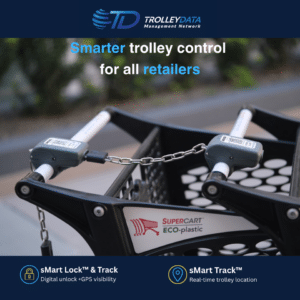
Visibility isn’t just about seeing; it’s about knowing. With tools like sMart Track, each trolley gains a unique identifier, making it traceable and accountable. This turns a chaotic asset environment into a manageable one.
Think about the benefits: fewer lost trolleys, reduced replacement costs, and a more organised inventory. These changes lead to a more efficient operation, where you spend less time searching and more time serving customers. Explore the possibilities.
Real‑Time Monitoring Benefits
Real-time monitoring is a game changer. Having up-to-the-minute data means you’re never in the dark about your assets. This constant visibility is essential for proactive management.
With tools providing live updates, you can quickly respond to any issues. This means fewer disruptions and a smoother operation overall. The ability to act promptly can significantly reduce downtime and improve overall service quality.
Practical Steps to Trolley Loss Reduction

Now that we understand the power of data, let’s delve into practical applications. Here are steps you can take to cut down trolley loss and improve your operations.
Implementing sMart Track and sMart Lock
Start by implementing systems like sMart Track and sMart Lock. These technologies provide trackability and security, reducing the chance of loss.
-
Install Tracking Systems: Equip your trolleys with devices that offer real-time location data. This allows you to monitor movements and ensure nothing goes astray.
-
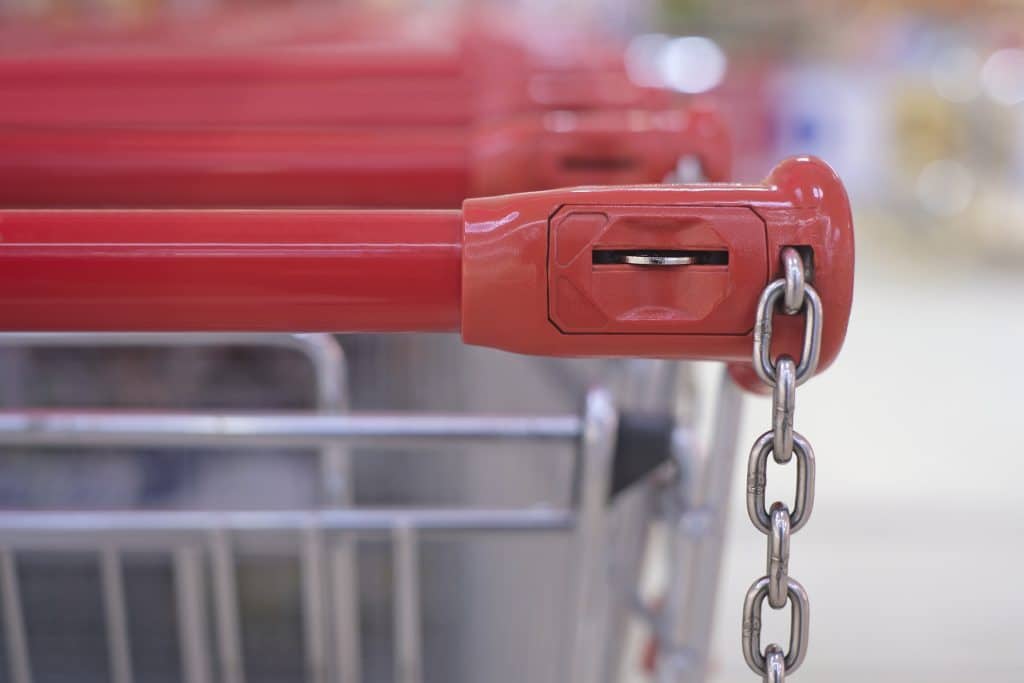
Utilise Digital Locks: Replace traditional coins with digital access, simplifying the process and reducing the risk of theft.
By taking these steps, you enhance security and streamline operations, making loss less likely and recovery more straightforward.
Achieving Retail Compliance Reporting
Compliance is crucial in retail. By using data-driven systems, you can automate reporting, ensuring you meet all necessary regulations without extra effort.
Automated systems collect and organise data, making it easy to generate reports. This efficiency saves time and ensures accuracy, providing peace of mind that you’re meeting all requirements. Find out how automated reporting can help.
Strengthening Council Compliance
Working with councils requires meeting specific standards. Data-driven systems help by providing detailed reports that demonstrate compliance.
These reports show that you’re managing assets responsibly, reducing potential fines or issues with local authorities. This builds trust and a positive relationship with the community, benefiting everyone involved.
Environmental and Labour Impact
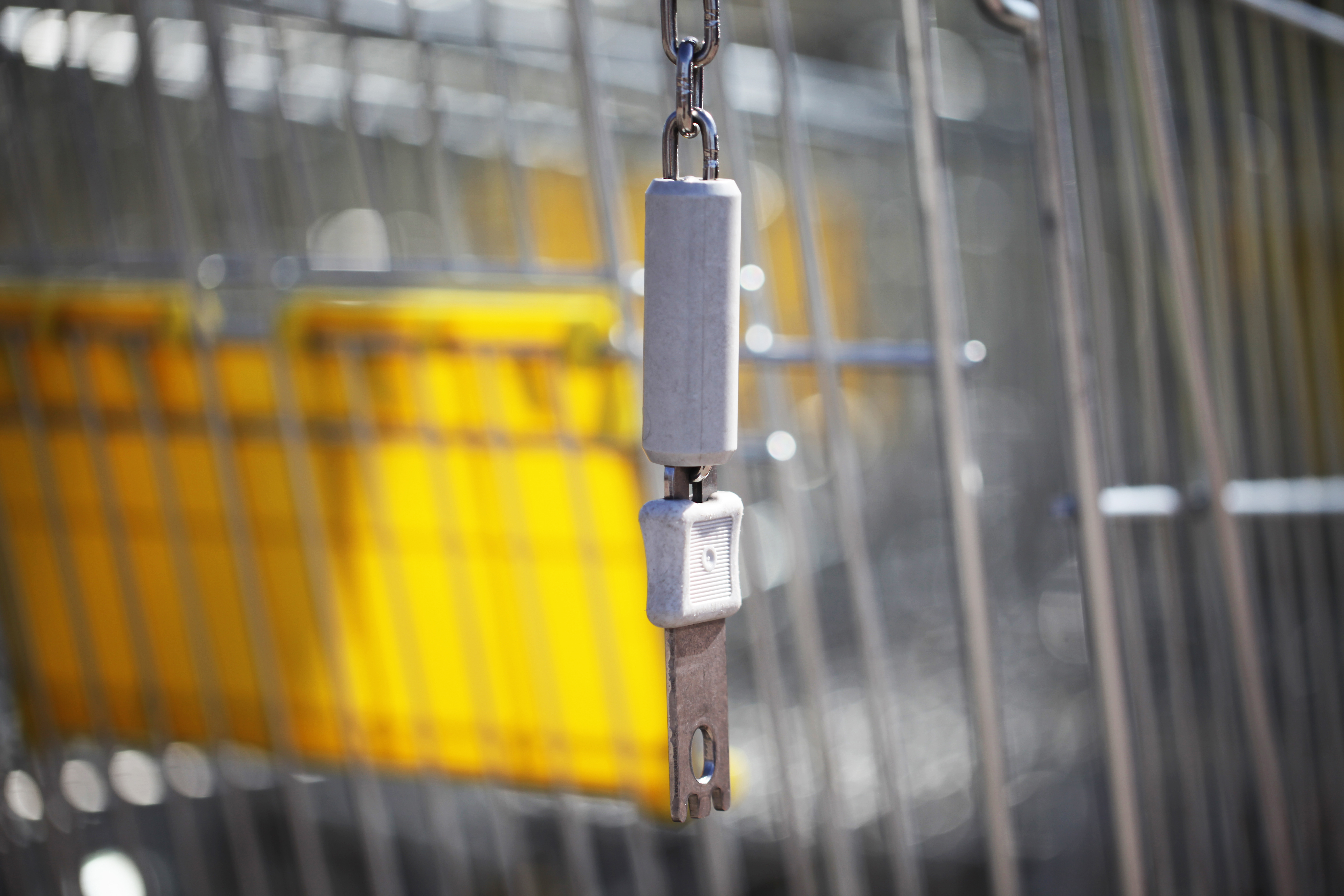
Beyond operational benefits, these systems have significant environmental and labour impacts. Let’s explore how you can make a difference.
CO2 Emissions Reduction Strategies
Reducing trolley loss also means less environmental waste. With fewer trolleys needing replacement, you reduce the demand for new metal production, cutting CO2 emissions.
Simple steps like tracking and securing trolleys contribute to a larger environmental strategy. Every saved trolley means less waste and a smaller carbon footprint.
Labour Cost Reduction Insights
Labour is a significant cost in retail, and reducing unnecessary tasks can save money. With asset tracking, staff spend less time searching for lost items and more time on productive tasks.
This efficiency translates to financial savings and better use of human resources. Staff can focus on enhancing customer service rather than managing logistical issues.
Benefits of Lost Trolley Retrieval
Recovering lost trolleys quickly reduces replacement costs and prevents environmental damage. This efficient retrieval process is a crucial aspect of operational success.
With the right systems, lost trolleys are quickly located and returned, minimising disruption and maintaining fleet size. This balance between loss prevention and recovery ensures a smoothly running operation.
In summary, data-driven asset control transforms operations by reducing loss, cutting labour hours, and improving compliance. It’s a powerful model that offers measurable benefits across the board.