The $270M Trolley Problem: Coin Locks in a Cashless Market and the Shift to Real-Time Control
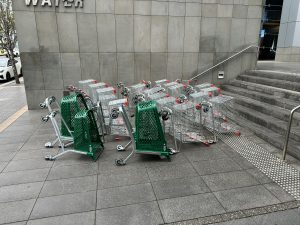
Abandoned shopping trolleys cost Australian retailers $270 million each year in replacement, labour, and recovery. Coin-operated systems are losing ground as cashless payments become the norm, leaving stores stuck in reactive trolley collection with mounting costs. Switching to a digital trolley system with real-time tracking offers a clear path to reduce trolley loss, lower labour expenses, and regain control over your fleet without disrupting customers. This post breaks down the true cost of unmanaged trolleys and why visibility is the missing piece in retail asset control today. For more insights into managing trolley losses, visit this resource.
The Cashless Coin Lock Failure
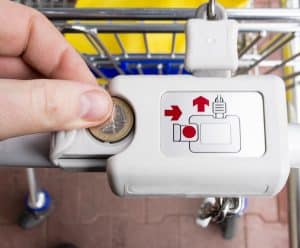
The shift to cashless transactions has left traditional coin locks ineffective. As cash carries less relevance in modern retail, a new strategy is essential for managing trolley fleets efficiently.
Why Coin Locks Underperform
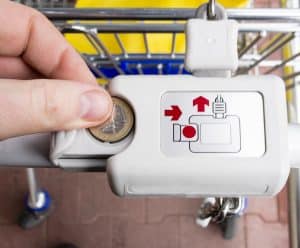
Coin locks are becoming obsolete in the face of cashless payments. These systems rely on physical coins to operate, but 90% of transactions in retail are now cashless. This has left retailers with a system that no longer meets current needs. When customers find themselves without a coin, they either abandon their shopping or leave trolleys unsecured, leading to losses.
Retailers often face increased costs due to trolley loss and ineffective asset management. Coin locks no longer prevent theft or abandonment effectively, forcing retailers to implement costly recovery methods. The outdated system demands constant monitoring and maintenance, further straining financial resources and labour.
Most people think that coin locks are a simple solution, but they fail to consider the evolving retail environment. With cashless systems becoming the norm, it’s crucial for retailers to rethink their strategy. This transformation is not just about keeping up with trends; it’s also about ensuring operational efficiency and reducing unnecessary expenses.
Shifting to Digital Trolley Systems
Digital trolley systems are redefining retail asset control. These systems integrate cashless solutions with real-time tracking, offering a seamless transition from outdated coin locks. They provide a clear pathway to reduce trolley loss and streamline operations.
Implementing a digital trolley system involves equipping trolleys with tracking devices that allow for real-time monitoring. This technology enables retailers to see exactly where their trolleys are at all times, reducing the likelihood of loss or theft. By transitioning to a digital system, retailers can save on labour costs as staff are no longer needed for constant trolley retrieval.
A practical example includes the use of smartphone apps or digital tokens to unlock trolleys. This eliminates the need for physical coins, removing a significant barrier to use. Customers enjoy a more convenient shopping experience, and retailers benefit from enhanced control over their assets.
Real-time Trolley Tracking Benefits

The adoption of real-time tracking systems offers tangible advantages. This approach not only addresses existing inefficiencies but also introduces a new level of asset management that is both cost-effective and operationally sound.
Reducing Trolley Loss and Labour Costs
Real-time tracking significantly reduces trolley loss, a common issue costing retailers millions annually. By using GPS-enabled devices, retailers can monitor each trolley’s location, preventing loss and reducing theft risks. This technology directly addresses the problem of abandoned shopping trolleys by ensuring every trolley is accounted for.
Additionally, real-time tracking cuts labour costs. Staff no longer need to manually search for and retrieve trolleys, freeing them to focus on customer service and store operations. This efficiency leads to reduced operational costs and improved service delivery, enhancing the shopping experience for customers.
With less reliance on manual retrieval, retailers can also streamline their workforce, allocate resources more effectively, and reduce redundancy in operations. This shift not only saves money but also boosts efficiency, making retail operations smoother and more cost-effective.
Enhancing Asset Visibility in Retail
Asset visibility is crucial in modern retail, and real-time tracking provides this advantage. With enhanced visibility, retailers gain a comprehensive view of their trolley fleet, leading to better decision-making and strategic planning.
By knowing the exact location and status of each trolley, retailers can optimise their operations, ensuring that resources are used where they are most needed. This level of control allows for proactive management rather than reactive responses, ensuring that potential issues are addressed before they escalate.
Retailers can also gather valuable data insights, allowing for informed decisions about asset management and deployment. This data-driven approach helps in identifying patterns, predicting future needs, and implementing strategies that align with operational goals. For a deeper understanding of the cashless future and its implications, check out this article.
From Reactive to Controlled Management
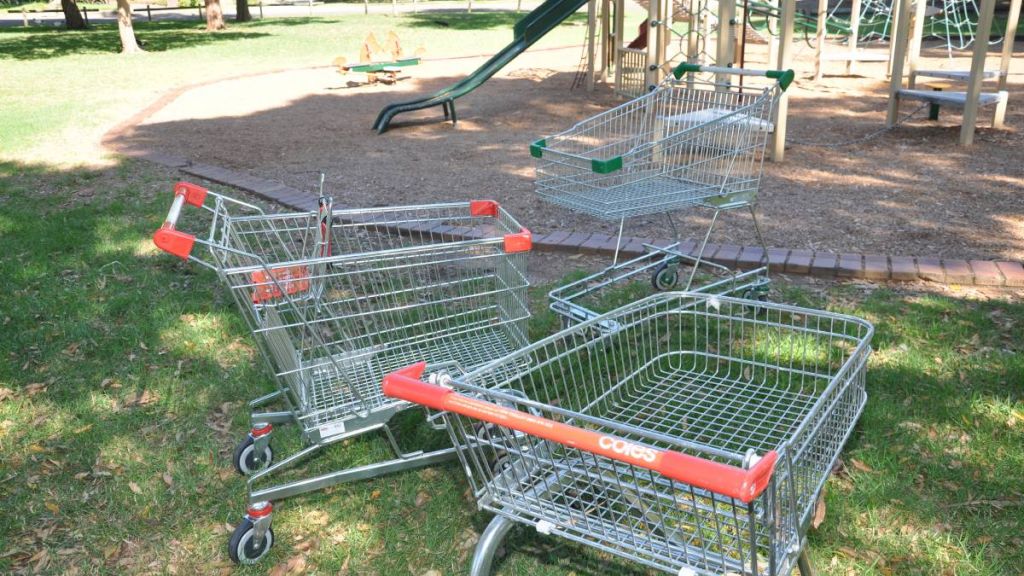
The transition from reactive to controlled management represents a paradigm shift in trolley operations. This approach empowers retailers with tools and insights to manage their assets effectively and sustainably.
Trolley Recovery Costs and Council Compliance
Unmanaged trolleys pose a significant challenge, not just in terms of cost but also in compliance with local regulations. Many councils impose fines for abandoned trolleys, adding to the financial burden on retailers. These costs can be substantial, with fines reaching into thousands for non-compliance.
Real-time tracking systems help mitigate these costs by ensuring that trolleys are not left unmanaged. Retailers can proactively address issues, preventing fines and maintaining compliance with council regulations. This not only saves money but also enhances a retailer’s reputation within the community.
Community pressure is mounting on retailers to address the environmental impact of lost trolleys. By adopting controlled management systems, retailers can align with community expectations and demonstrate their commitment to responsible business practices. This approach not only reduces financial liabilities but also builds goodwill and trust within the community.
Leveraging sMart Track and sMart Lock Systems
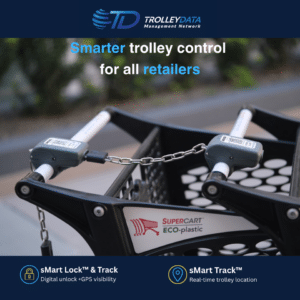
sMart Track and sMart Lock systems provide comprehensive solutions for modern trolley management. These systems integrate real-time tracking with digital locking mechanisms, creating a robust platform for managing mobile retail assets.
The sMart Track system assigns a unique identity to each trolley, ensuring precise tracking and monitoring. This allows retailers to manage their fleets effectively, reduce losses, and enhance operational efficiency. The integration of sMart Lock further simplifies the process by eliminating the need for physical coins, streamlining customer interaction, and reducing barriers to use.
By implementing these systems, retailers can move from a reactive to a proactive approach, transforming their operations and reducing costs. This shift not only improves efficiency but also aligns with broader goals of sustainability and community responsibility. Embrace the future of retail asset control with these innovative solutions. For more on the cashless future, explore this resource.
In conclusion, the shift to digital trolley management systems offers clear benefits. By moving away from outdated coin locks, retailers can reduce costs, enhance customer experiences, and meet modern operational demands. This transformation is not just about technology; it’s about creating a sustainable, efficient future for retail.